
ERI SEE and ETF Hold Coordination Meeting on Future Regional Cooperation and Education Policies
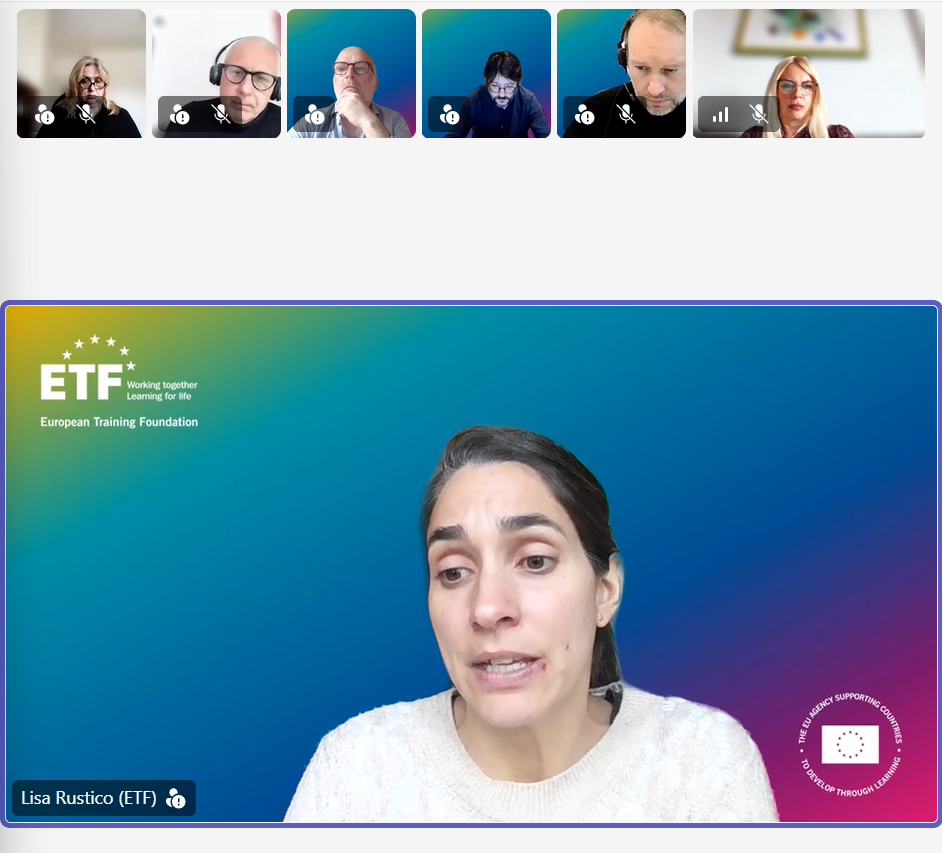
As part of the implementation of ERI SEE’s 2026 Work Programme and its strategic orientation towards strengthening cooperation with international partners, a coordination meeting between the Education Reform Initiative of South Eastern Europe (ERI SEE) and representatives of the European Training Foundation (ETF) was held on 11 May 2026. The meeting was organised in the context of ongoing efforts to strengthen cooperation between ERI SEE and ETF in areas of common strategic interest, particularly in the fields of VET, digitalisation, teacher training, lifelong learning, regional cooperation and EU Accession efforts. The meeting was coordinated by Mr Gordon Purvis, Human Capital Development Expert and ETF Country Liaison for Serbia, who is also a member of the ERI SEE Consultative Body.
The ETF colleagues included Mr Filippo Del Ninno, Human Capital Development Expert and Country Liaison for Moldova, Ms Lisa Rustico, Human Capital Development Expert, Mr Alessandro Brolpito, Senior Human Capital Development Expert for Digital Skills and Learning, and Dr Olena Bekh, Senior Human Capital Development Expert and Team Leader for Innovative Teaching and Learning. Mr Wouter Van Damme Human Capital Development Expert also joined.
Mr Del Ninno presented ETF activities related to online job vacancies, labour-market intelligence, ESCO (European Skills, Competences, Qualifications and Occupations), skills anticipation and matching skills to labour-market needs. Discussions focused on labour-market forecasting, changing employment patterns and new forms of work in the digital era, including platform work and algorithmically managed work. Special focus was placed on the importance of aligning education and employment policies, strengthening skills intelligence systems and supporting upskilling and adult learning policies in response to changing labour-market demands. Cooperation with organisations, such as the sister EU agency to ETF CEDEFOP, and also UNESCO, as well as developments related to labour-market data analysis and skills forecasting, were also discussed.
Ms Rustico presented ETF recent work in the field of adult learning (formal and non-formal) as an essential component of lifelong learning. ETF has carried out a mapping of adult learning legal and institutional arrangements in some of the countries covered by ERI SEE. Based on this work, ETF is finalising a cross-country analysis, structured around an analytical framework covering: 1) the legal and strategic framework, 2) governance arrangements and financing mechanisms, 3) provision of adult learning services, from outreach to career guidance, from training provision to validation of non-formal and informal learning, and quality assurance.
The discussion explored challenges related to participation in adult learning, which remains below EU targets in all countries, as well as the impact of demographic changes, labour shortages, digitalisation and the green transition, all of which increase the urgency of upskilling and reskilling policies, not only for labour market purposes but also for personal development. Alignment of legal frameworks with strategic planning and EU targets, stronger institutional coordination, sustainable financing mechanisms and quality assurance in (especially non-formal) adult learning, and validation of non-formal and informal learning, are among the main areas where work is further needed to build functioning and sustainable adult learning systems.
ETF representatives also presented plans for further analytical and policy work in this area during 2026 and beyond, including future cross-country analyses and cooperation opportunities with ERI SEE.
The ETF factsheets on adult learning in EU candidate countries and potential candidate are available at: Publications | ETF
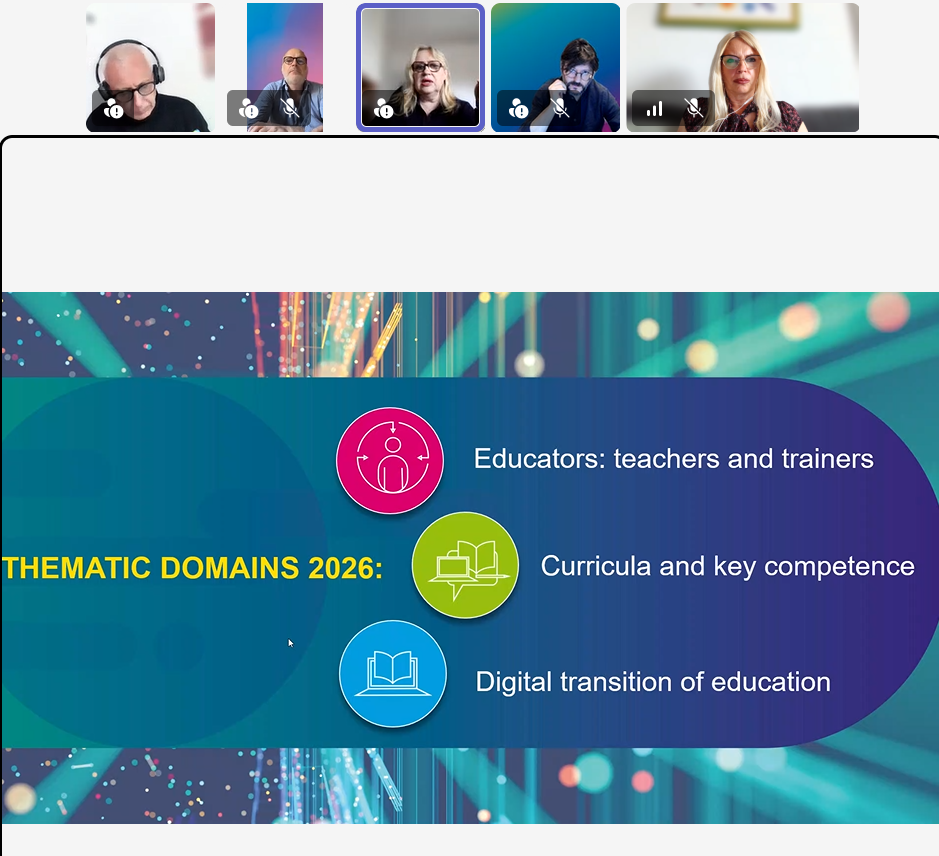
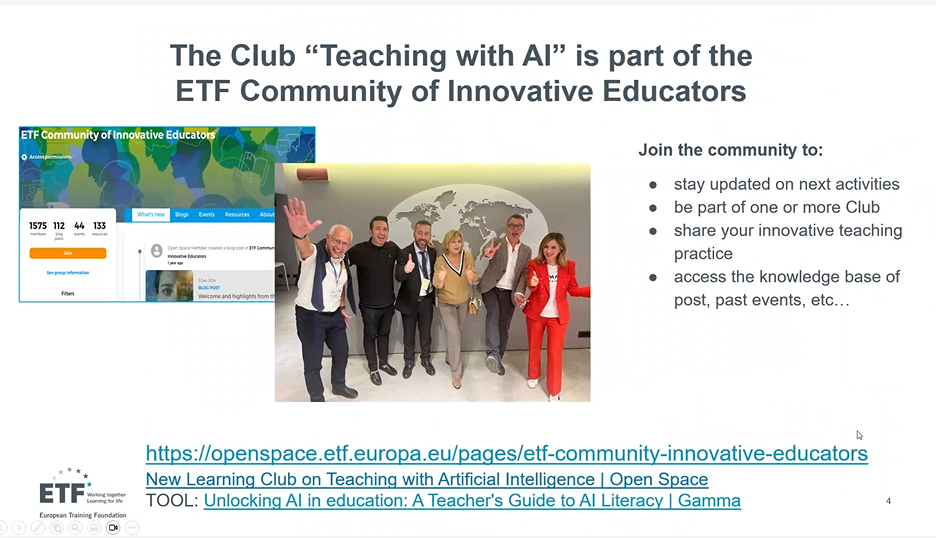
Dr Bekh presented ETF’s work supporting innovation in teaching and learning, including support to teacher professional development, practical tools for educators in the areas of key competences and formative assessment designed by the ETF and applied in the partner countries and beyond. Her presentation focused on ETF thematic priorities for 2026, including digital transition of education, curricula and key competences, and support for teachers and trainers.
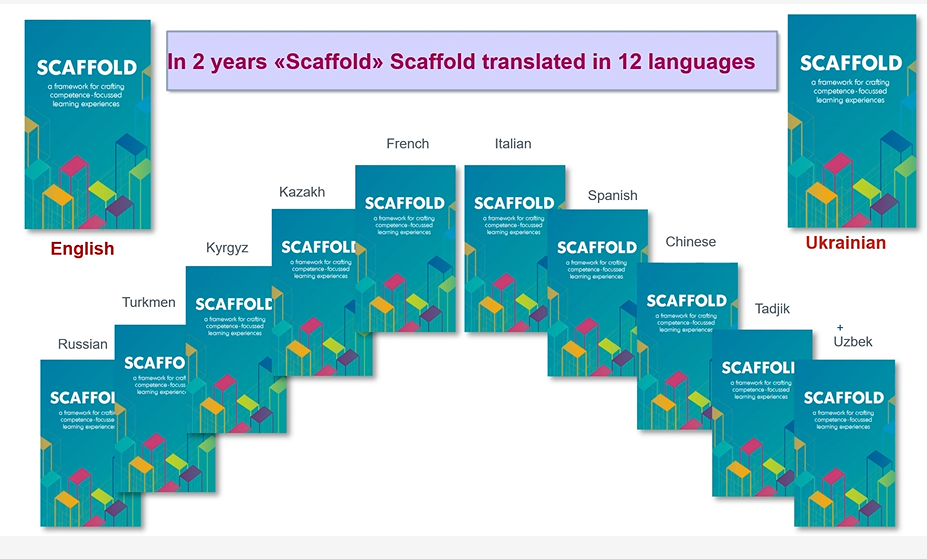
The presentation highlighted the “Scaffold” card deck for instructional design, the READY model for 21st Century educators, the ETF Community of Innovative Educators, “Teacher Booster” initiatives, micro-credentials for teacher professional development and the “FormA” Formative Assessment Toolkit, which includes methodologies and practical tools supporting learner-centred teaching, formative assessment and integration of transversal and key competences into teaching and learning processes. ETF micro-credential courses available through the EU Academy platform and initiatives supporting communities of innovative educators and teaching with artificial intelligence were also presented.
Mr Brolpito presented ETF activities related to digital transformation in education, including the DERF 2.0, digital competence support and strategic approaches to digital education reforms. Focus was placed on SELFIE and SELFIE for Teachers tools, communities of practice, digital competence development of teachers and evidence-based approaches to digital transformation in education systems.
Discussions additionally addressed artificial intelligence and innovation as key priorities for future development and investment in education systems. Mr Brolpito also presented ETF’s AI digital mapping initiative analysing AI-related policies and practices in ETF partner countries, with the aim of creating a shared knowledge base to support EU policy advice, targeted support and peer-learning activities. Opportunities for future regional cooperation in the field of digitalisation and teacher professional development were also discussed.
The upcoming ETF event in Brussels “Connecting the Dots” 27-29 May which aims to strengthen the connection between policy and practice and encourage reflection on the implementation of European key competence frameworks in curriculum design and learning experiences, was presented as a potential area for future cooperation and exchange. Participants additionally discussed the upcoming dissemination webinar “Study on the Digital Competence of Teachers in Montenegro”, scheduled for 3 June 2026.
The meeting also addressed topics related to quality assurance, Centres of Vocational Excellence (CoVEs), digital competences, artificial intelligence and broader European policy developments linked to the EU Growth Plan, Reform Agenda and enlargement-related priorities. Both ETF and ERI SEE highlighted their continued support to regional cooperation, EU-led processes and education reforms through joint projects, peer learning, policy dialogue and institutional cooperation across the region.
As outlined in the ERI SEE 2026 Work Programme, cooperation with international partners remains one of the organisation’s strategic priorities, with ERI SEE continuing to strengthen collaboration with institutions and organisations relevant for education and training reforms in the region.
The meeting concluded with agreement on several concrete follow-up activities and continued coordination between ETF and ERI SEE in the coming period. This includes participation in the upcoming online webinar “Study on the Digital Competence of Teachers in Montenegro” on 3 June 2026, exchange of information and materials related to the Brussels “Connecting the Dots” event, and further exploration of synergies and cooperation opportunities in the region together with the European Commission, EU Member States, notably Austria within ERI SEE, the Regional Cooperation Council and other international partners.
The participants also agreed to continue discussions and coordination in late June, while Mr Purvis noted a planned mission to Belgrade in June, during which an informal follow up meeting with ERI SEE should take place. Both sides expressed strong interest in further strengthening cooperation and developing joint regional activities and policy support initiatives in the areas of digitalisation, lifelong learning, teacher training, quality assurance and skills development.
