







































SEE VET Net Meeting 2026: Strengthening Regional Cooperation and Shaping Future Priorities in Vocational Education and Training,15–16 October 2026, Belgrade, Serbia
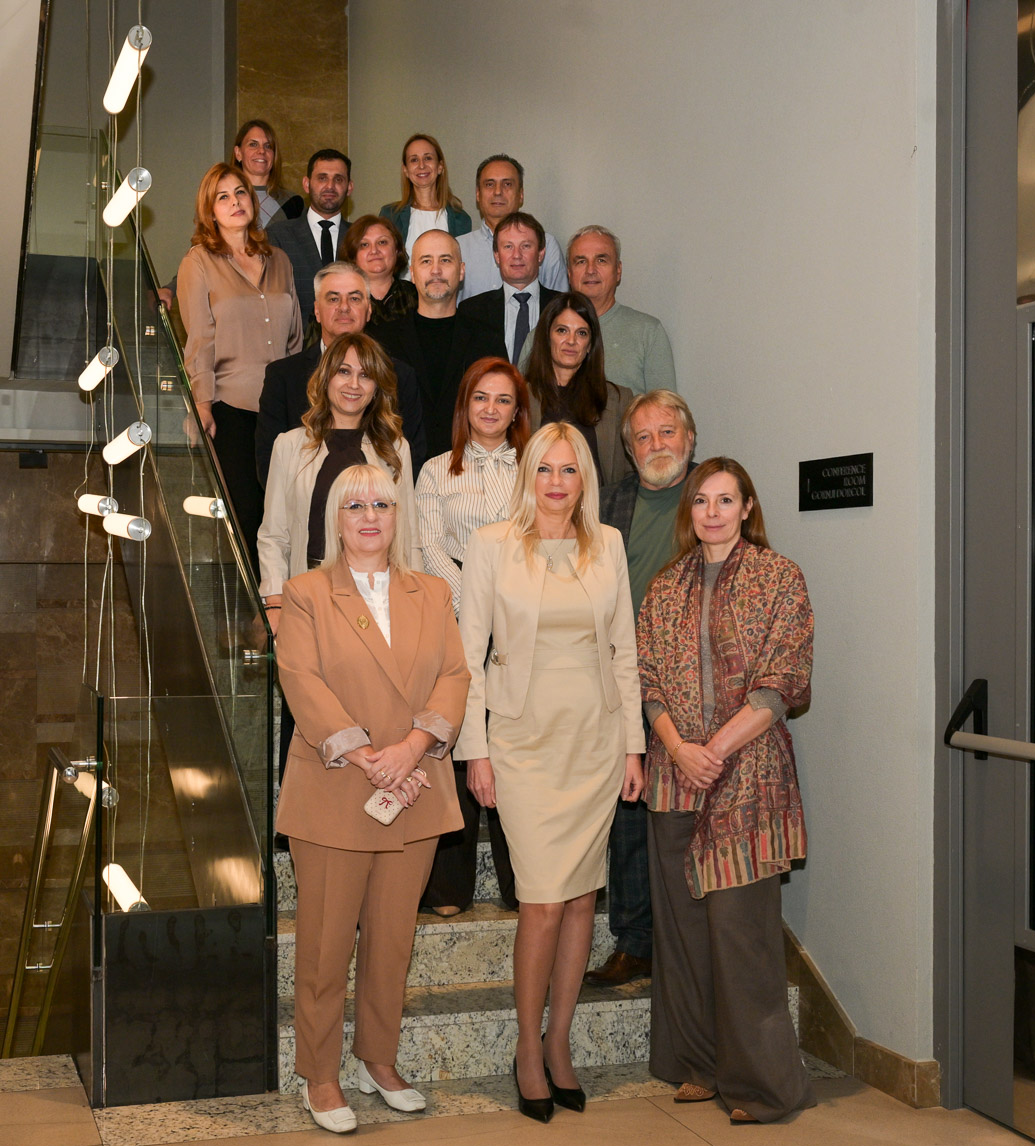
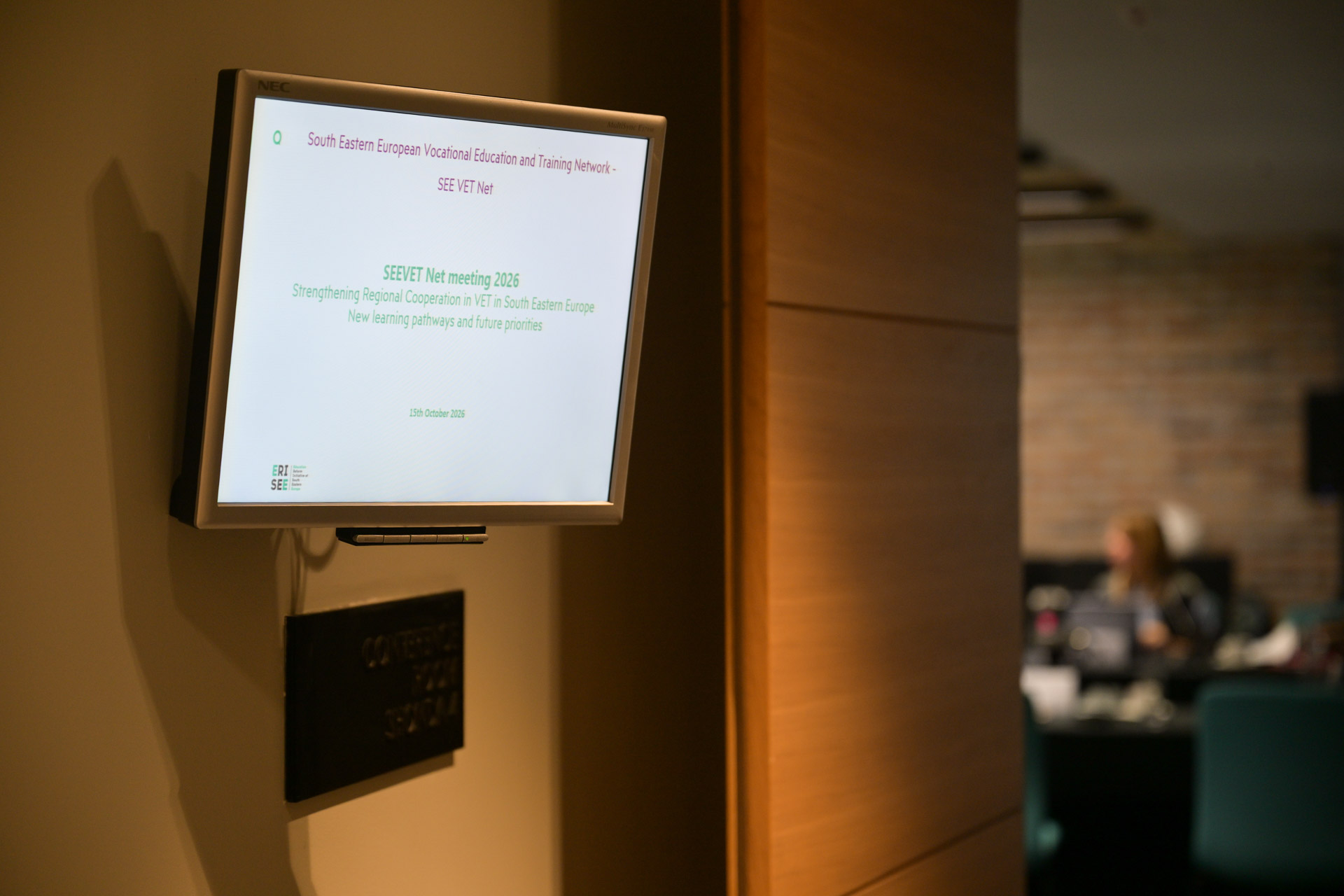
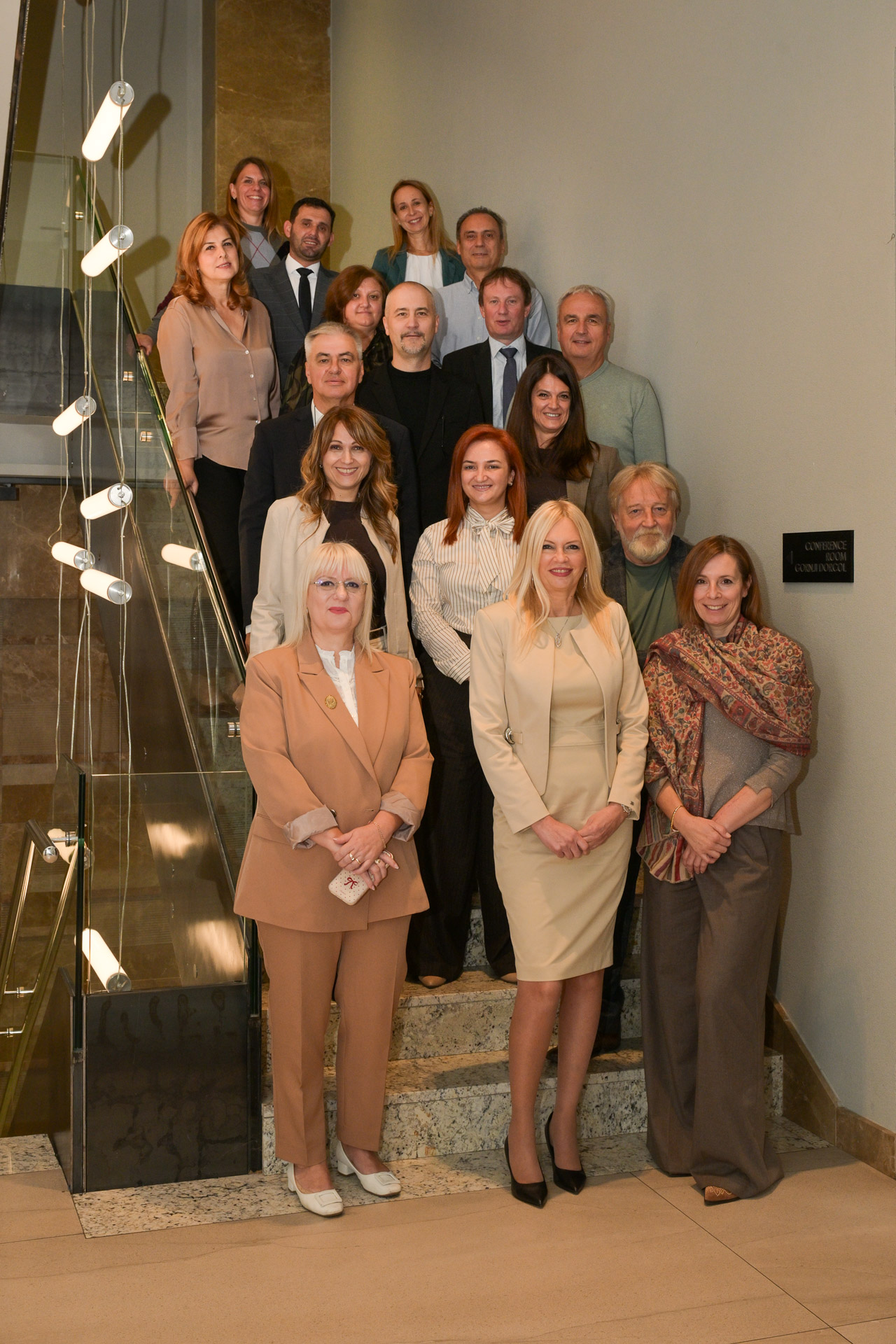
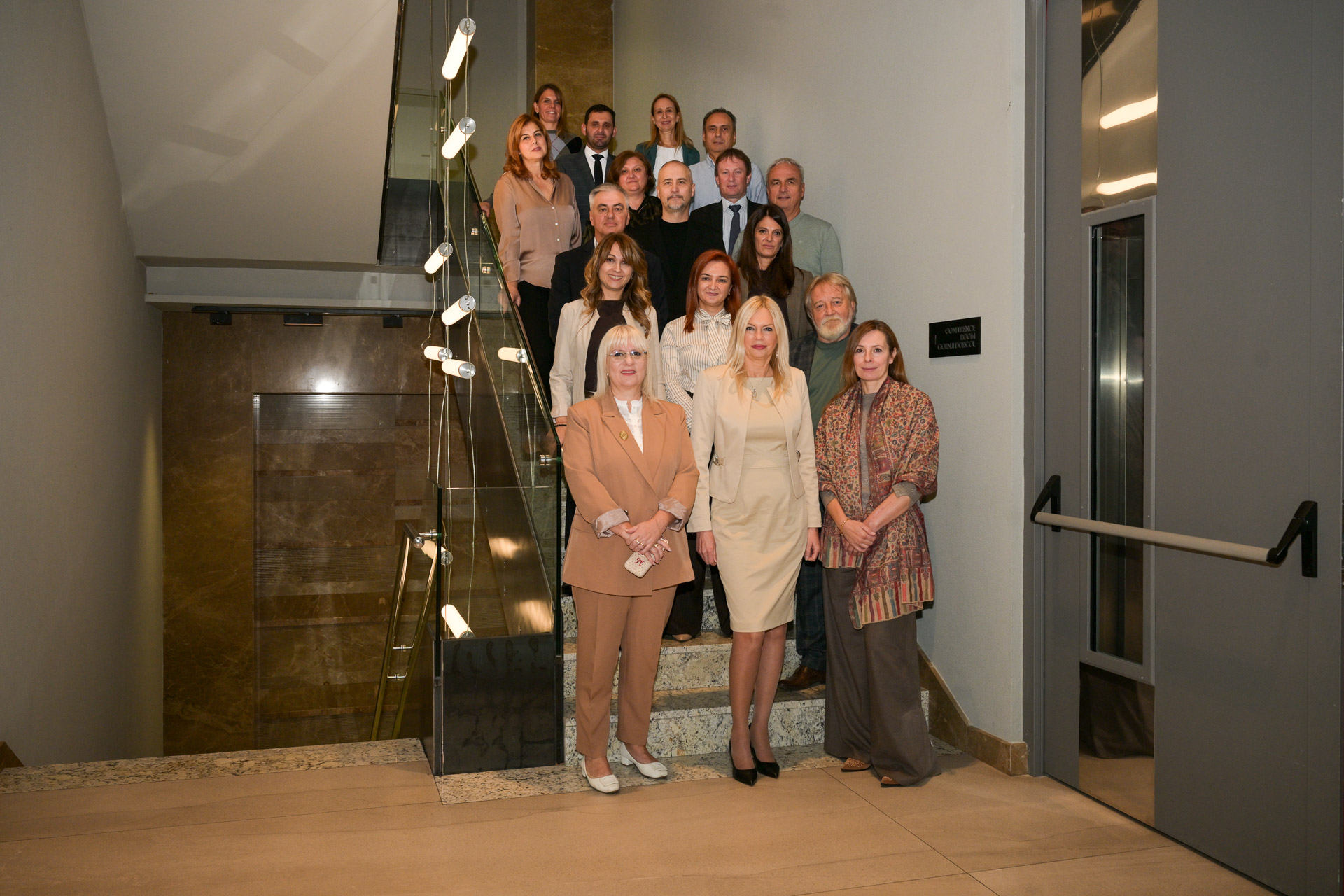
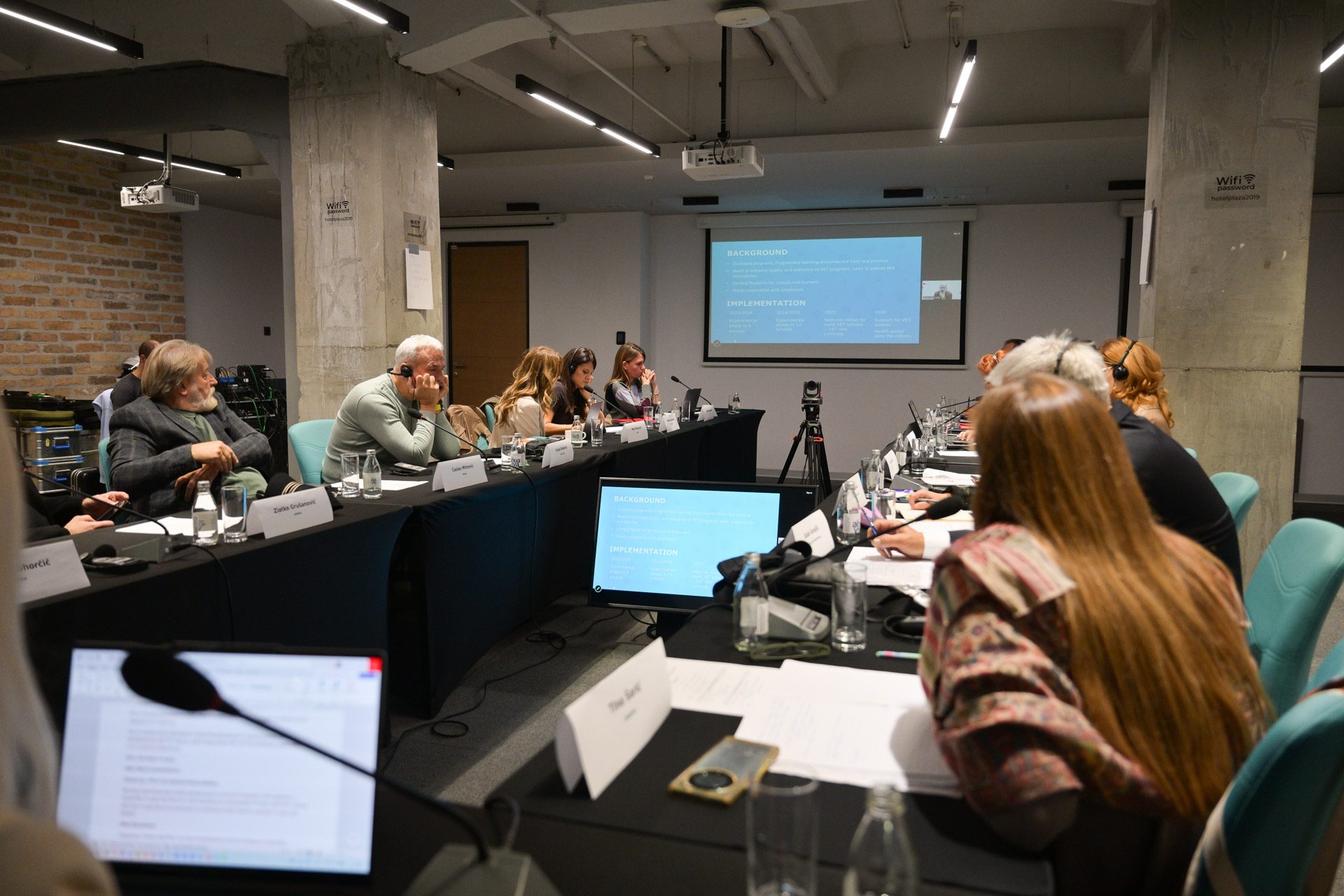
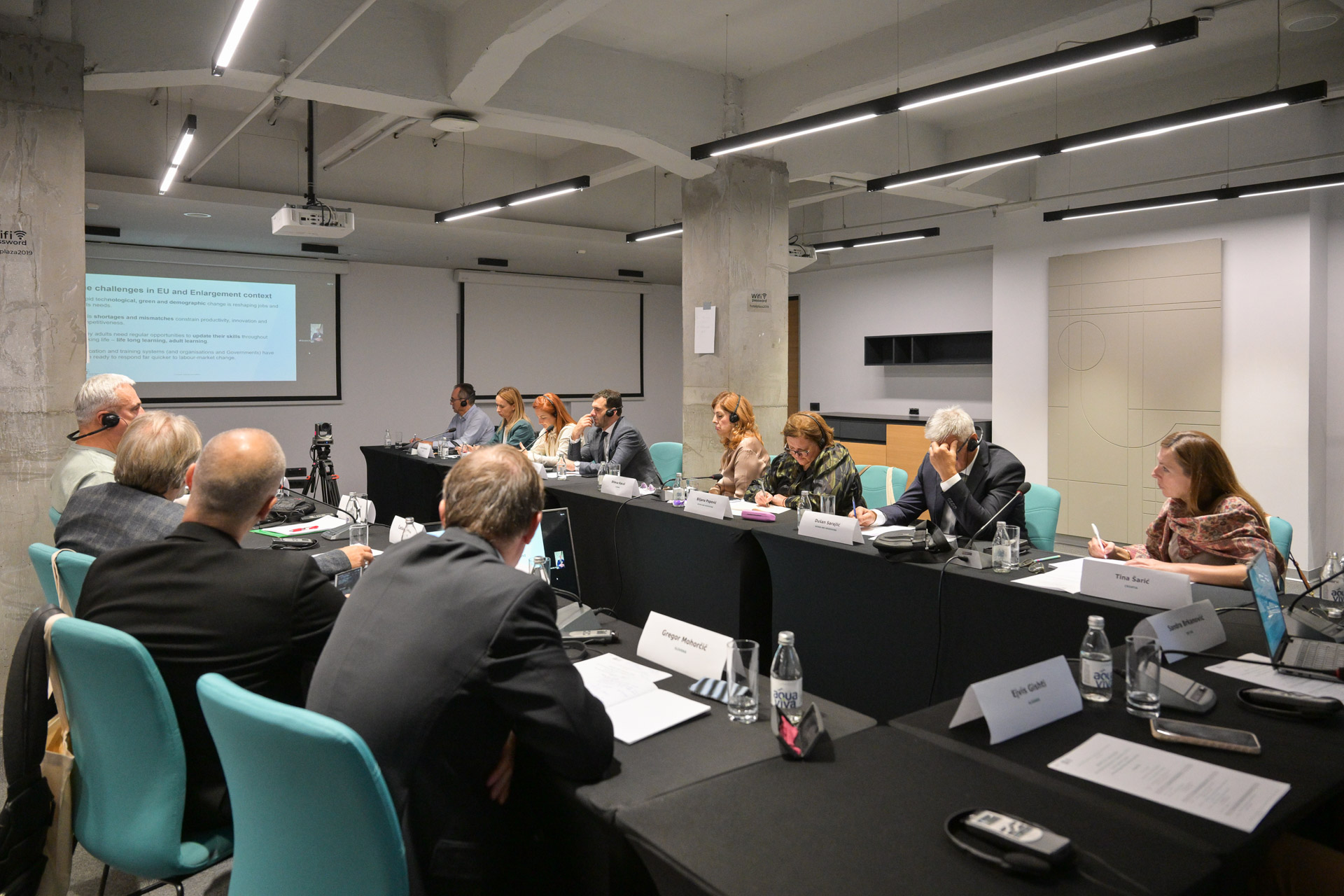
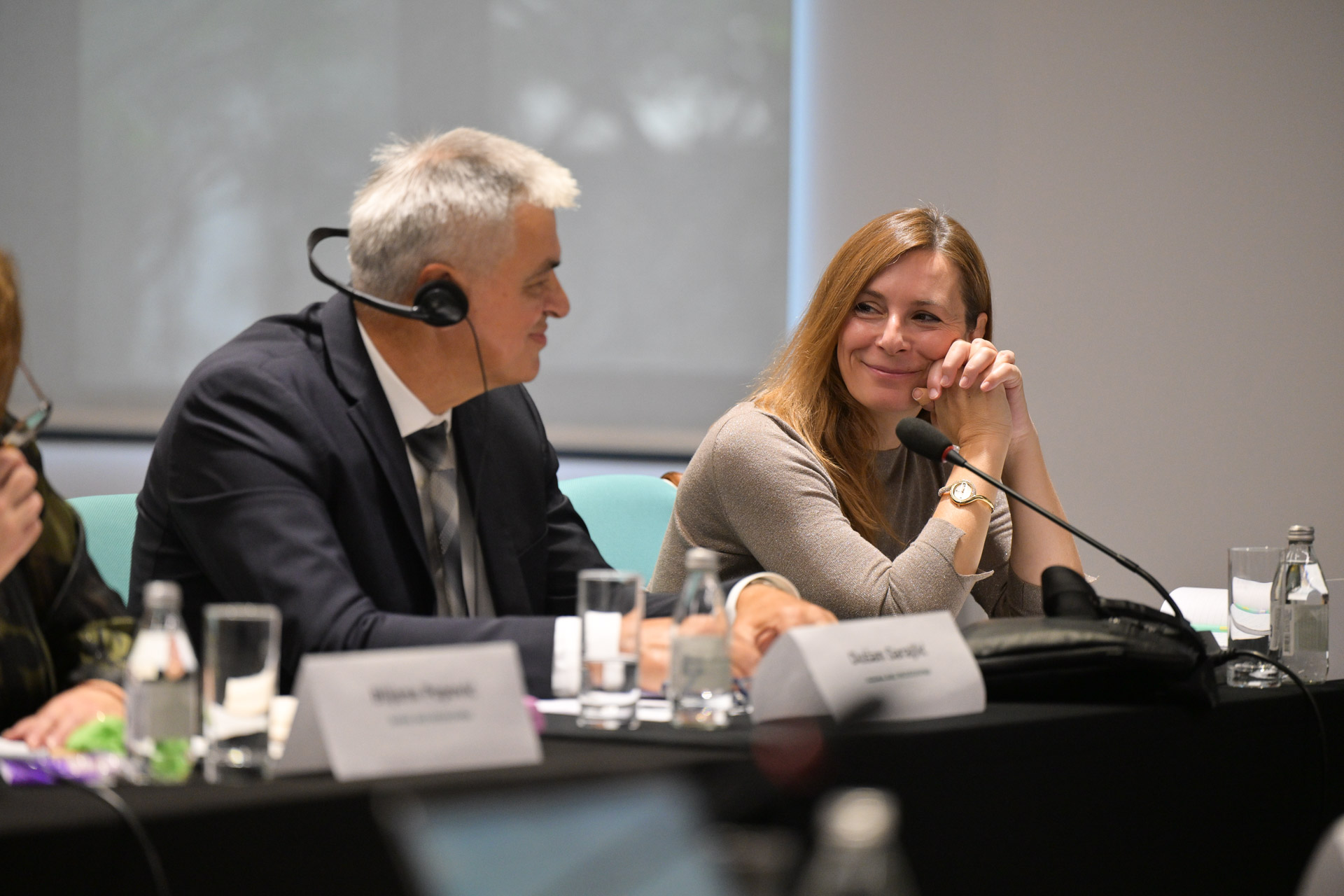
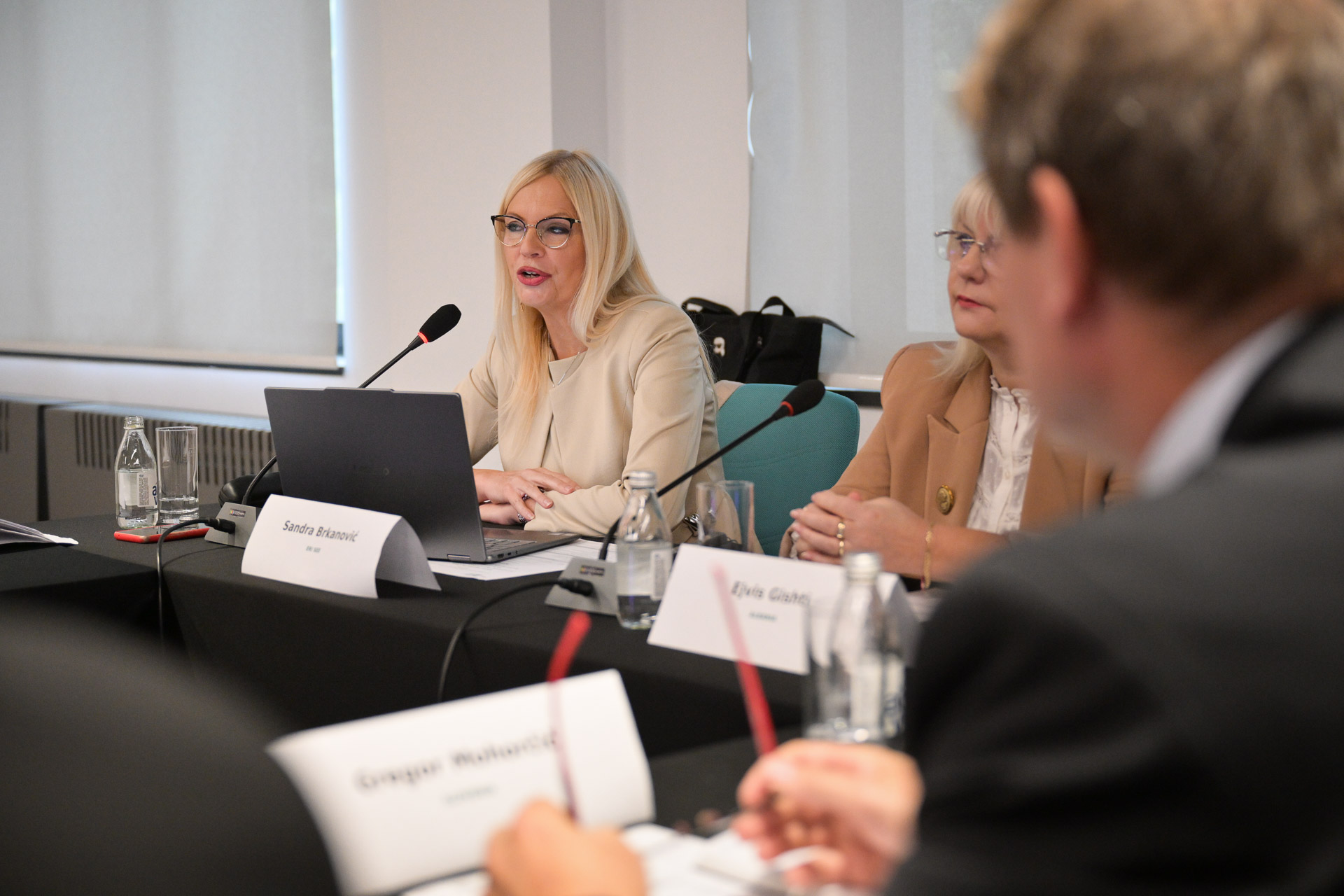
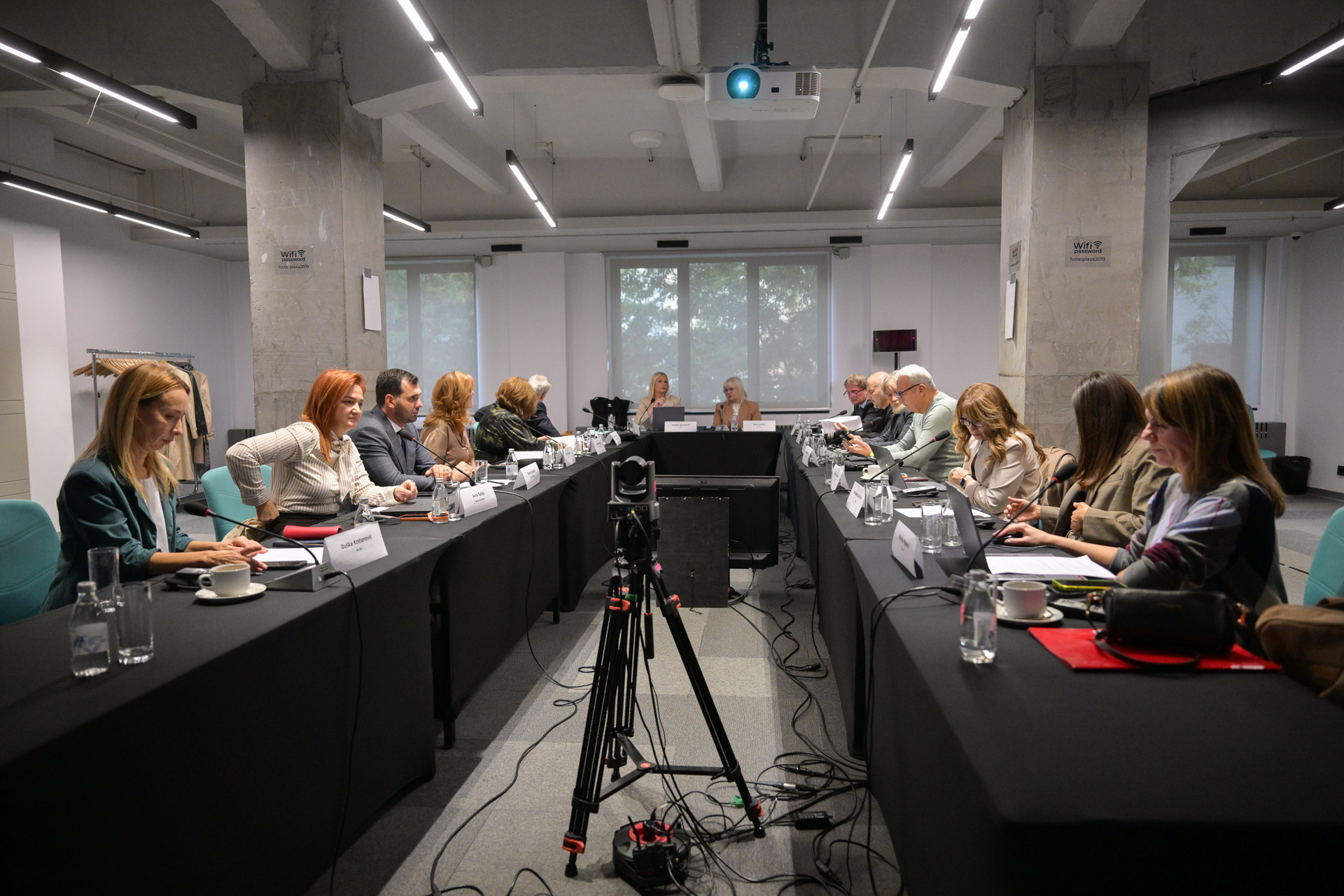
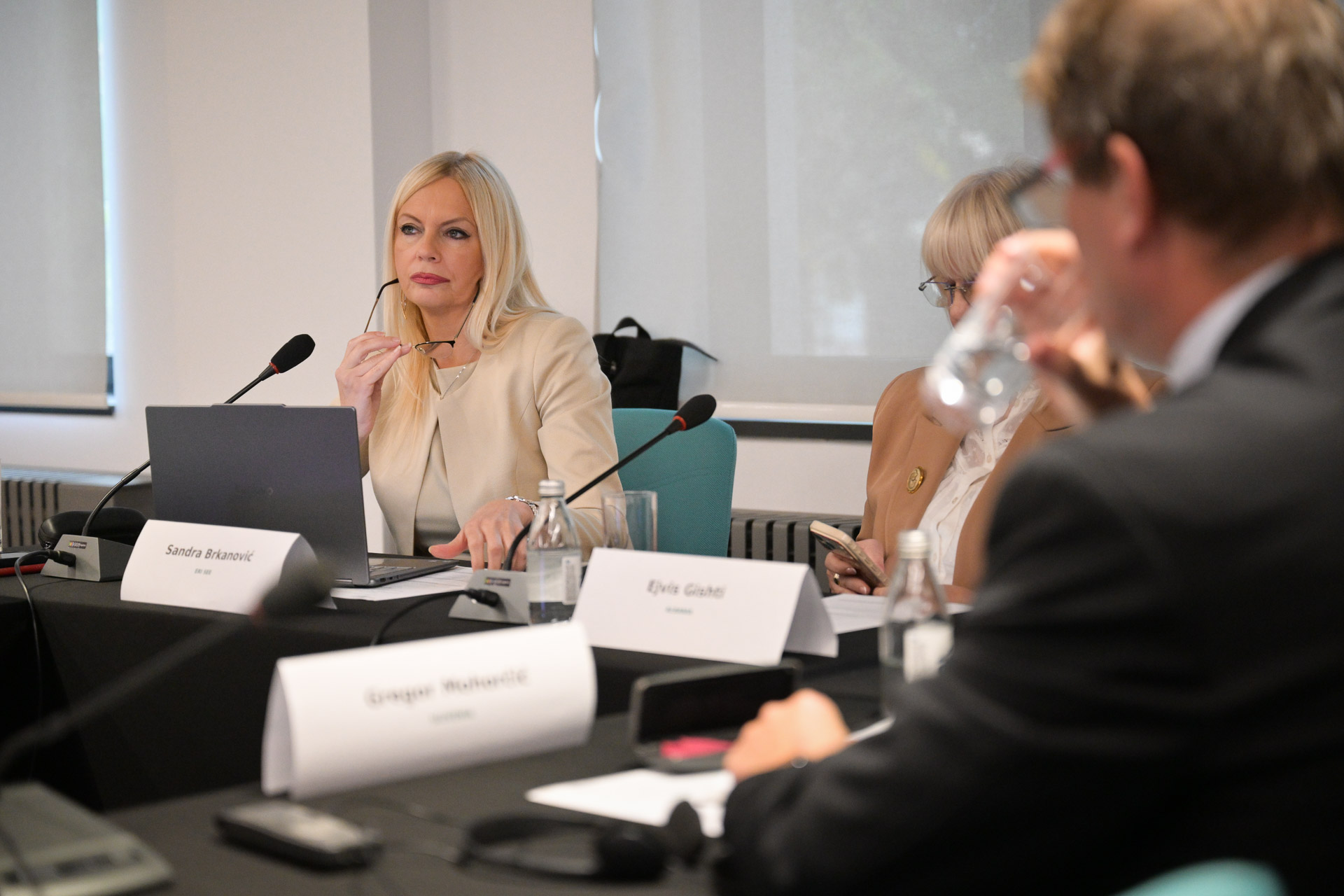
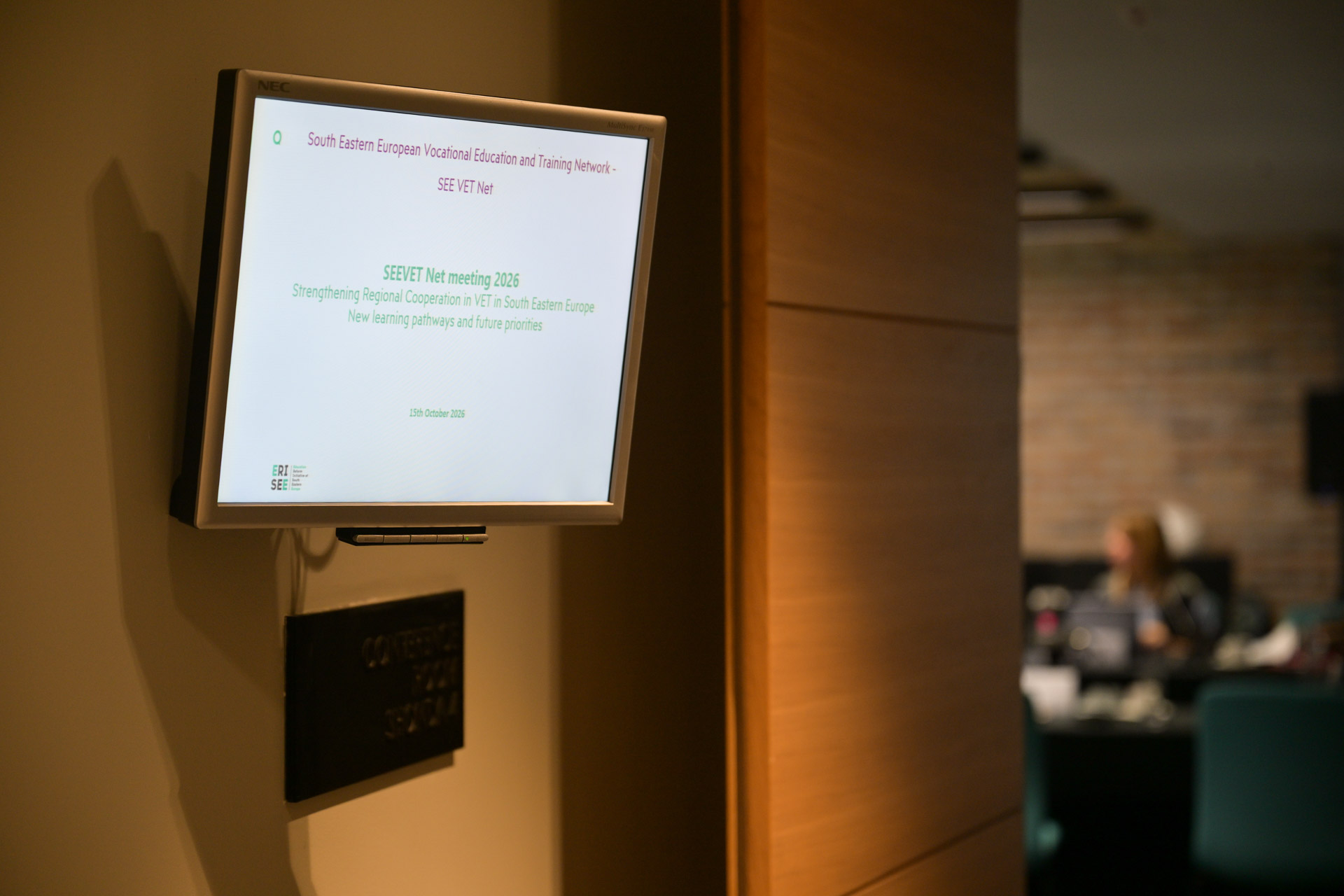
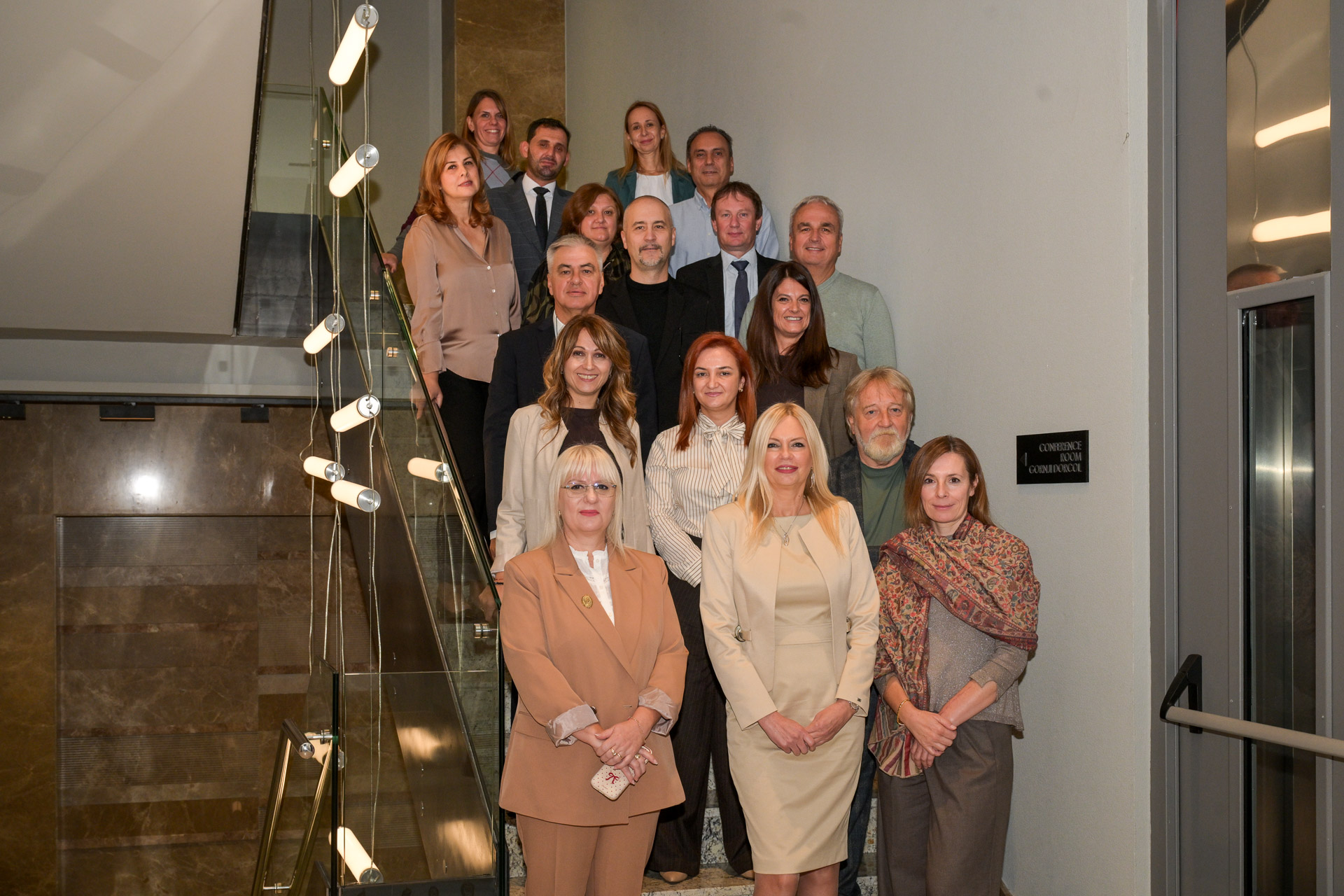
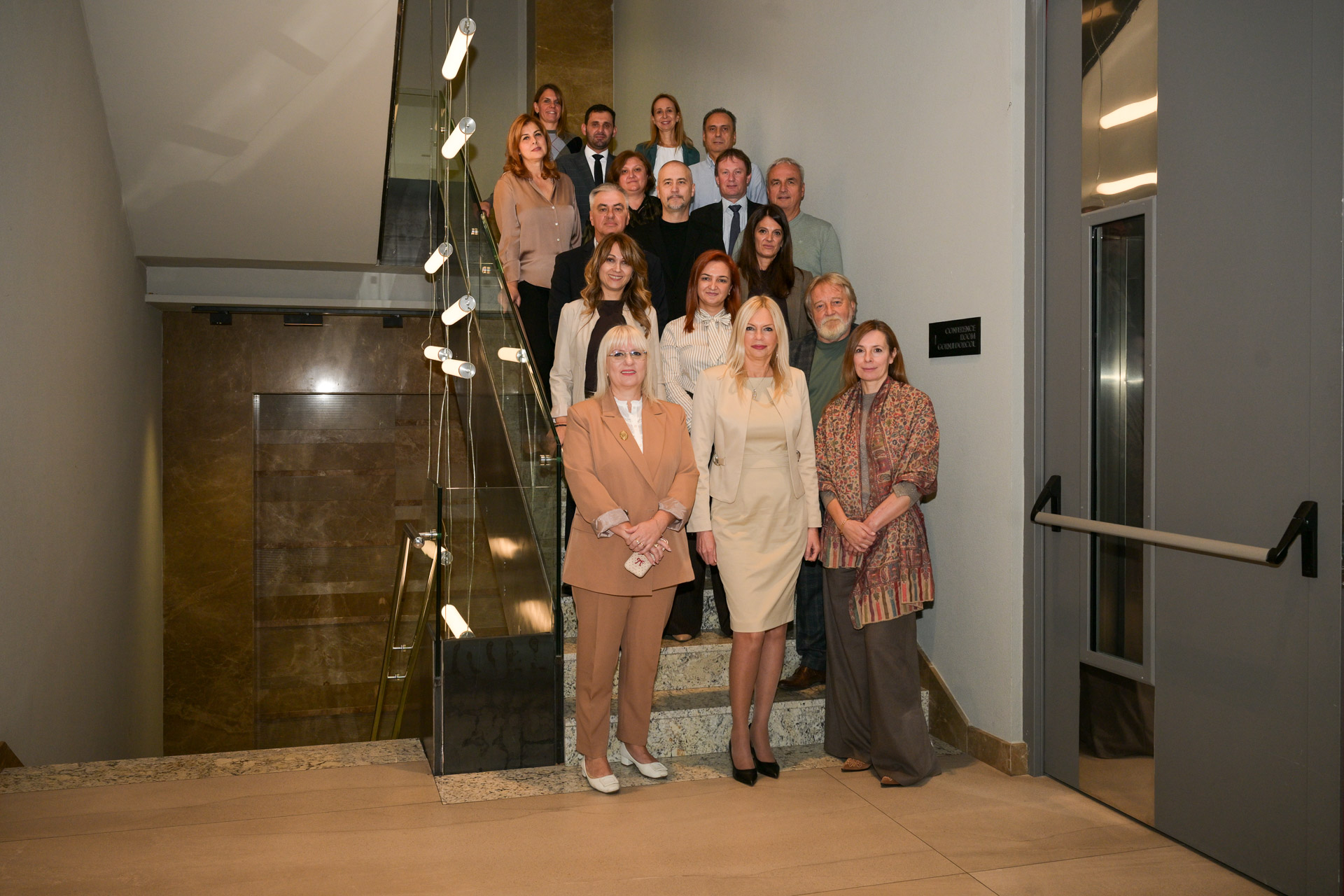
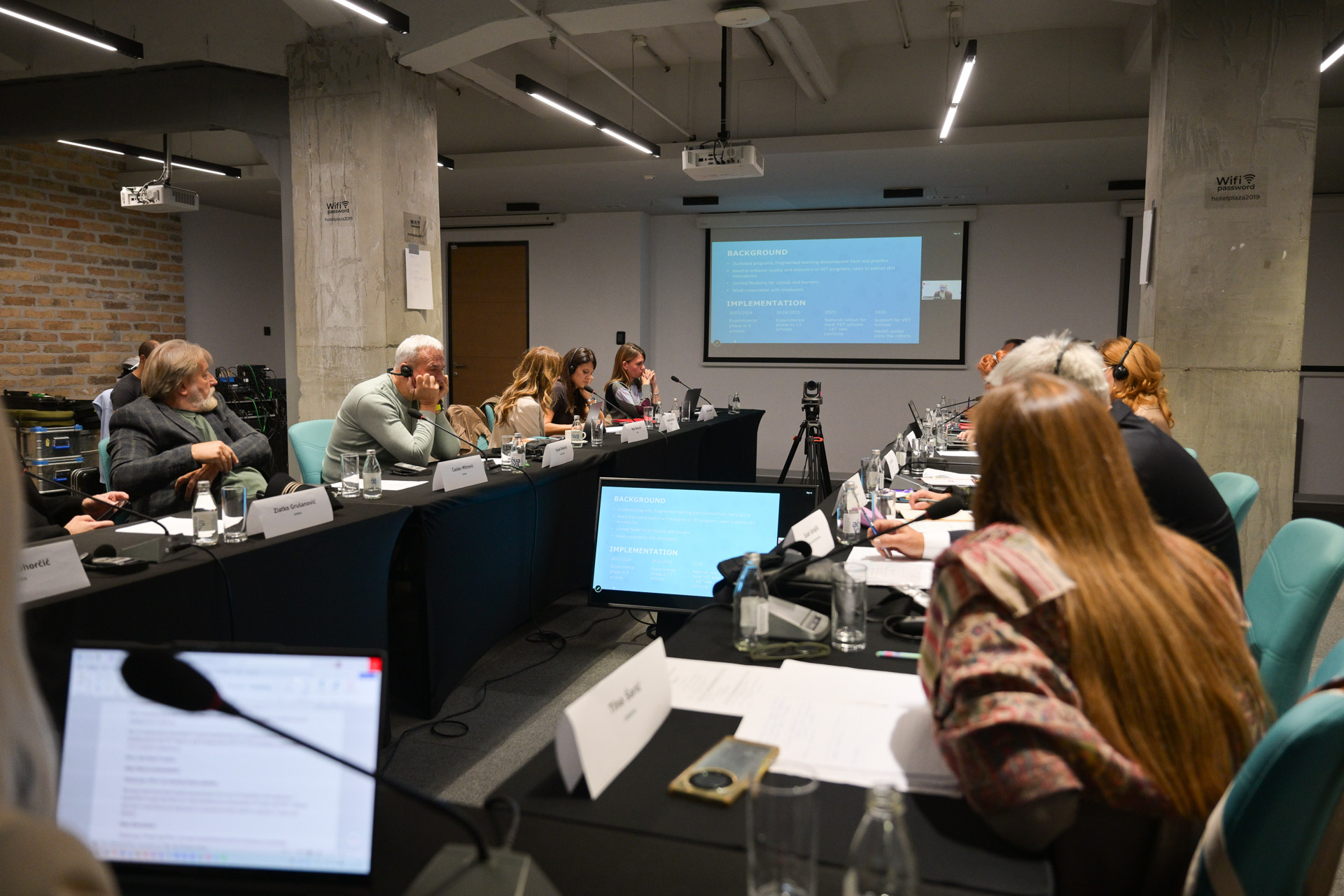
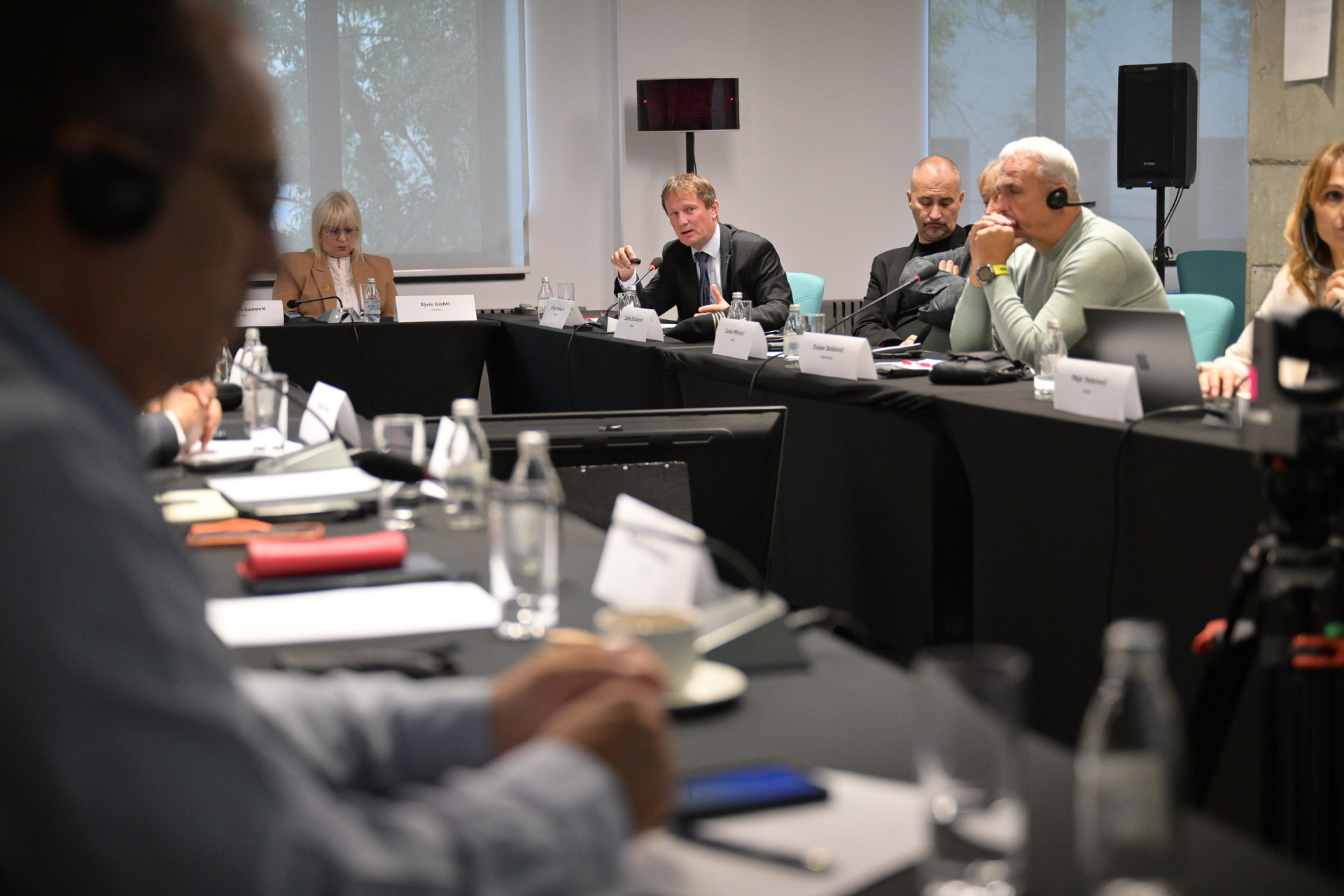
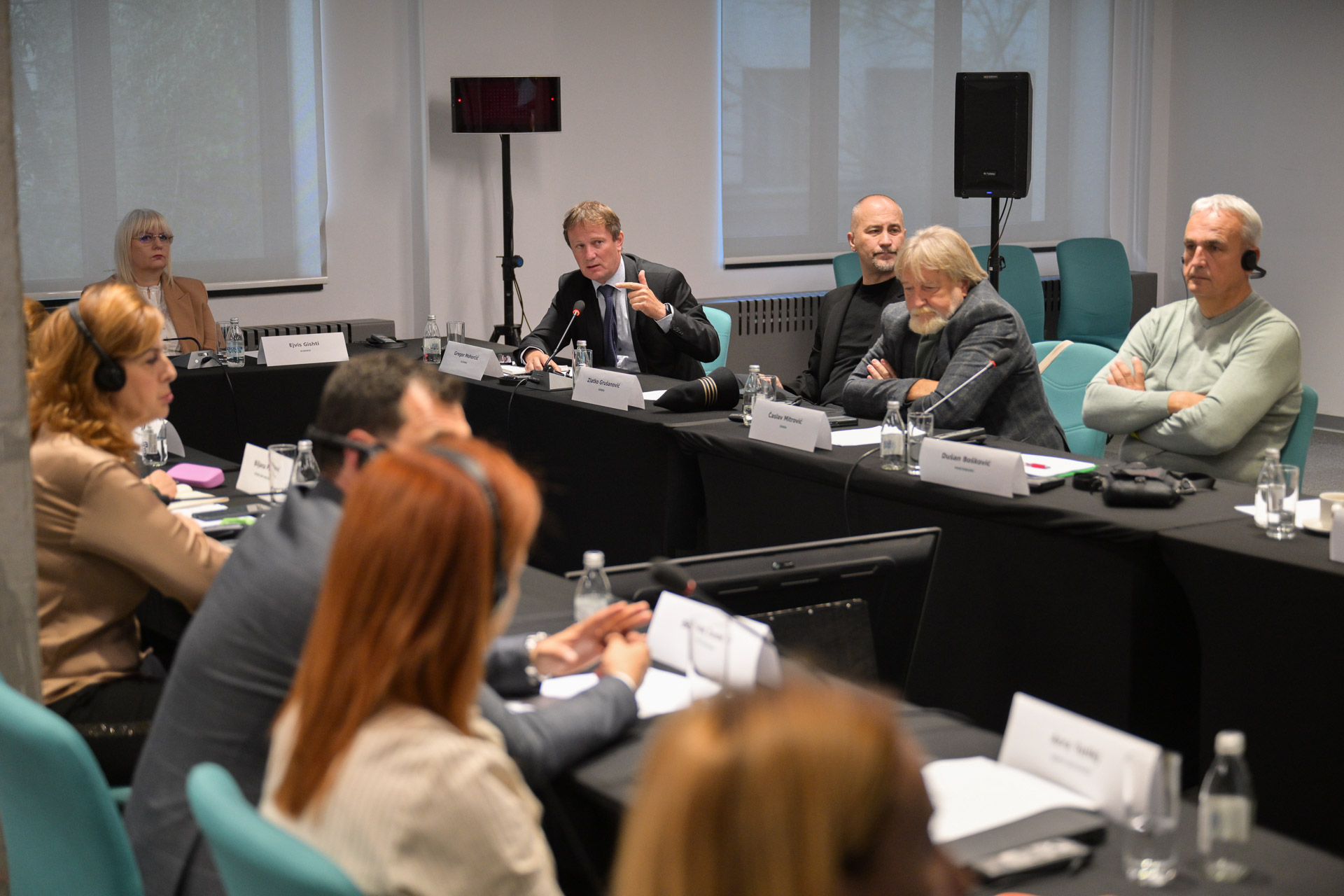
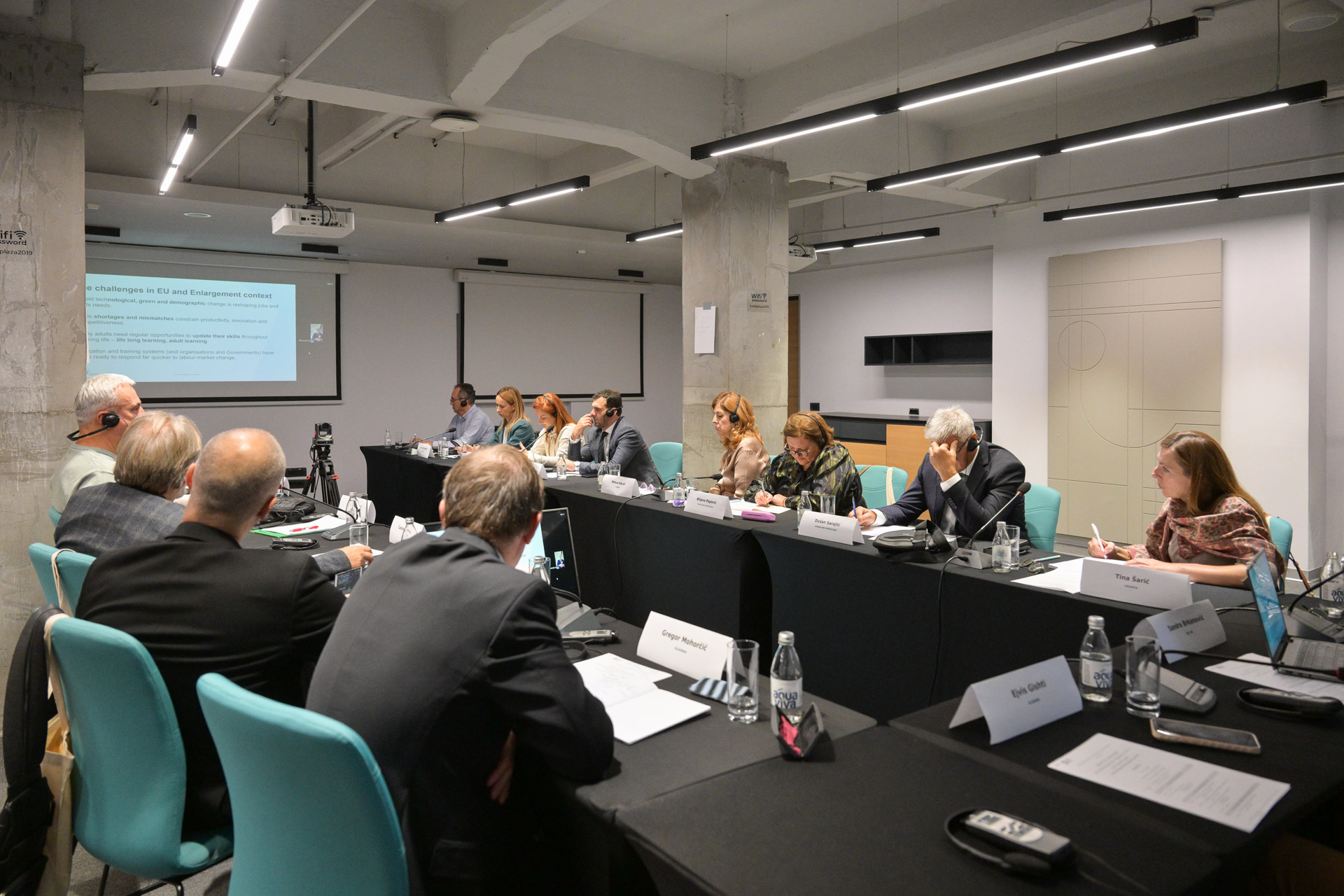
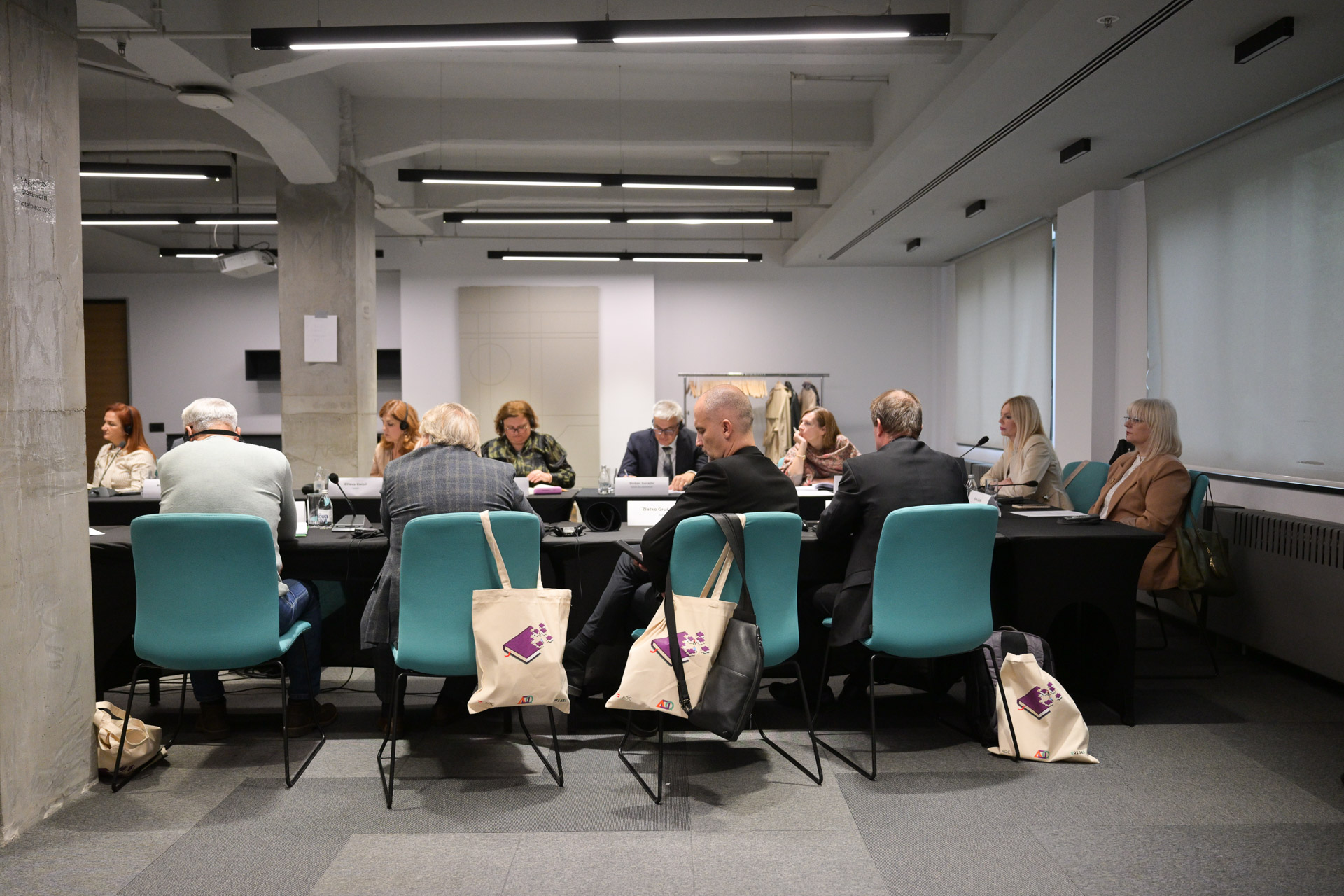
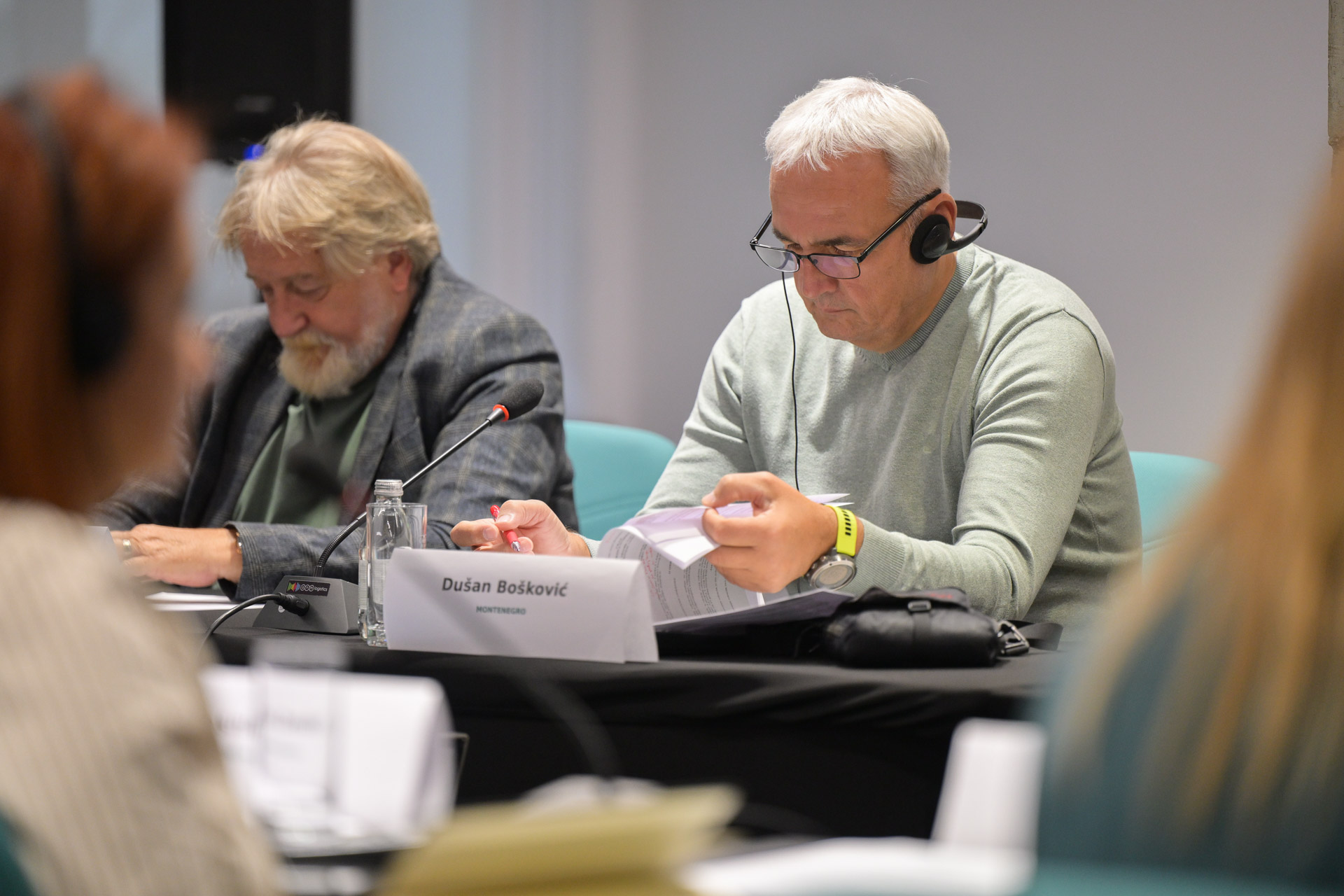
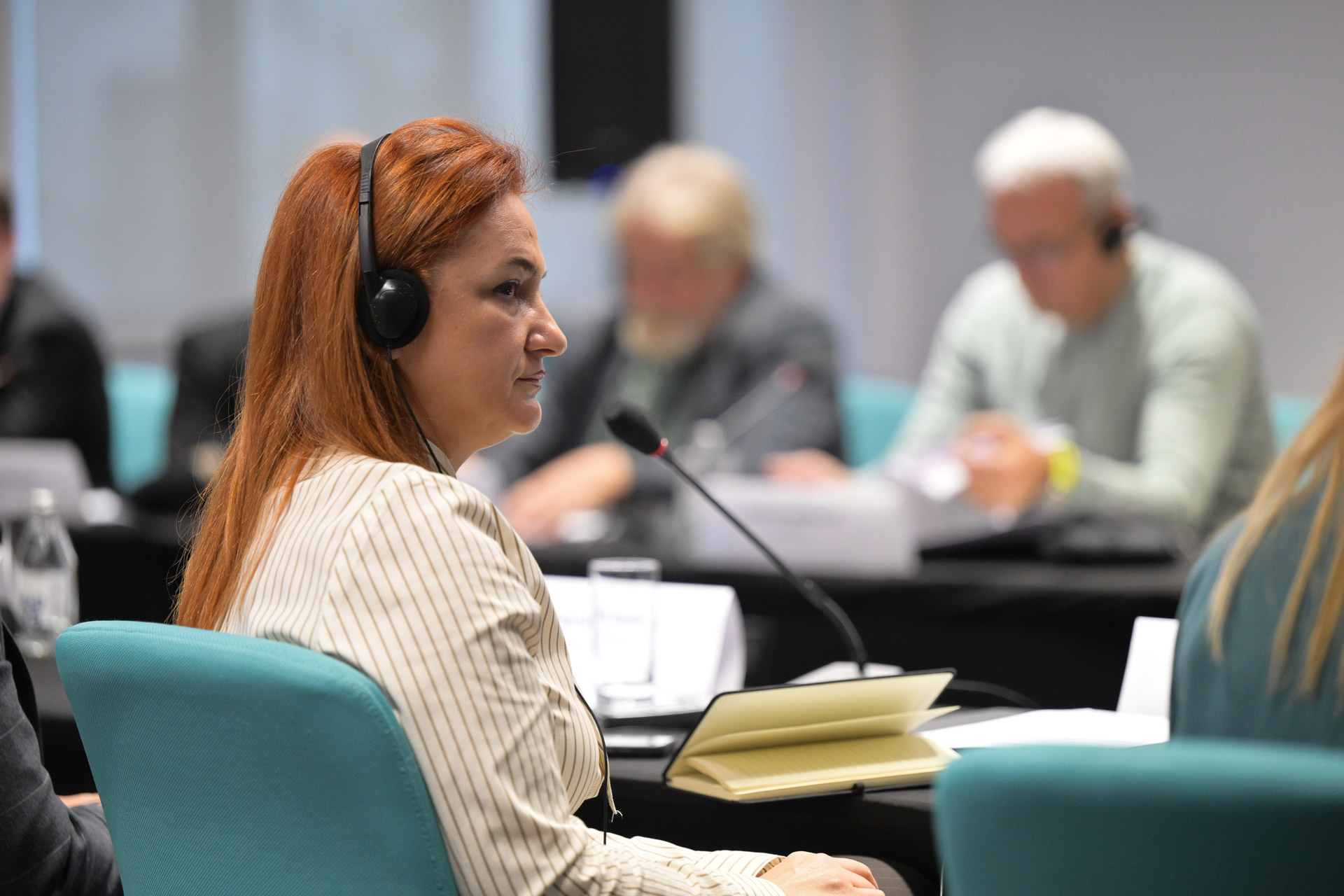
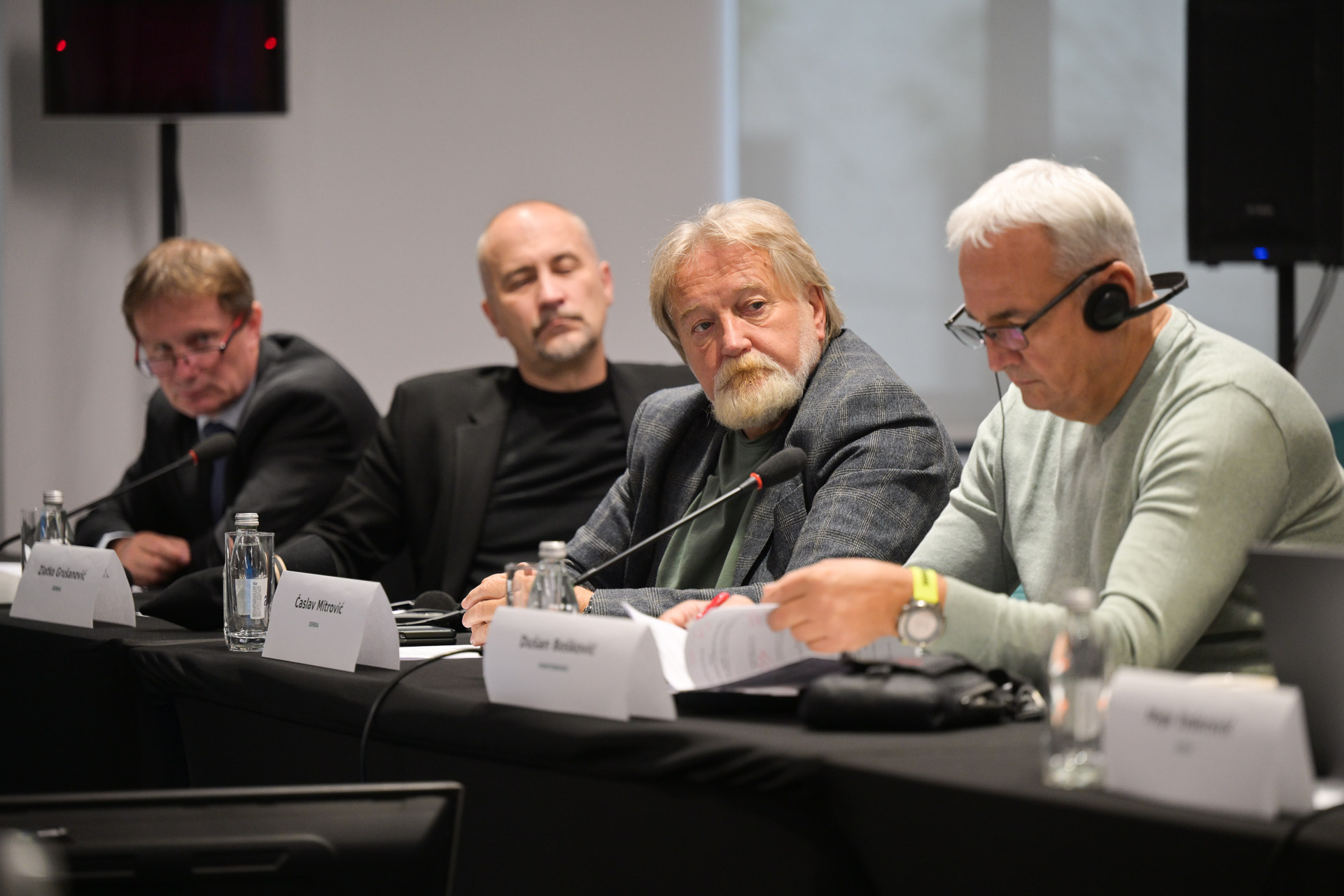
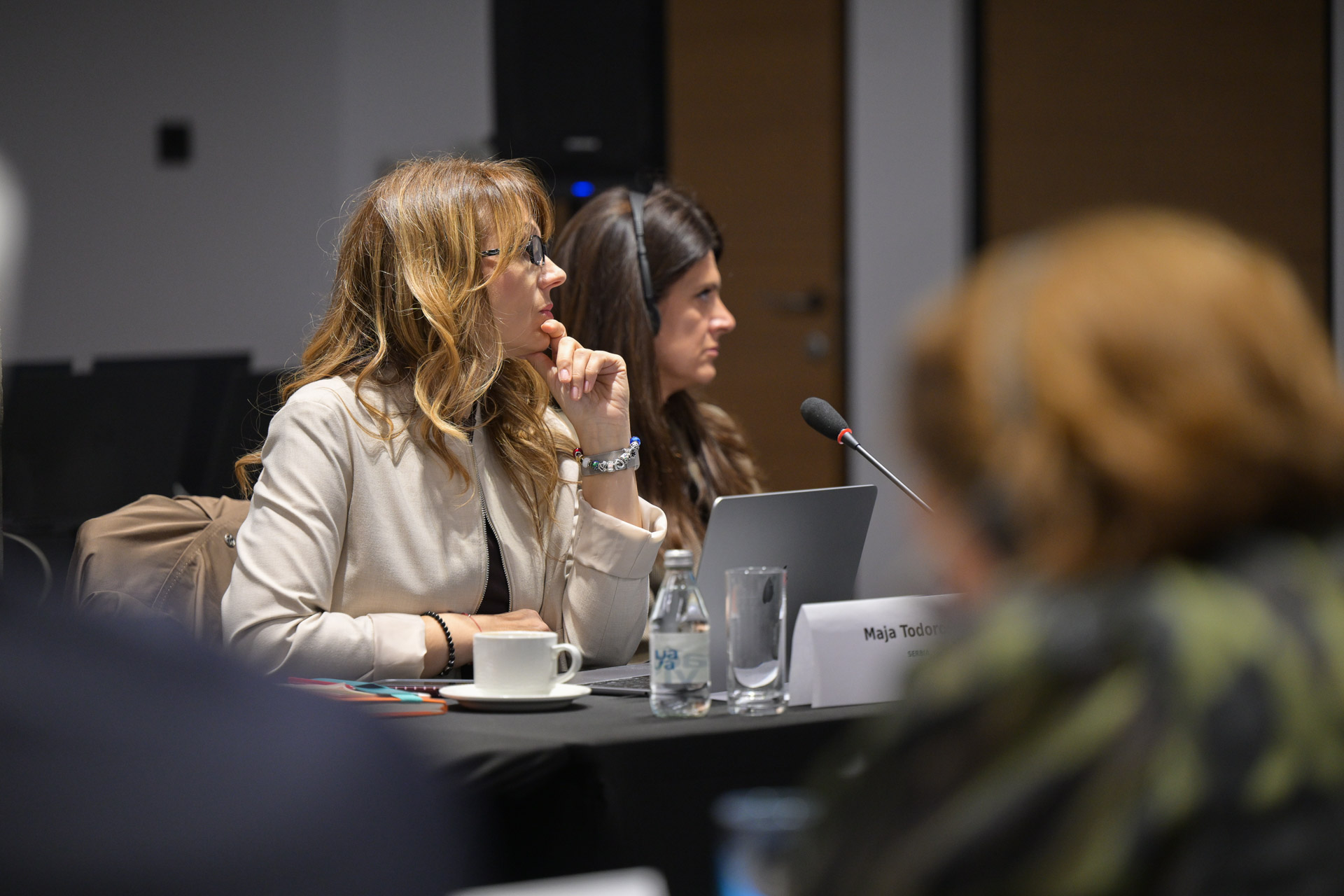
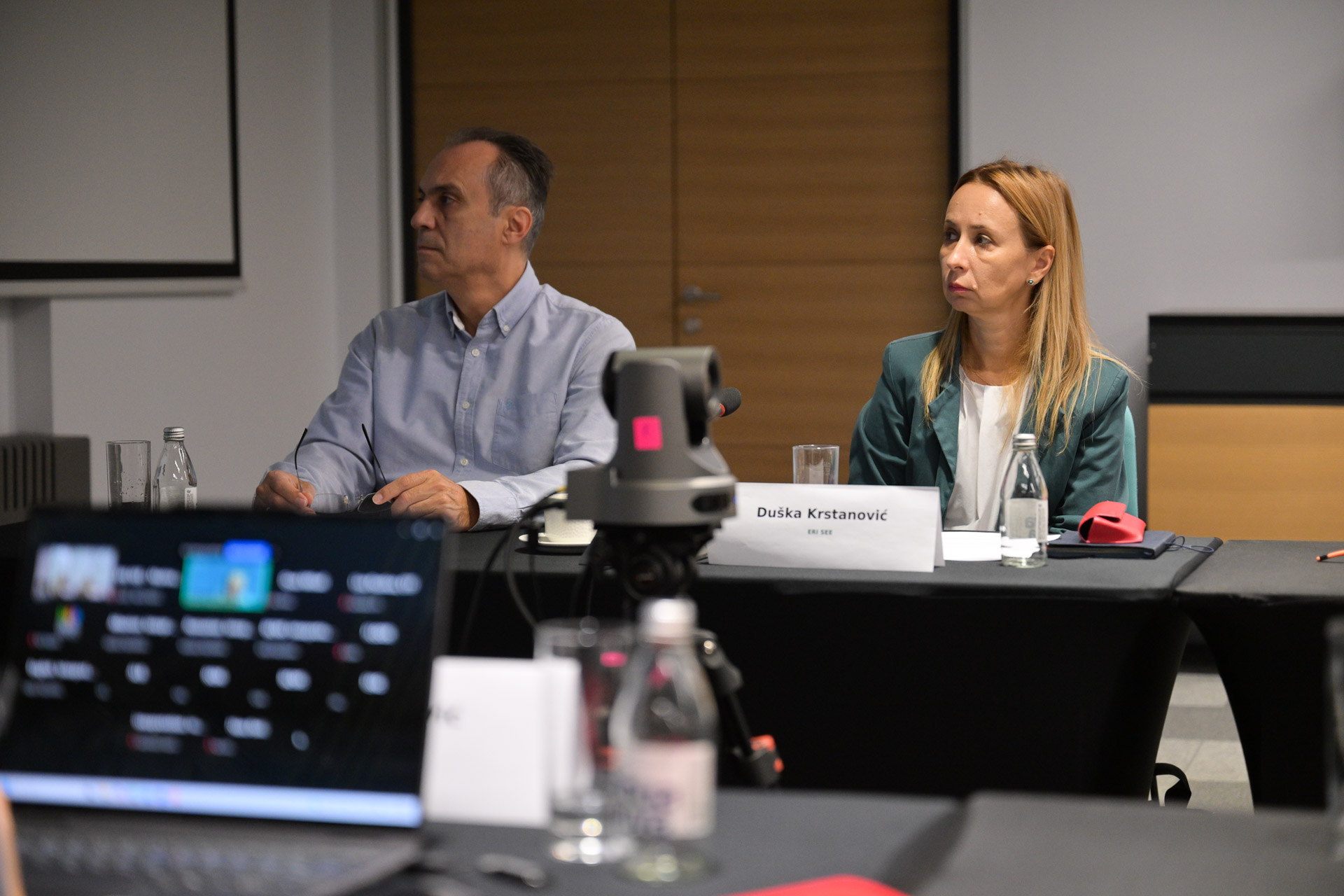
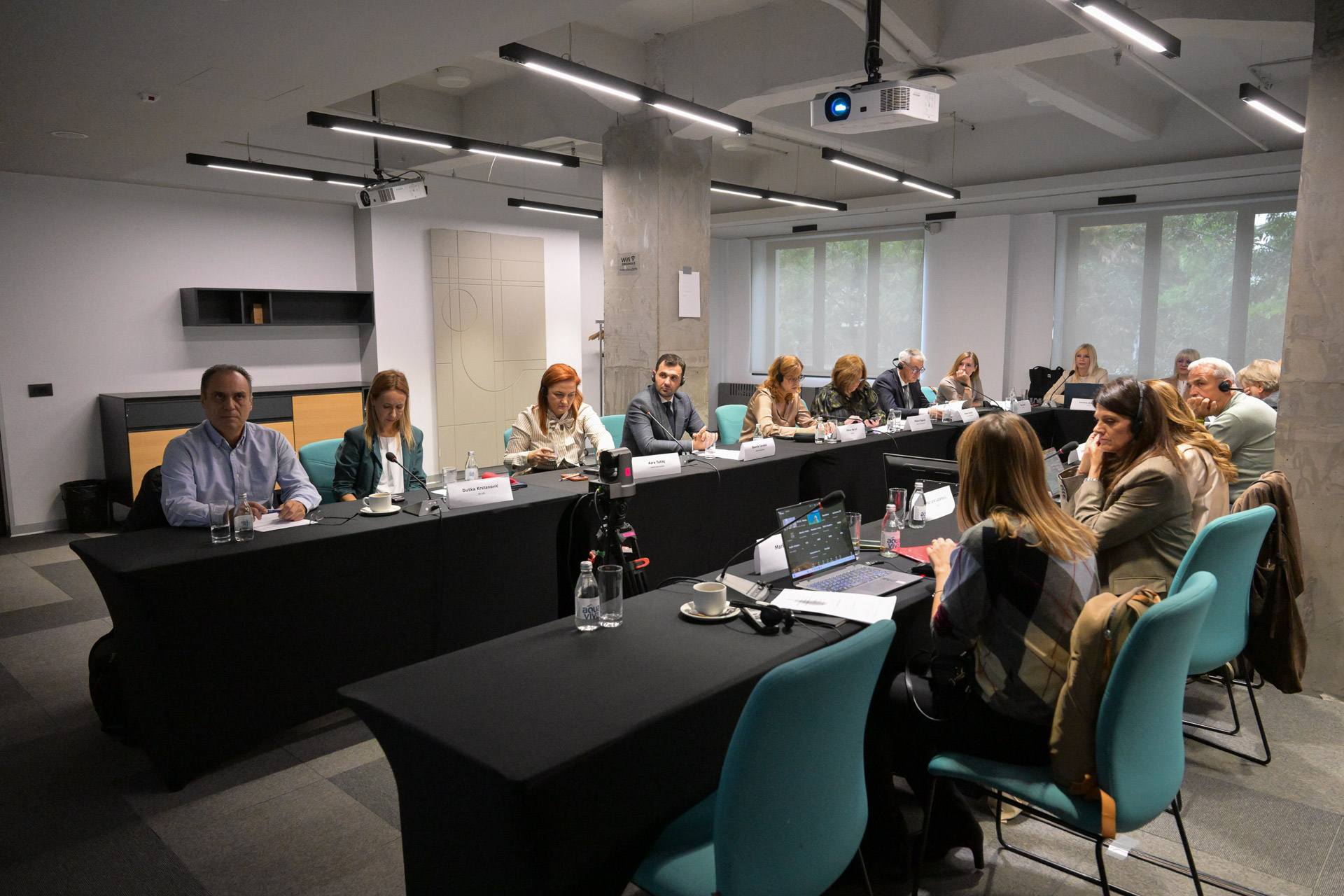
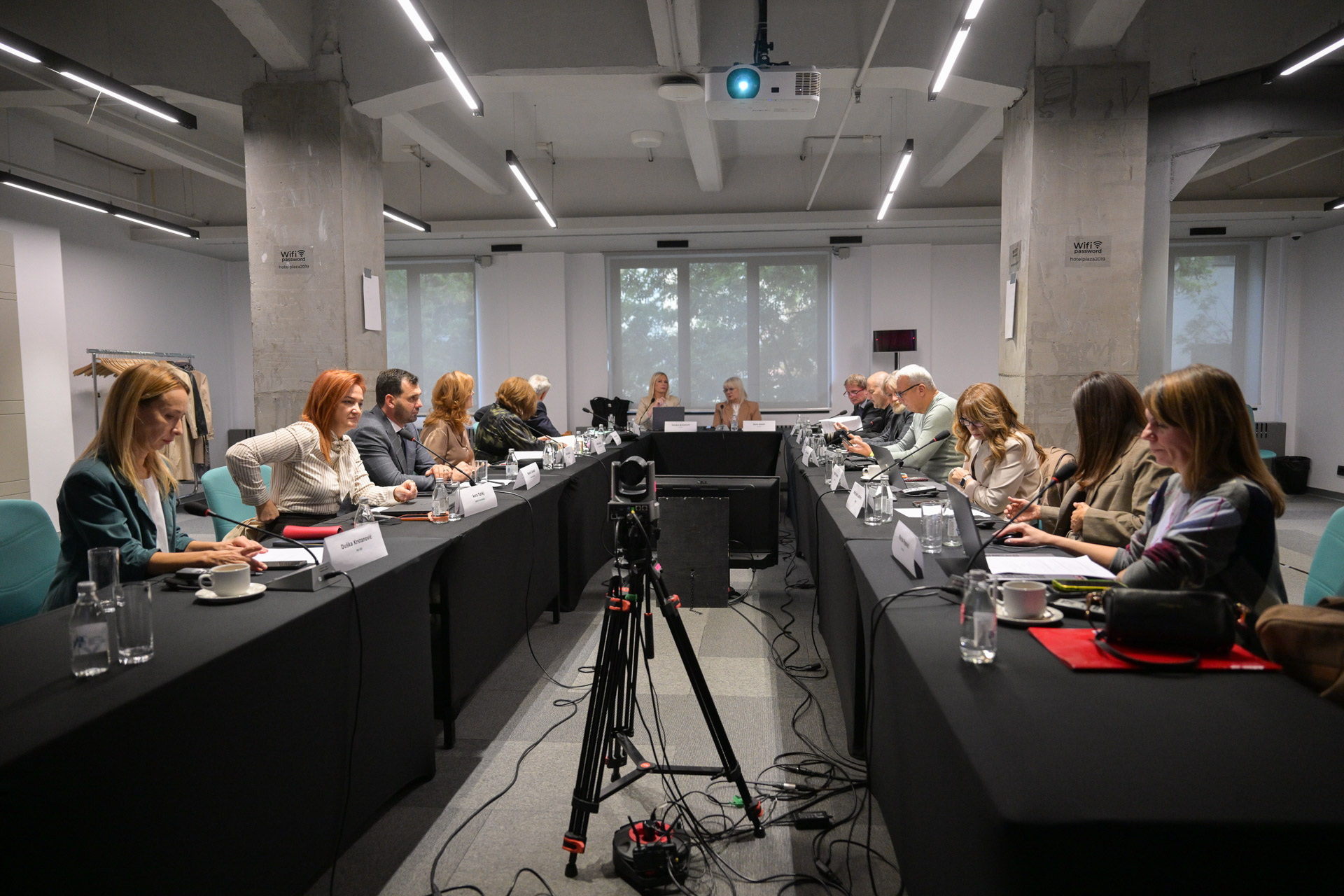
The Education Reform Initiative of South Eastern Europe (ERI SEE) organised a meeting of the South Eastern European Vocational Education and Training Network (SEE VET Net) on 15–16 October 2026 in Belgrade, Serbia, under the theme “Strengthening Regional Cooperation in VET in South Eastern Europe – New Learning Pathways and Future Priorities.”
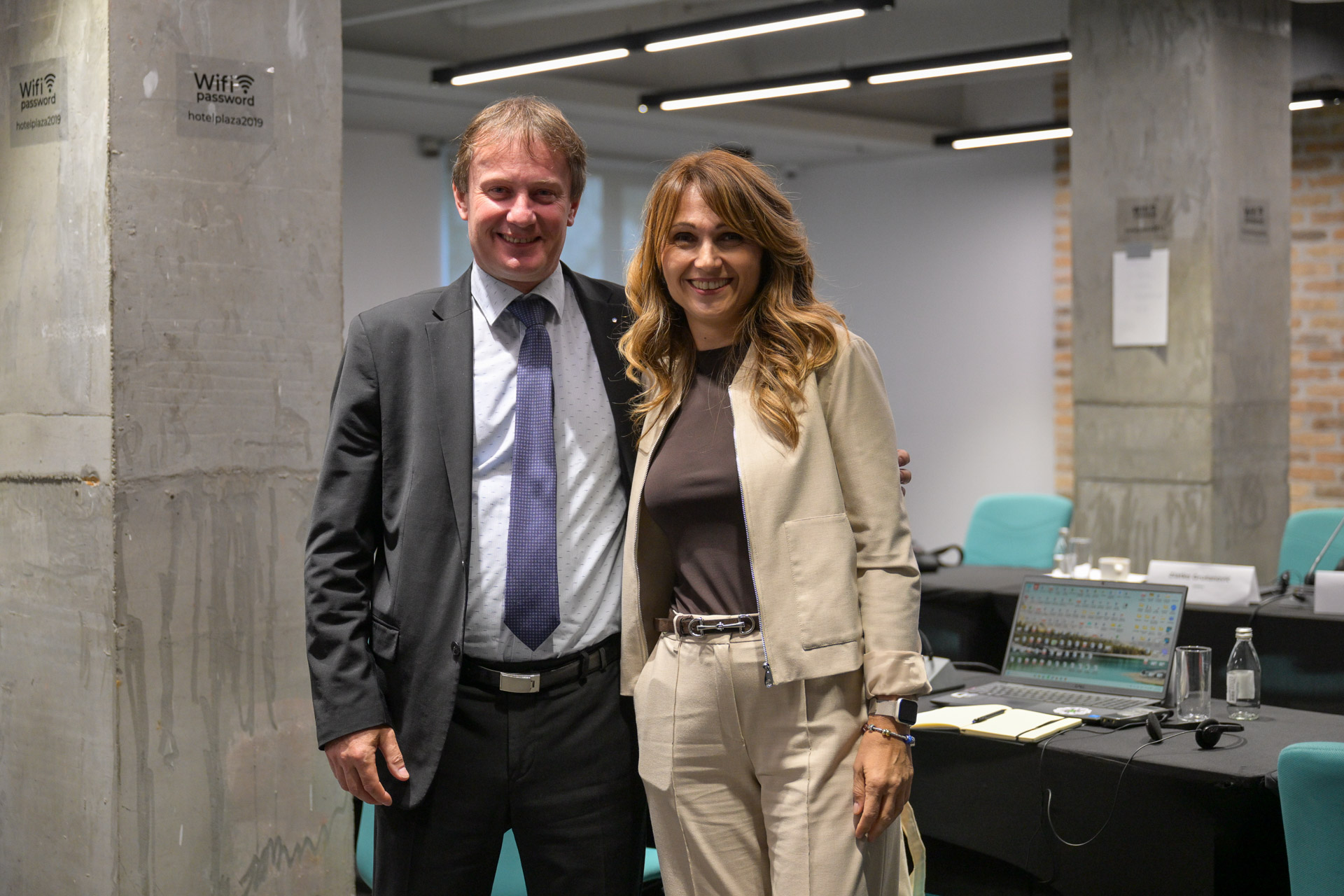
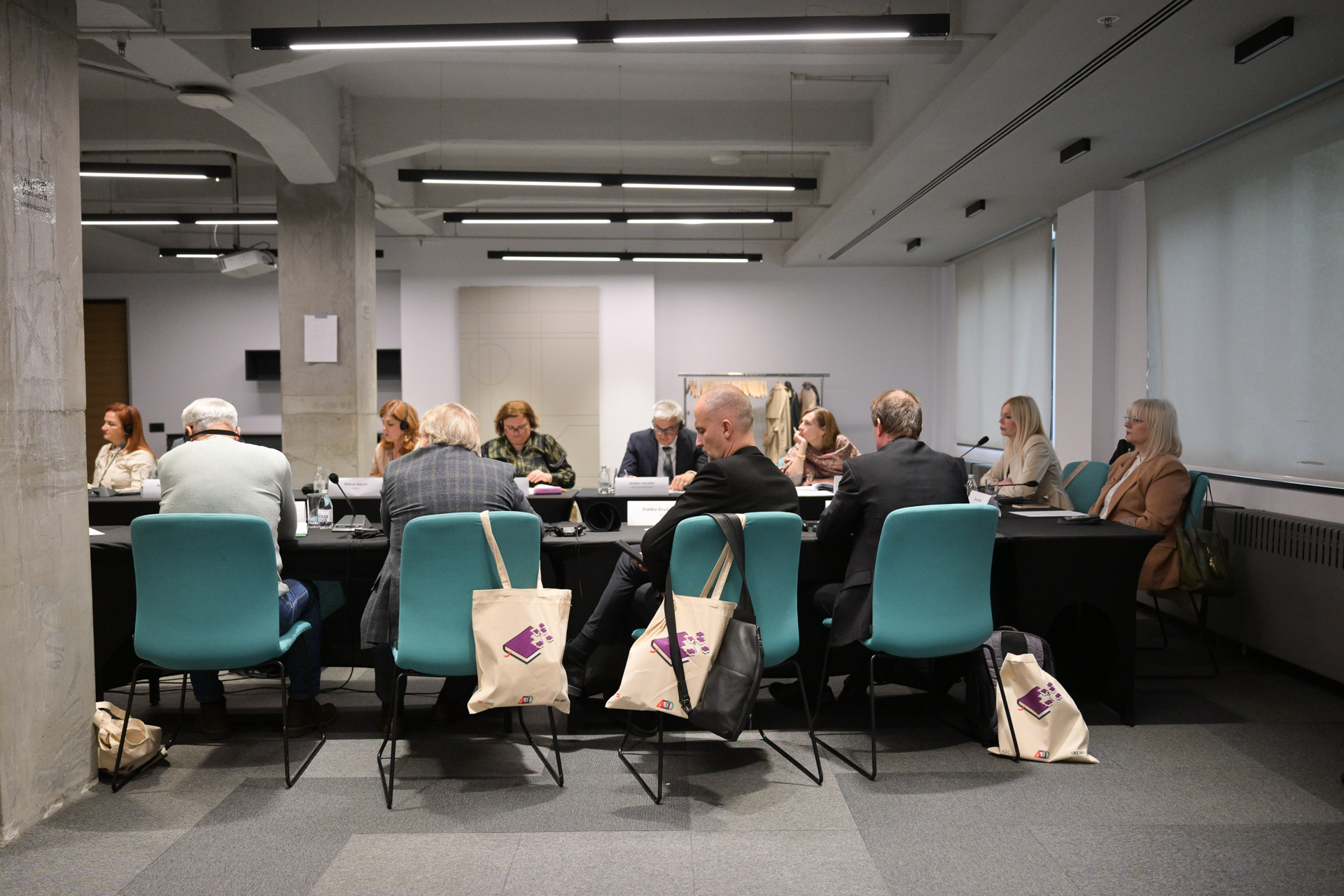
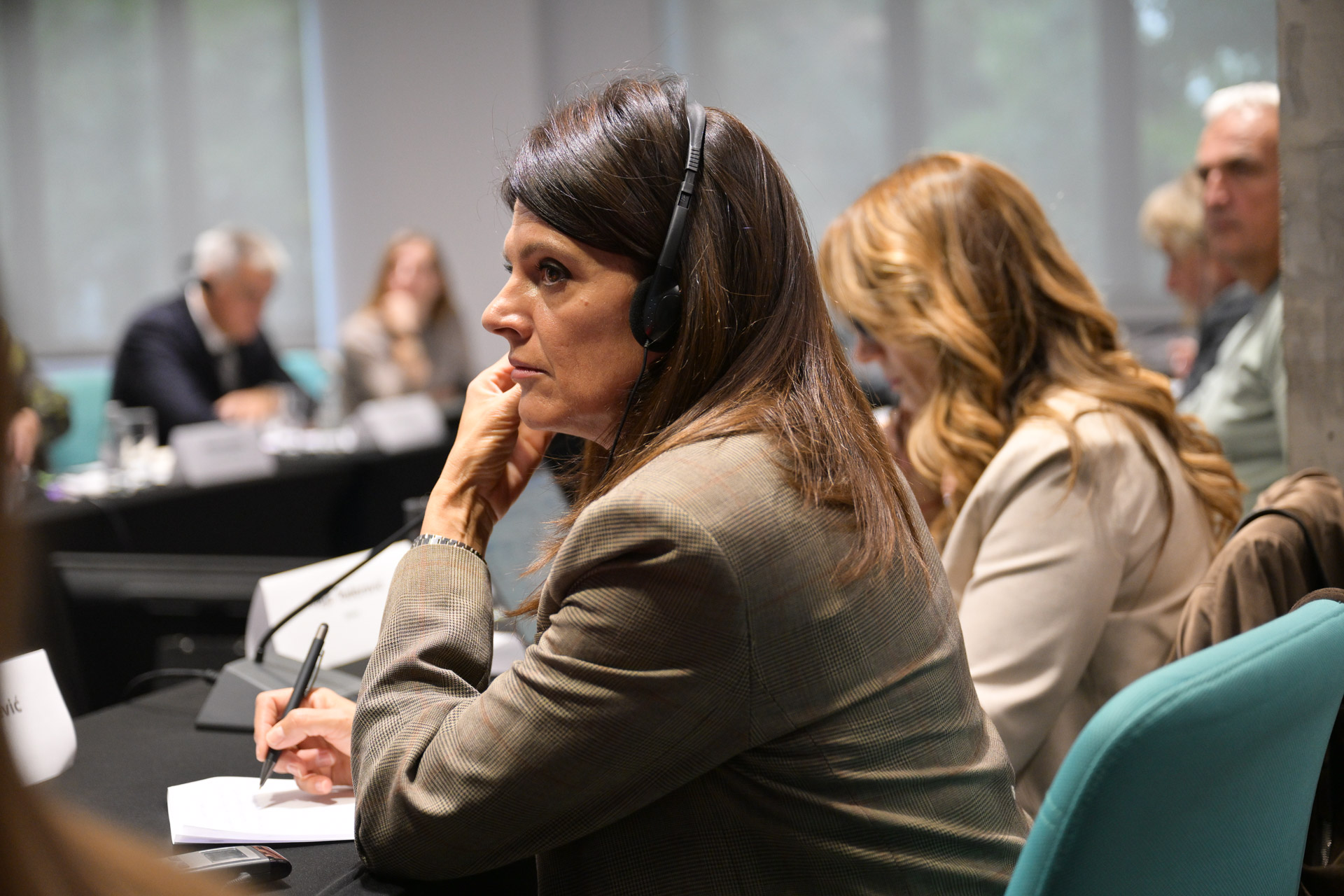
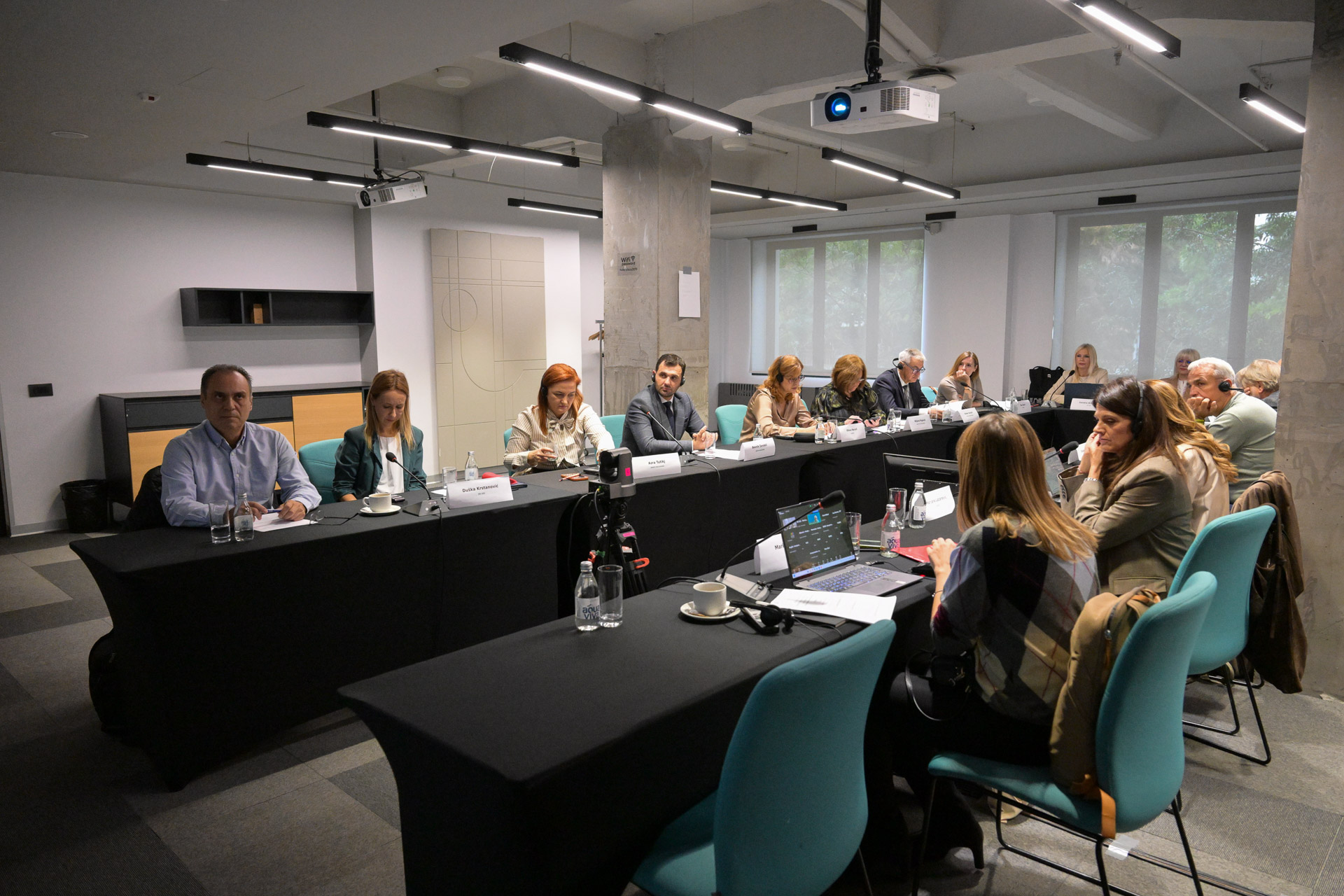
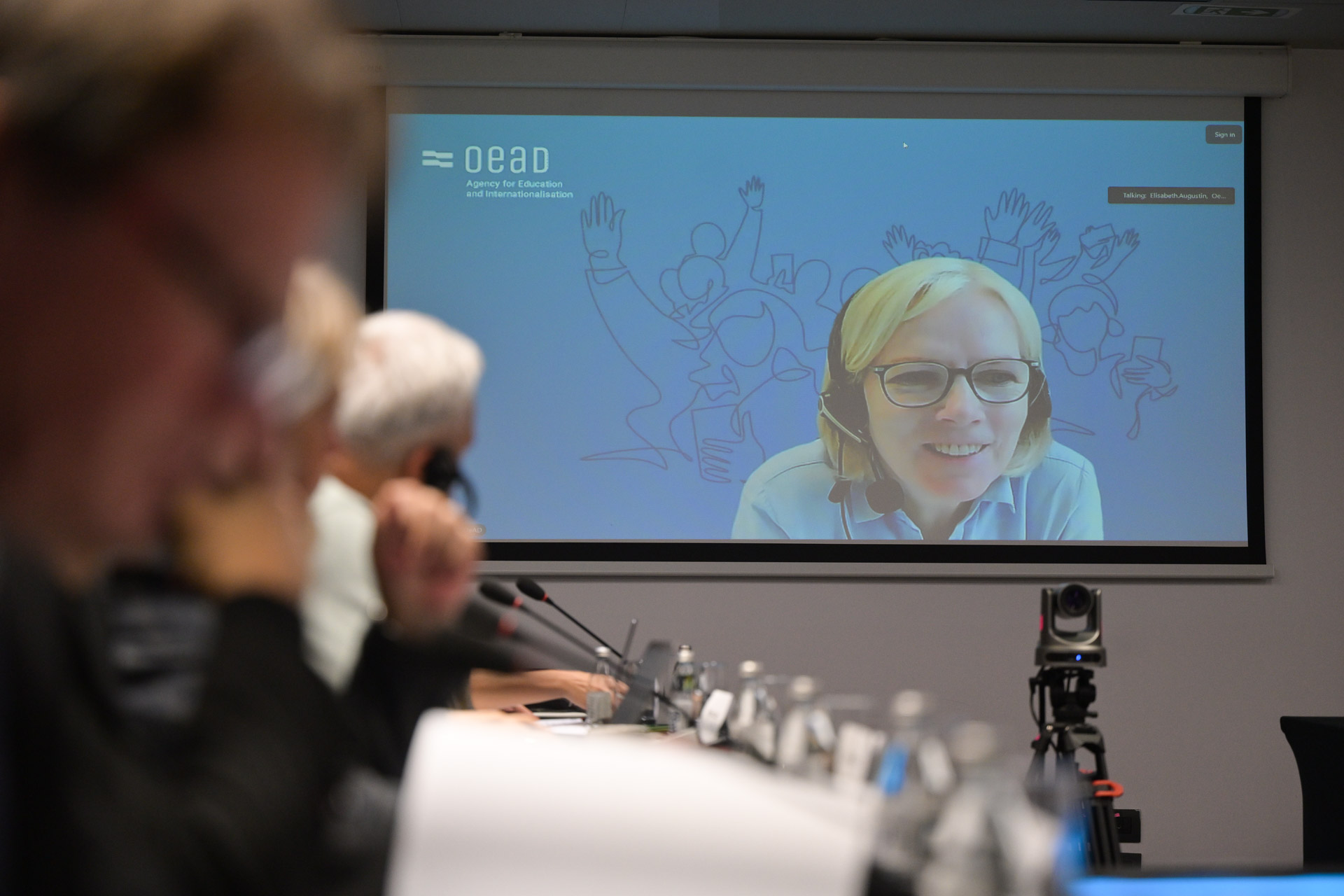
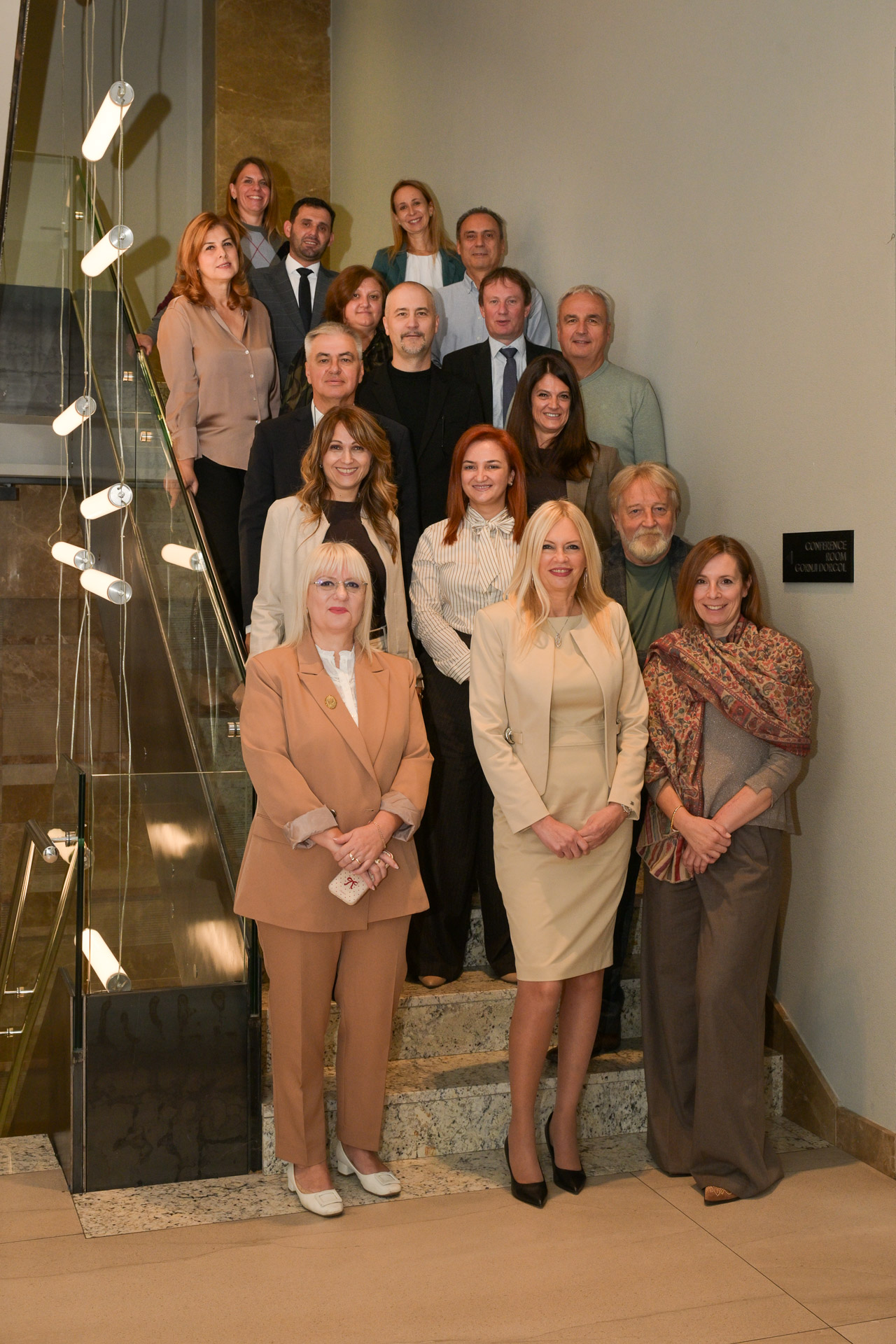
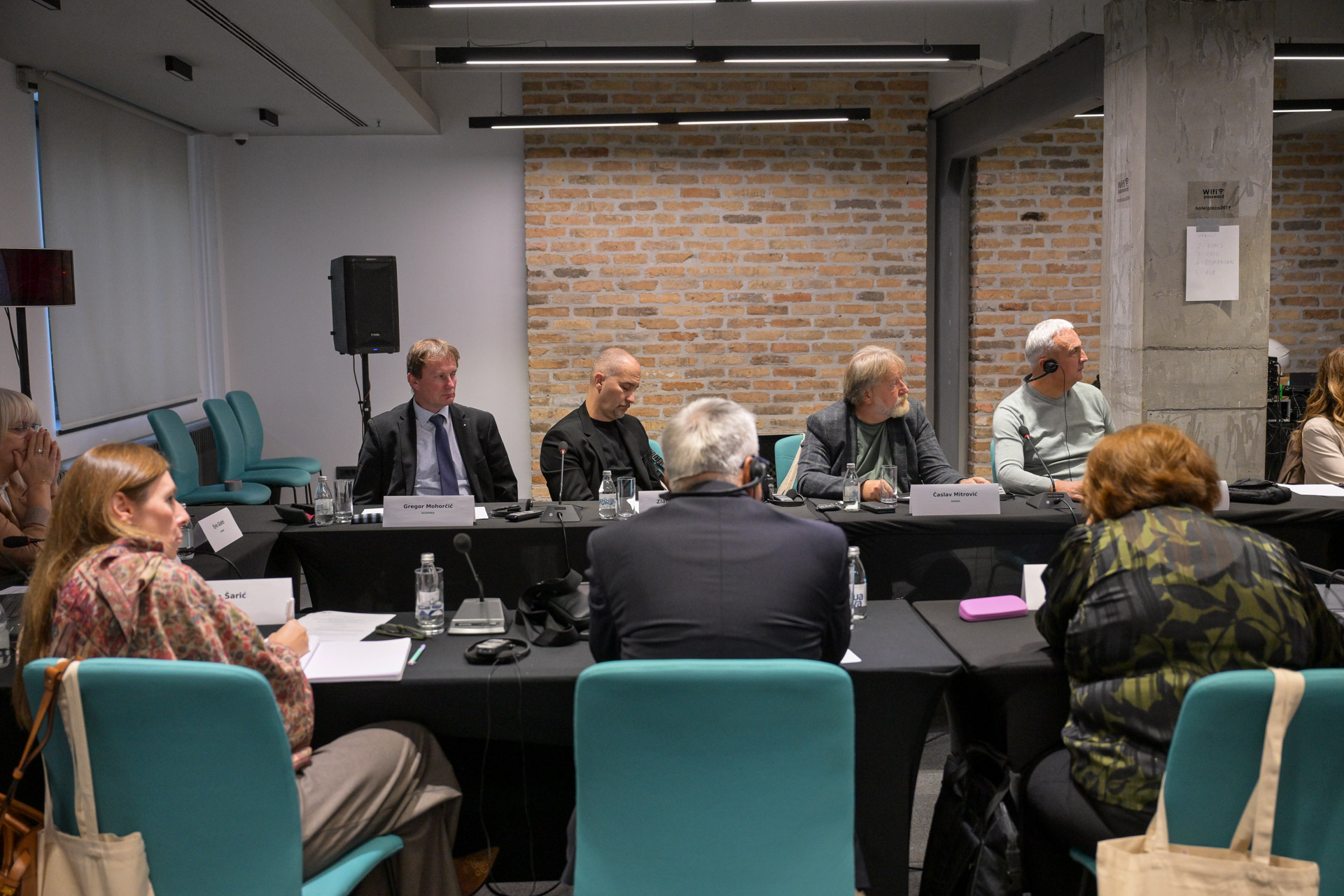
Held in a hybrid format, the two-day meeting brought together representatives of national institutions responsible for vocational education and training (VET), qualifications and quality assurance from Albania, Bosnia and Herzegovina, Croatia, Moldova, Montenegro, North Macedonia, Serbia and Slovenia. The meeting also welcomed experts and representatives from the European Training Foundation (ETF), the Austrian Agency for Education and Internationalisation (OeAD), the International Labour Organization (ILO), the World Alliance for Microcredentials (WAM), and the Delegation of the European Union to the Republic of Serbia.
The meeting provided a platform for exchanging experiences, discussing current developments in VET and identifying common priorities and practical opportunities for future regional cooperation.
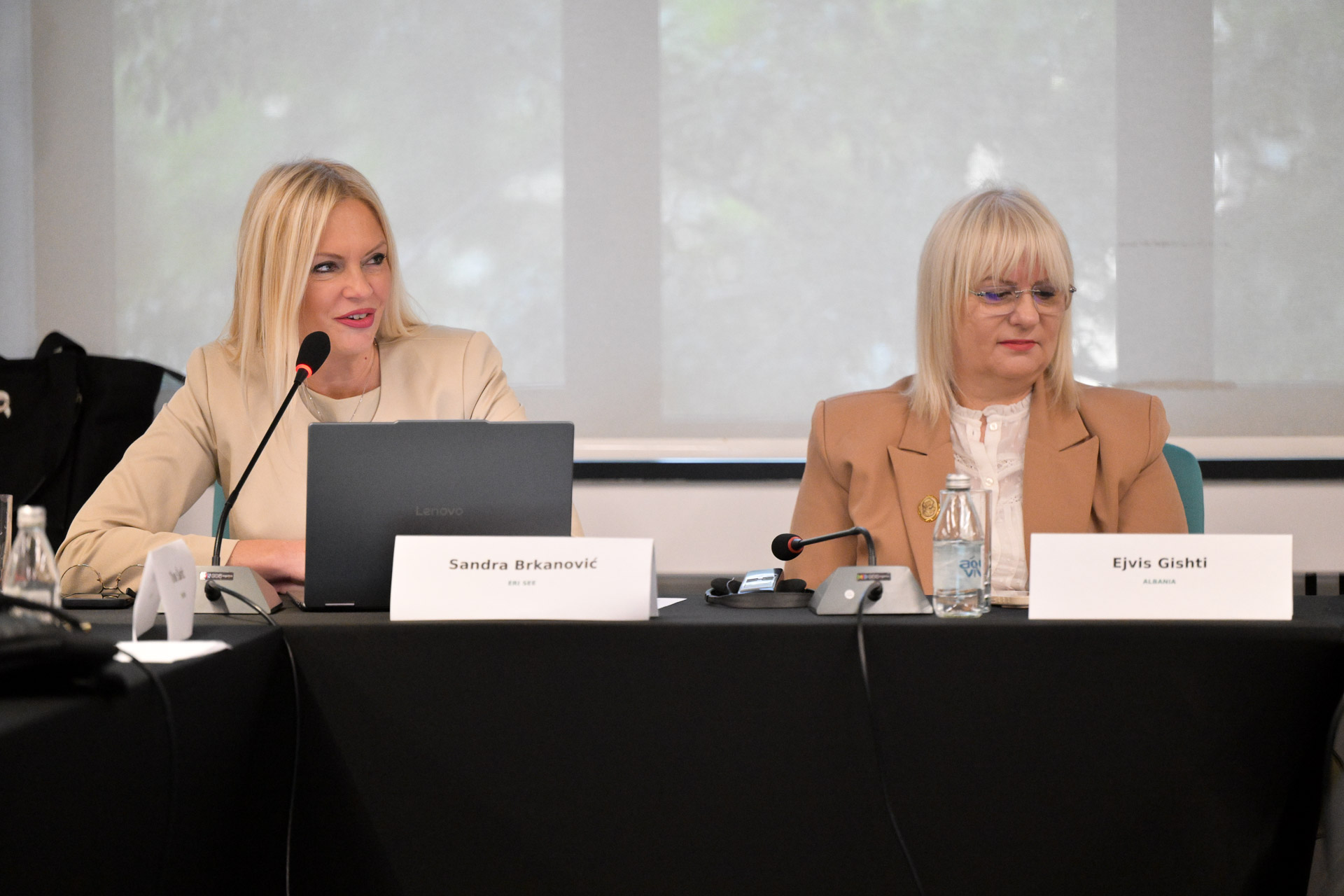
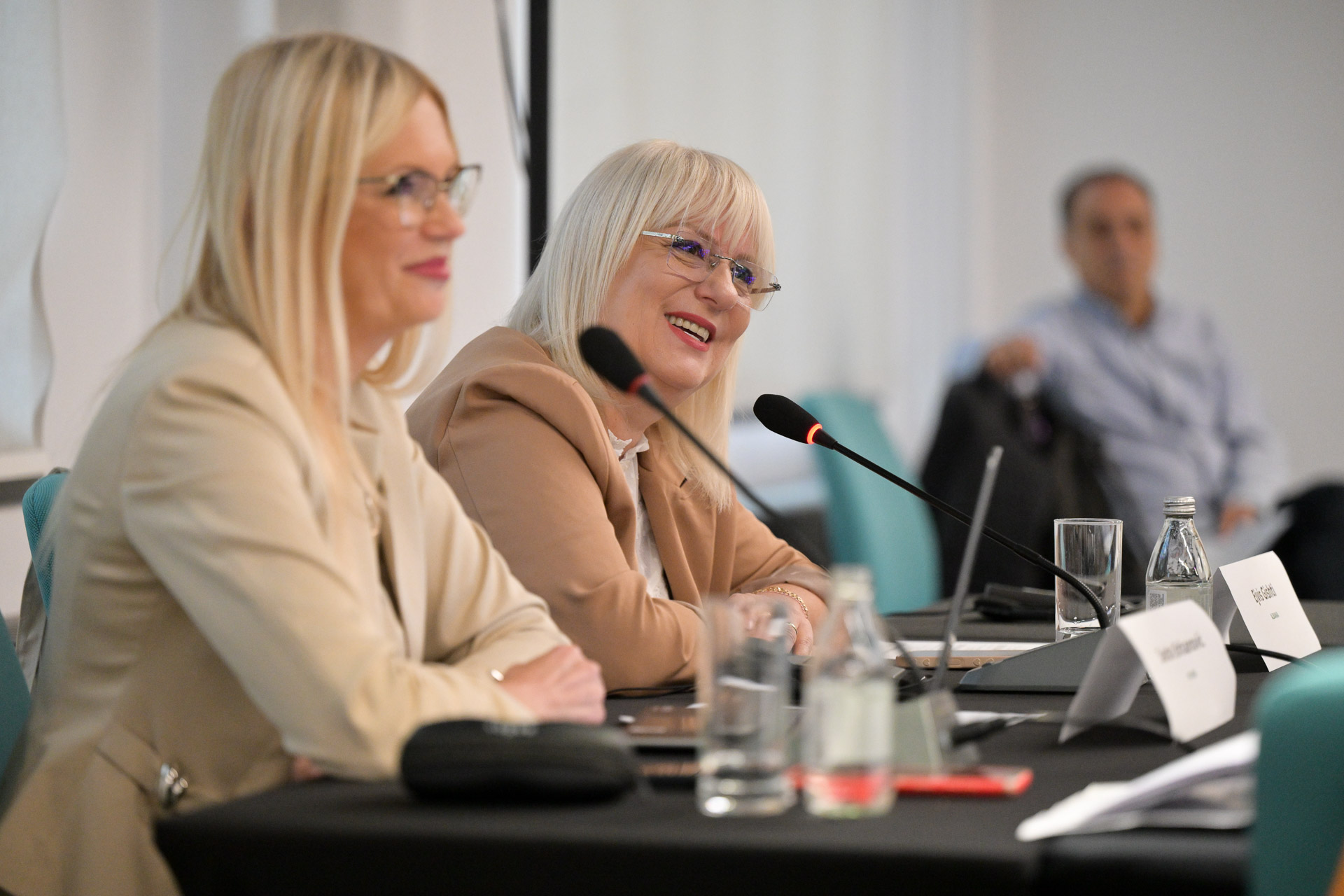
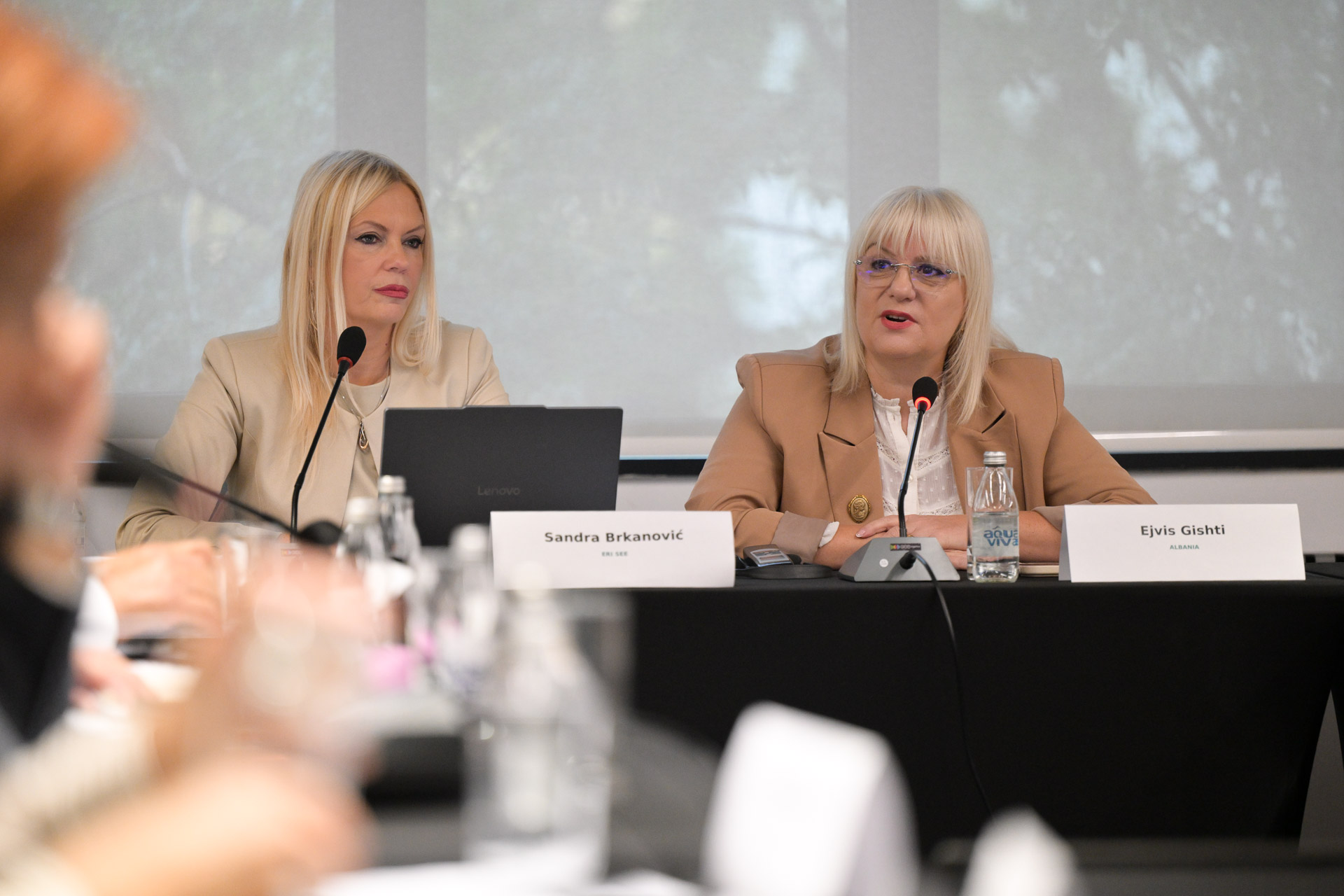
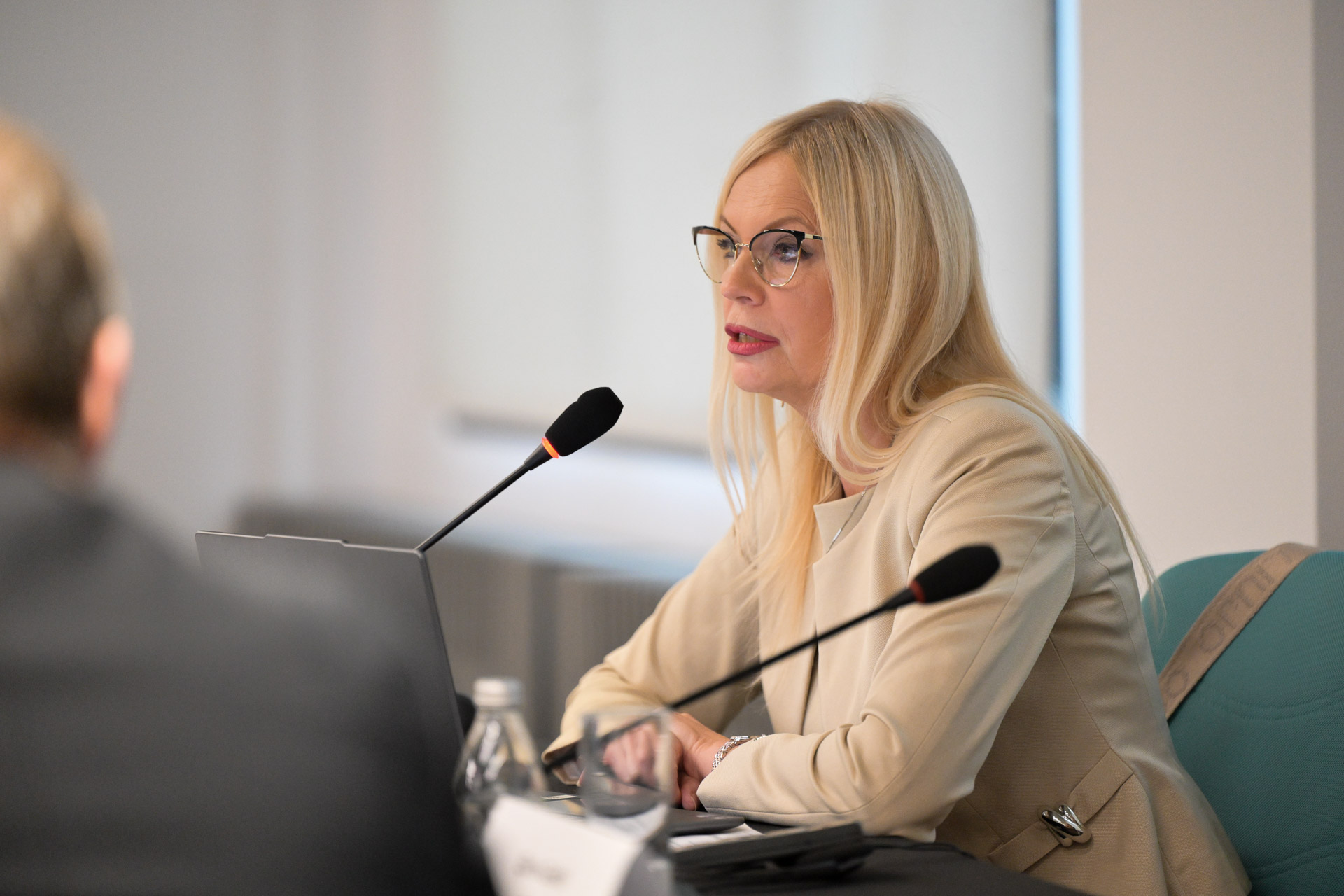
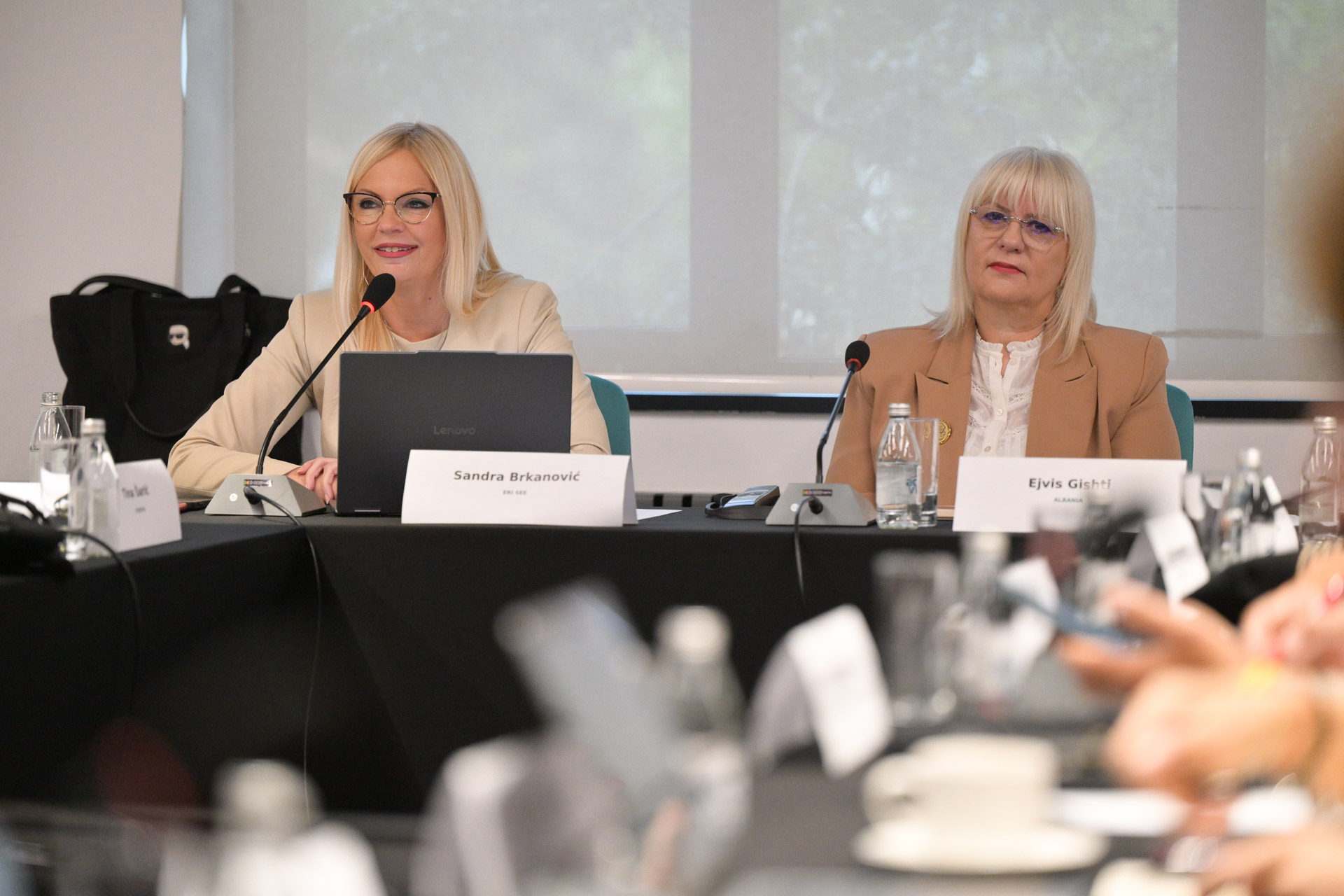
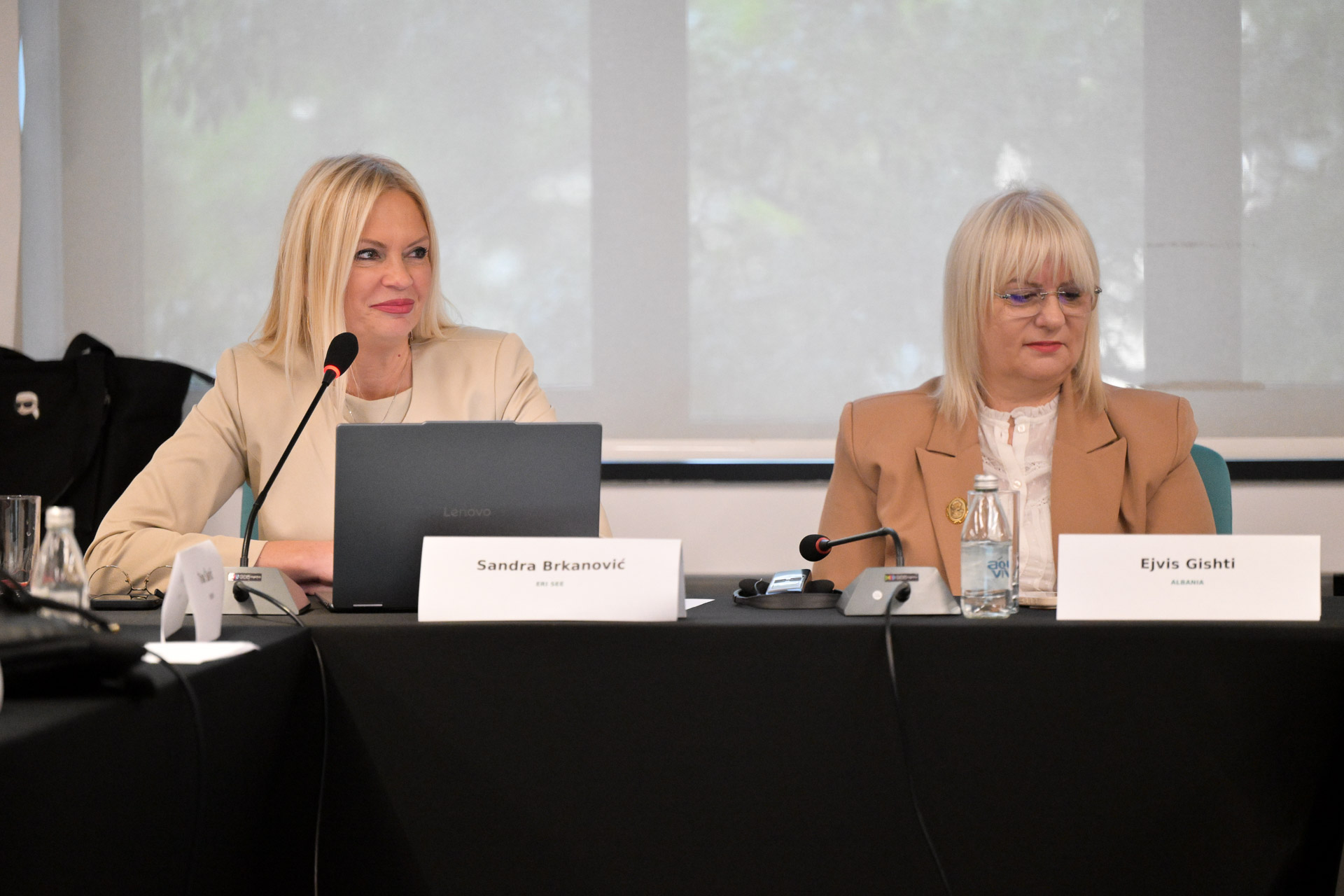
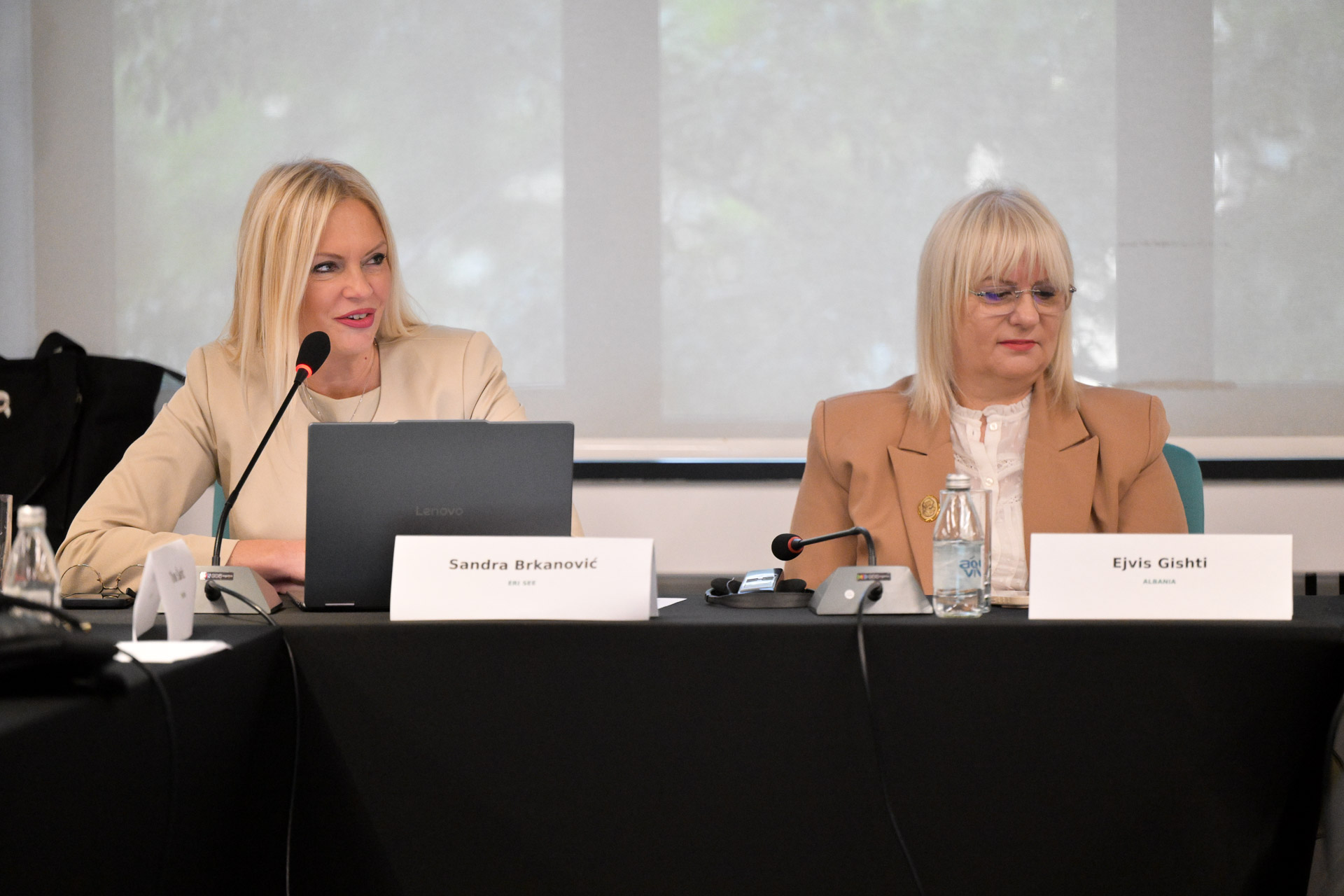
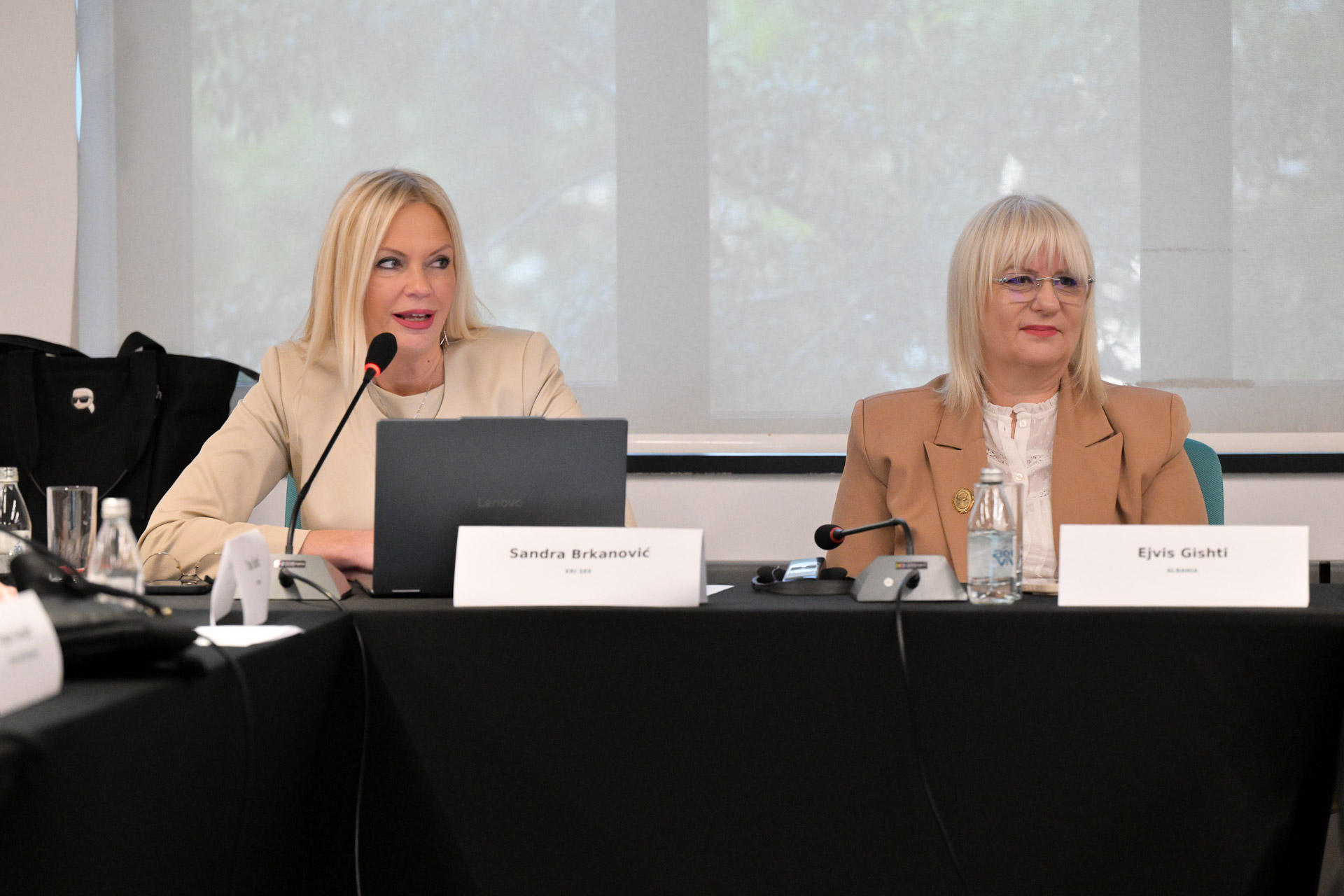
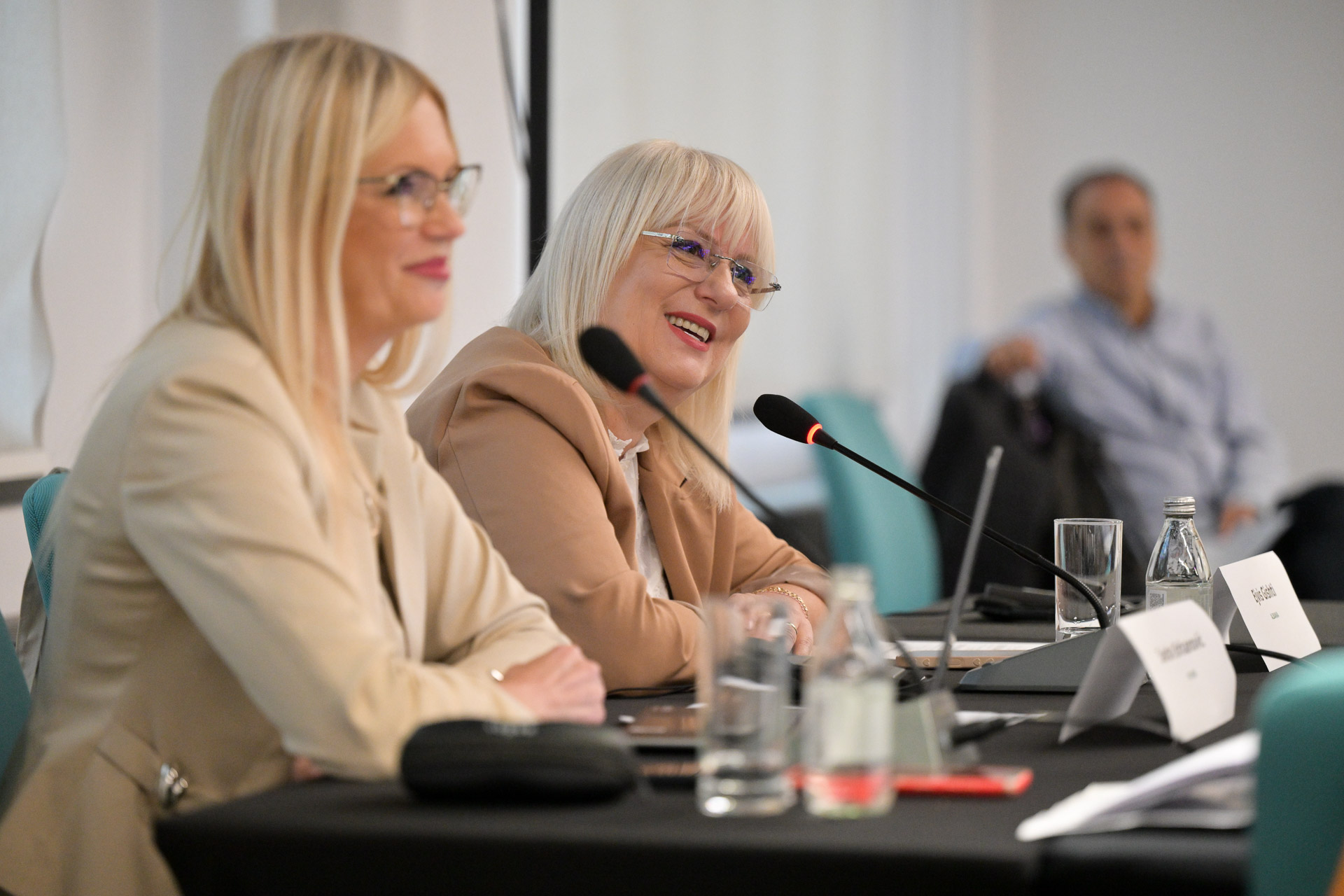
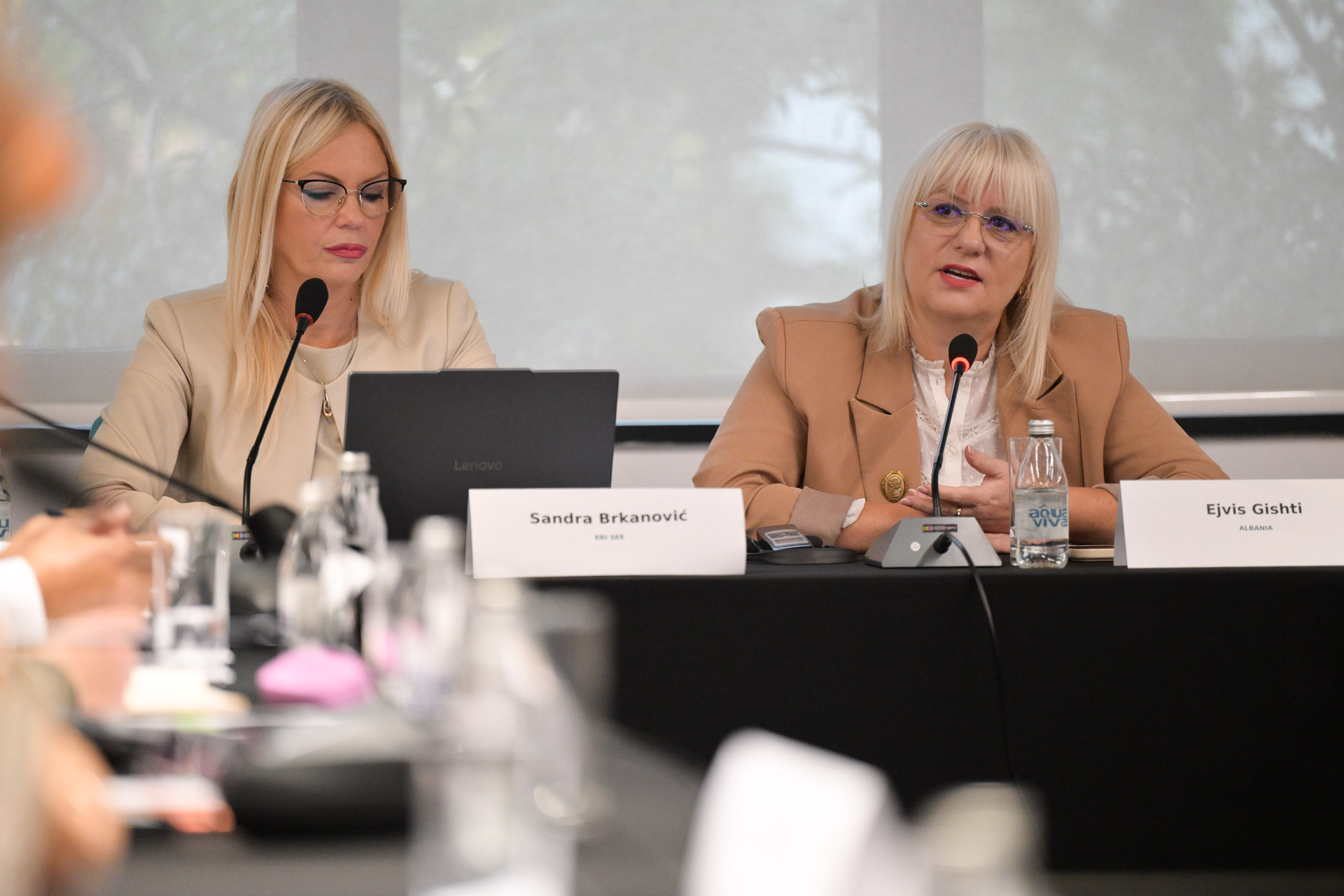
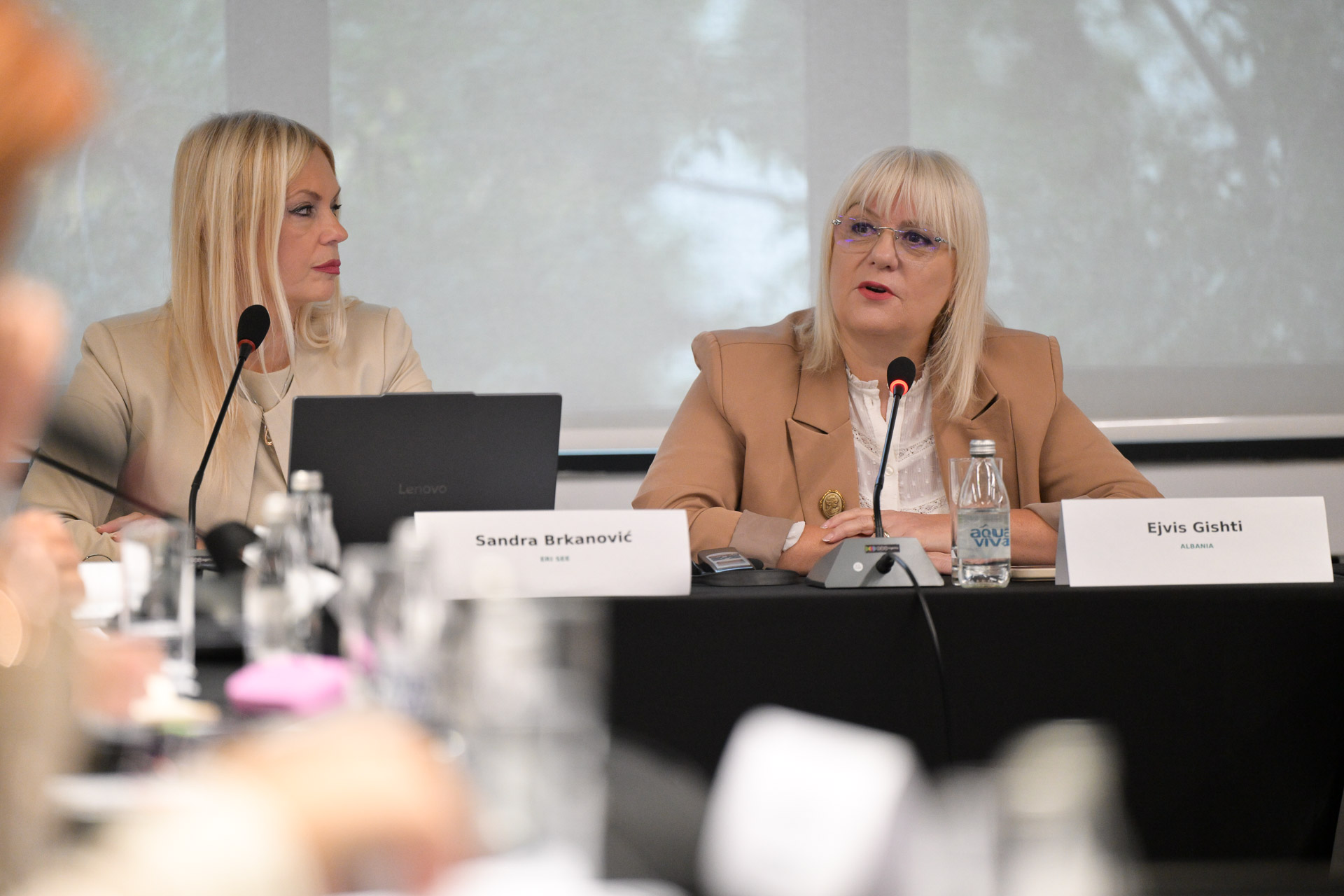
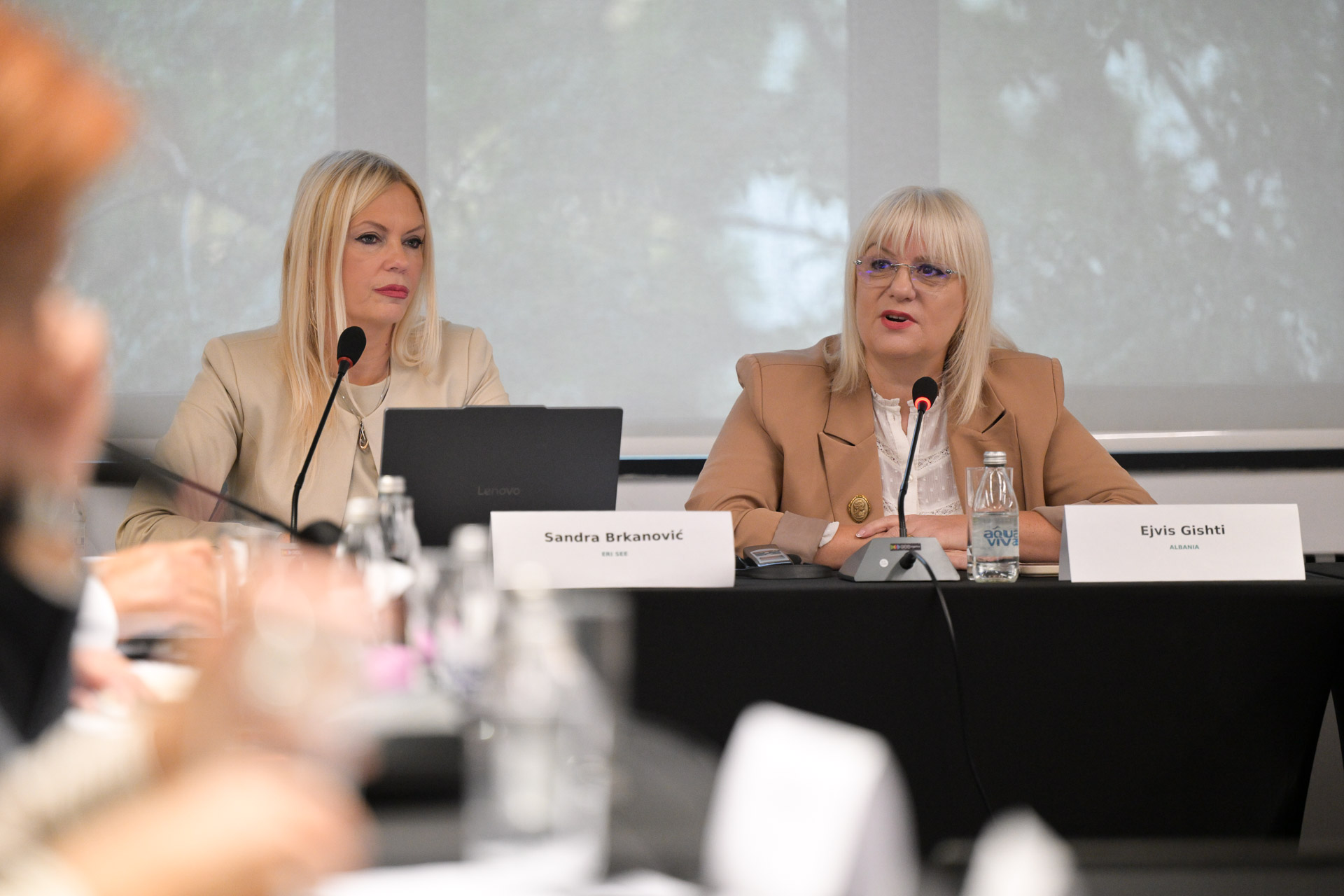
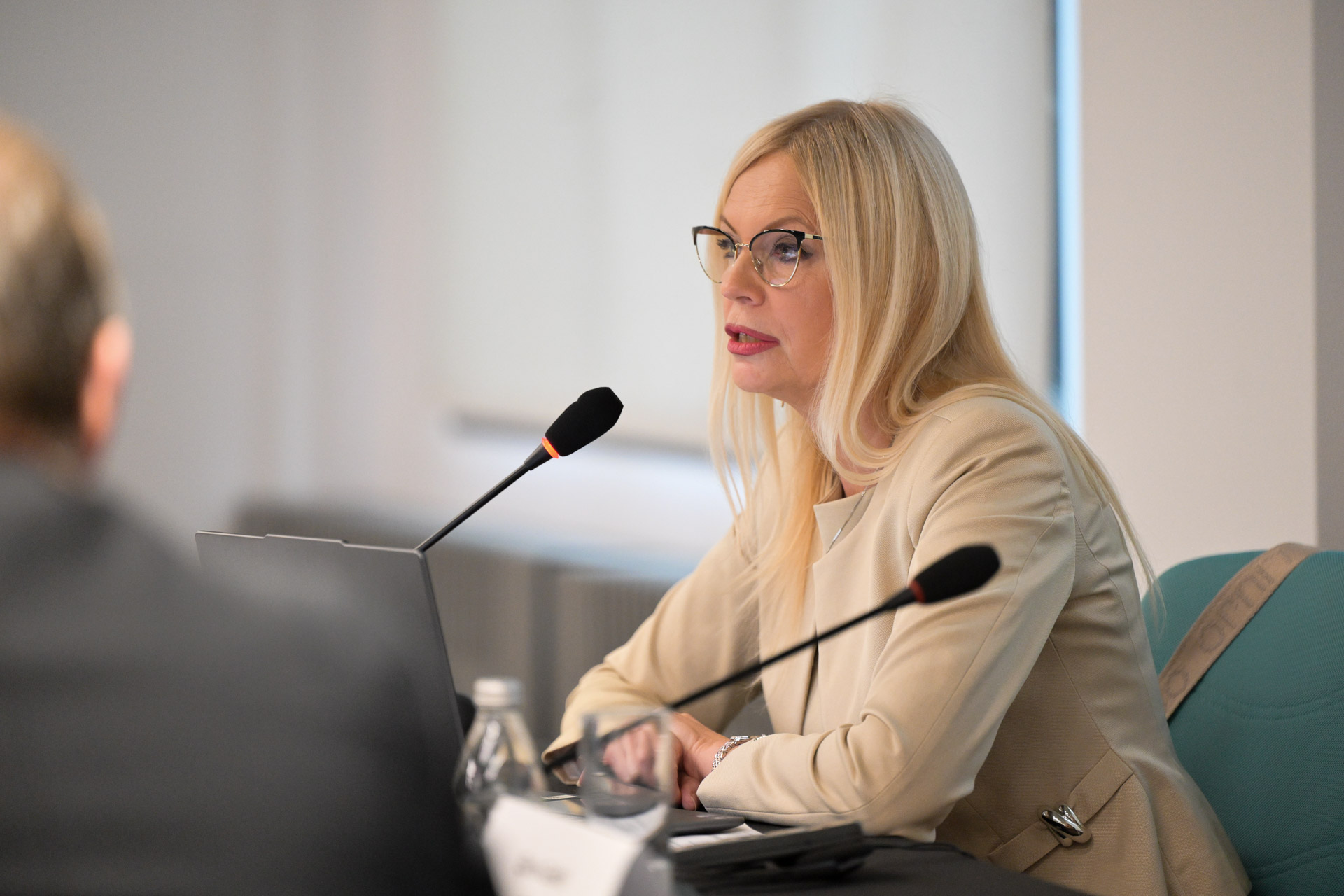
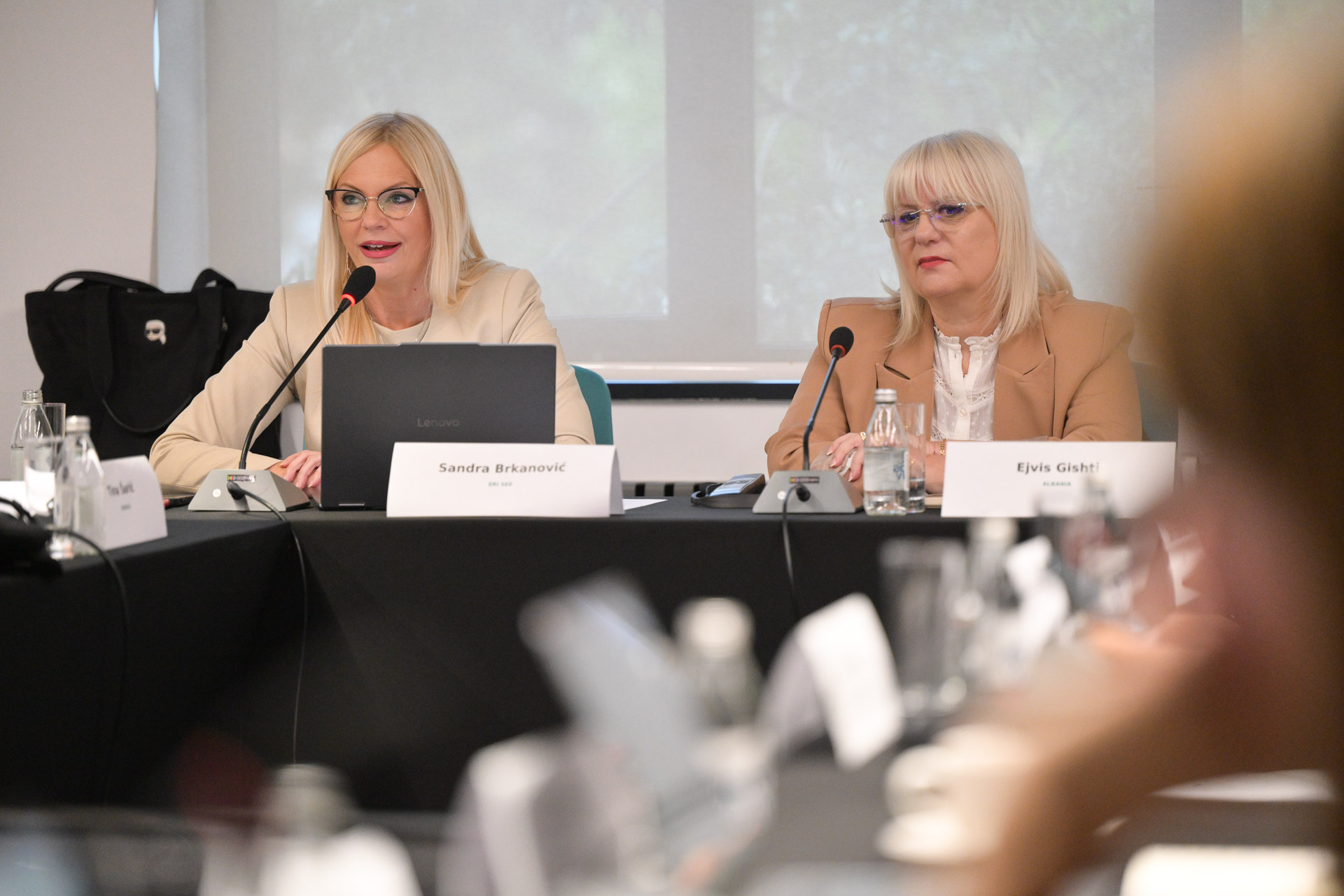
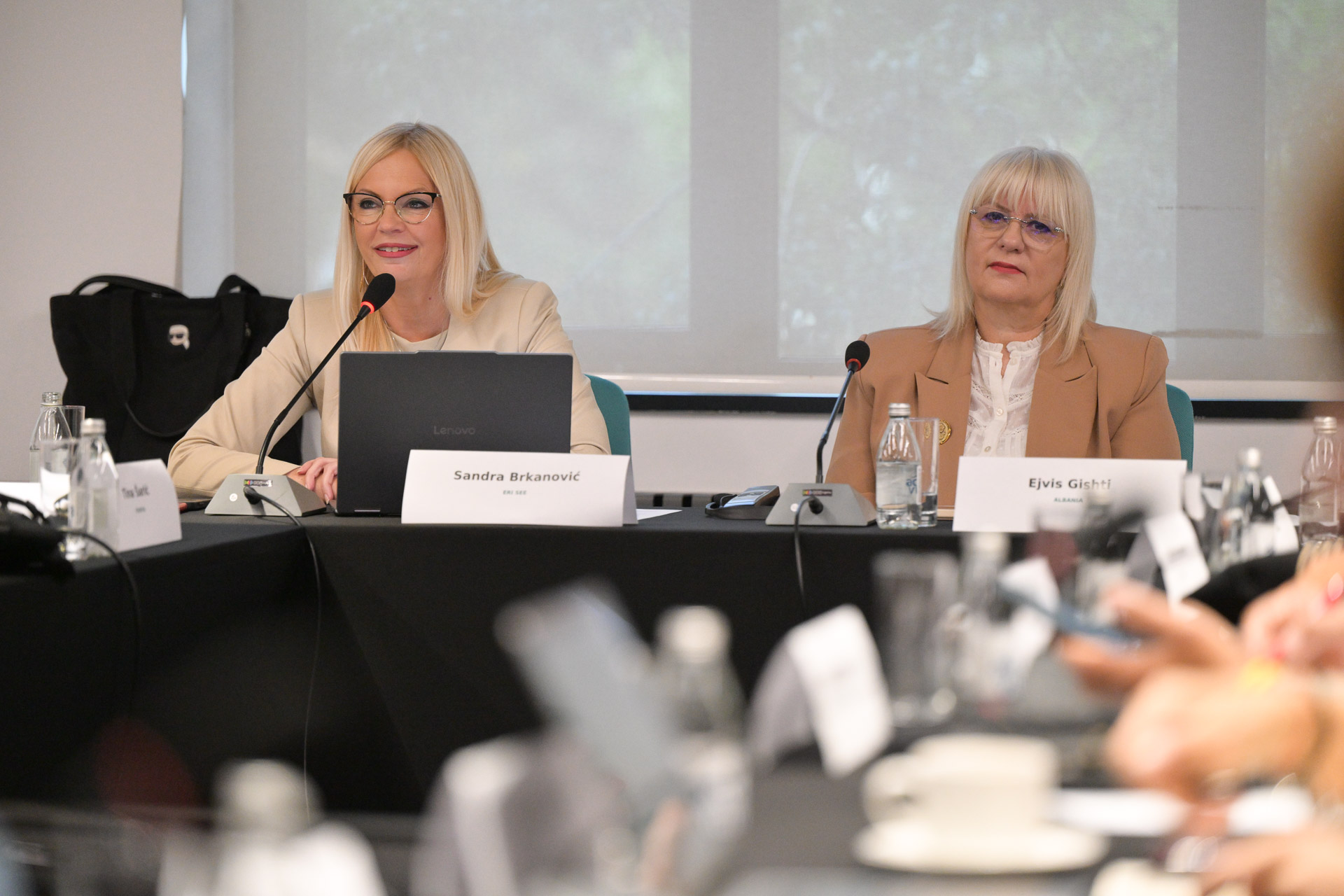
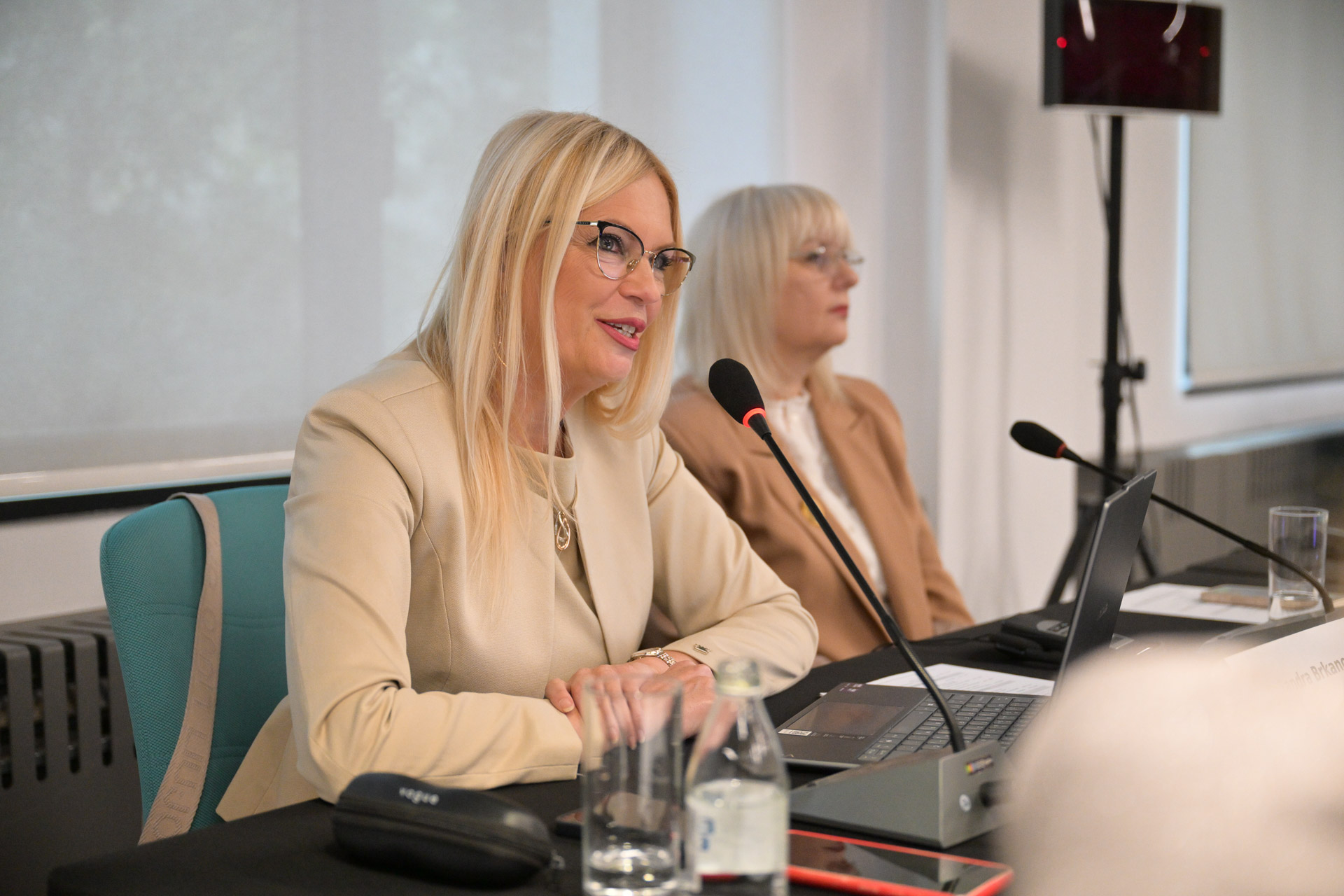
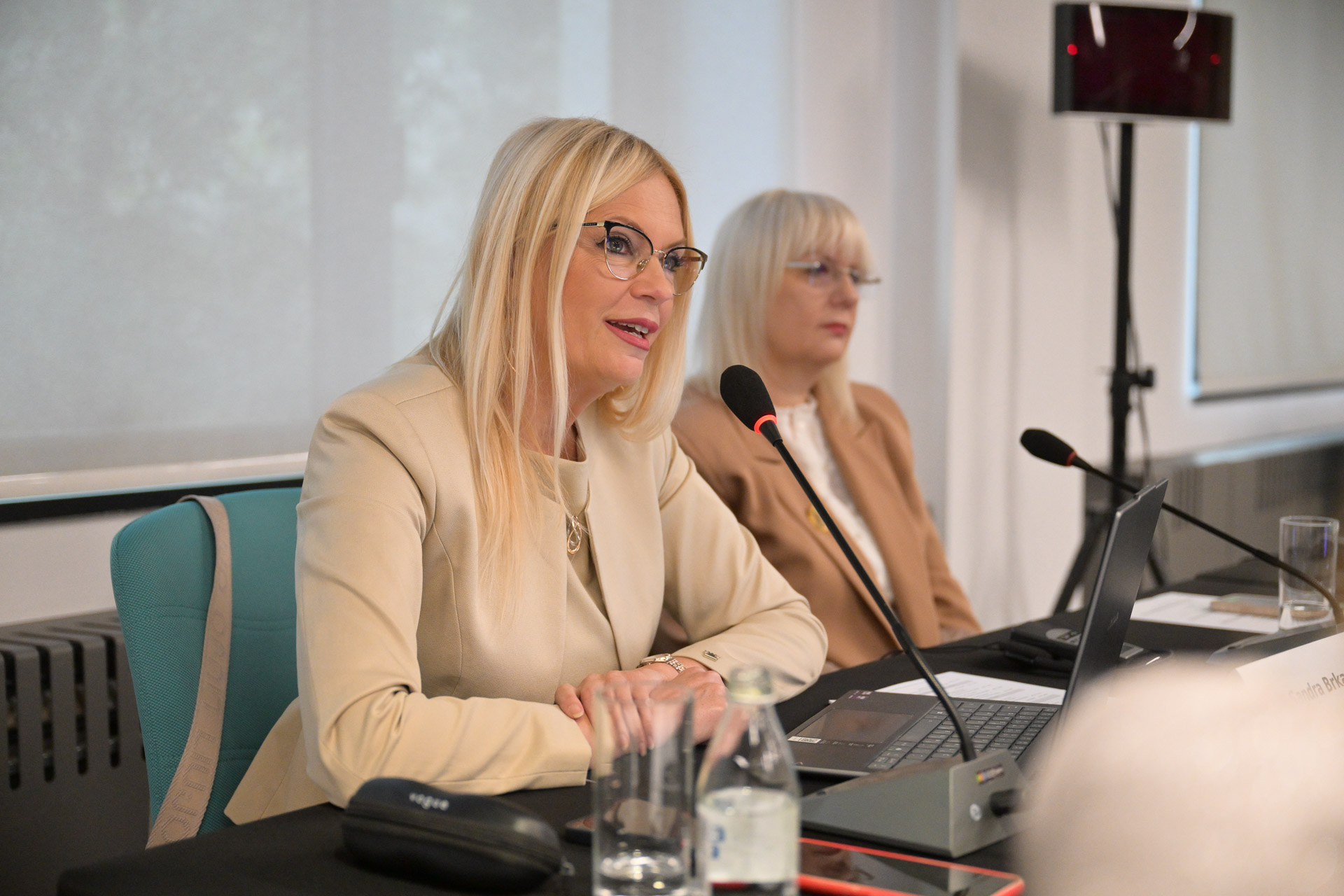
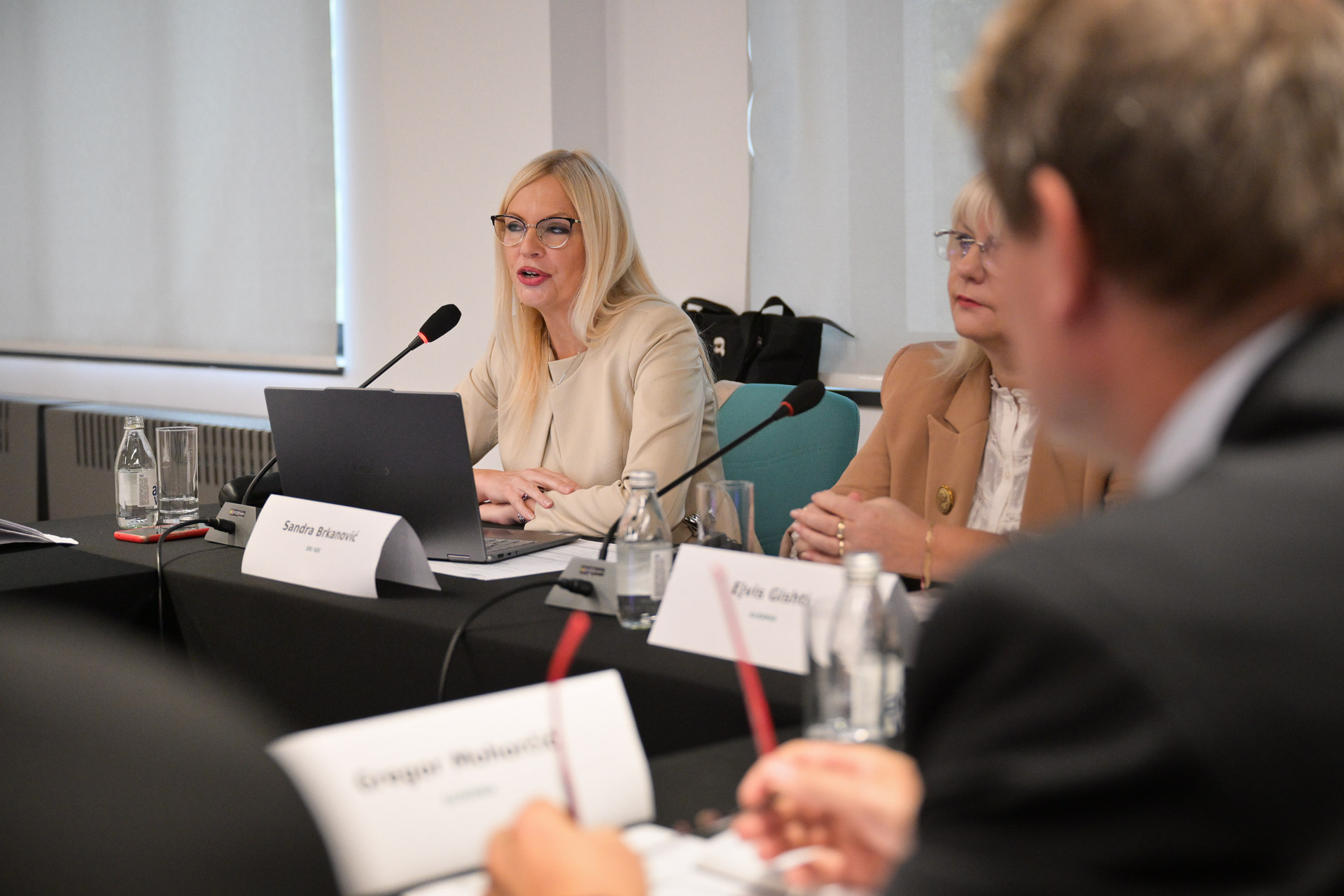
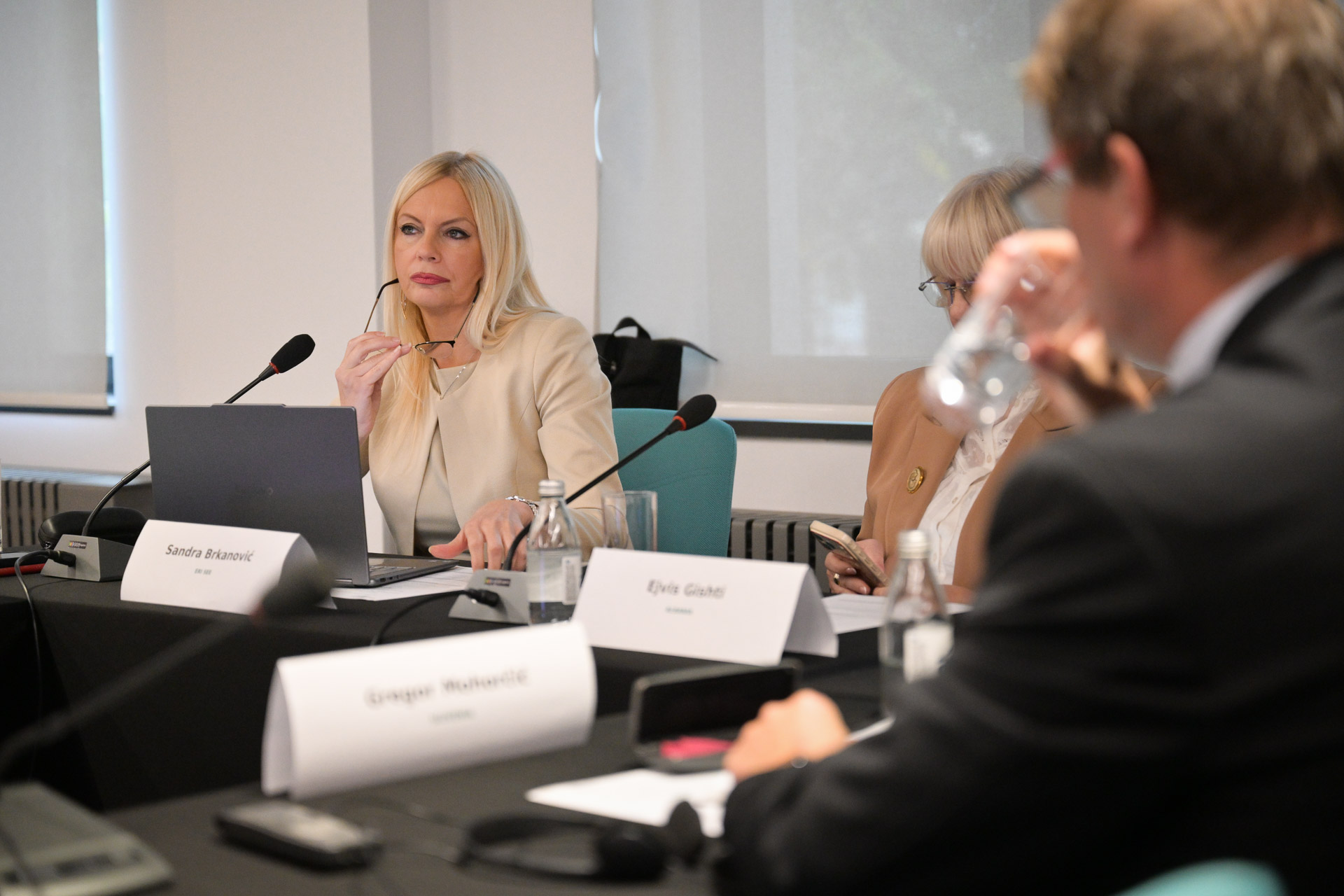
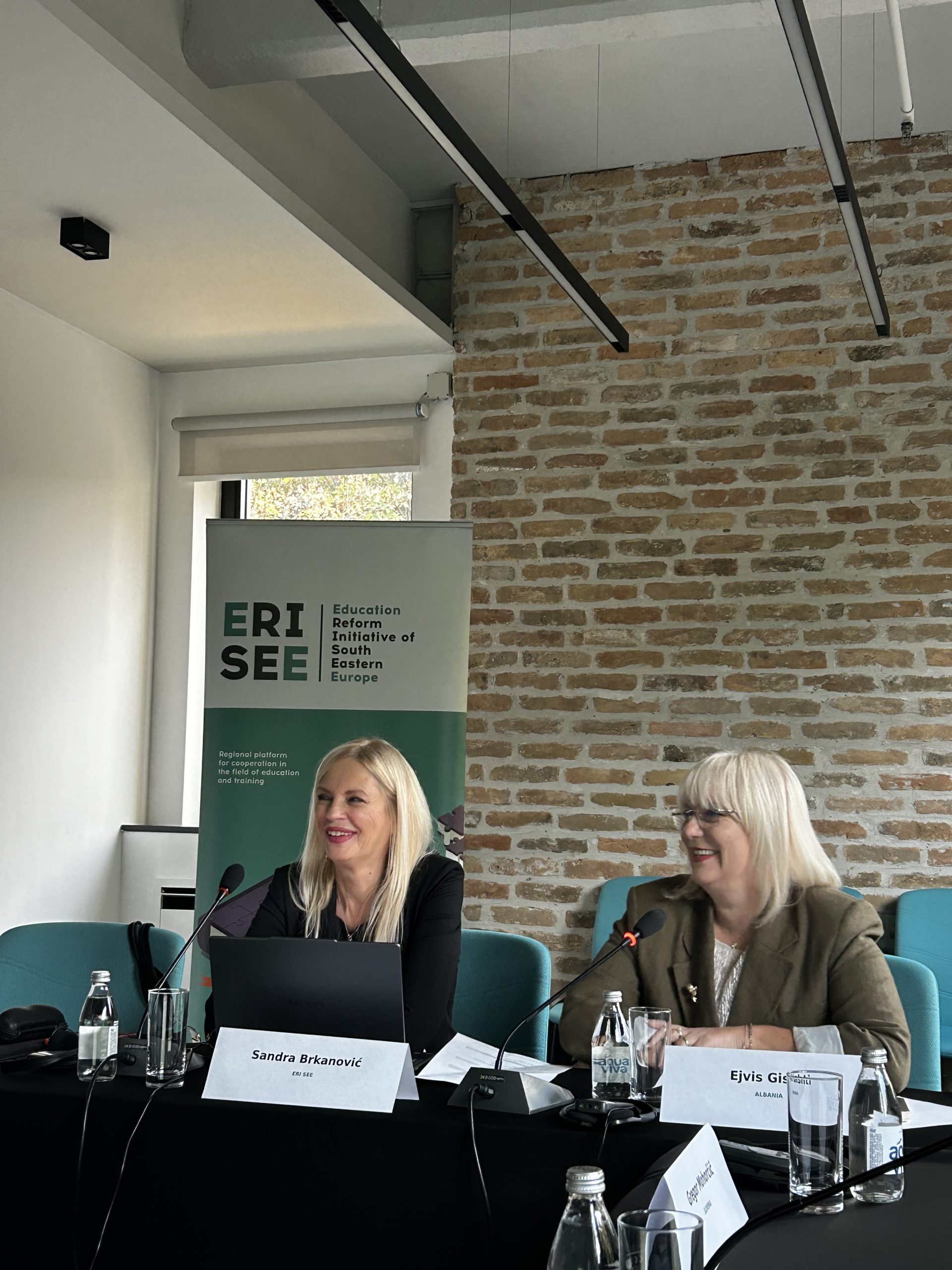
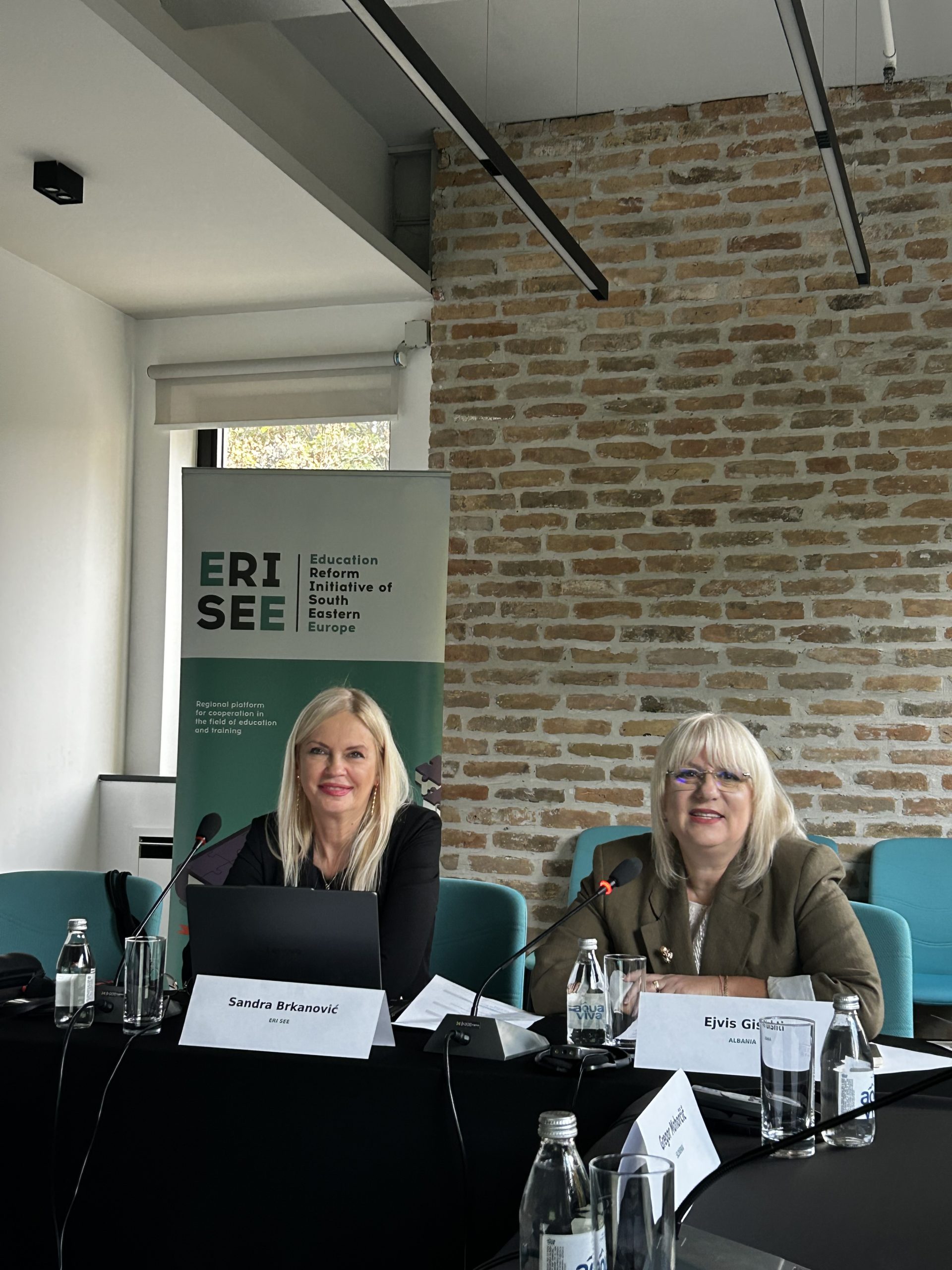
The meeting was opened by Sandra Brkanović, Director of the ERI SEE Secretariat, and Ejvis Gishti, Chair of SEE VET Net and Director General of Albania’s National Agency for Vocational Education and Training and Qualifications (NAVETQ). They welcomed participants and highlighted the importance of maintaining a strong regional network that enables its members to learn from one another and develop joint responses to shared challenges and changing skills needs.
European Perspectives and Developments in VET
The first day began with contributions on European priorities, flexible learning pathways and recent developments in VET systems.
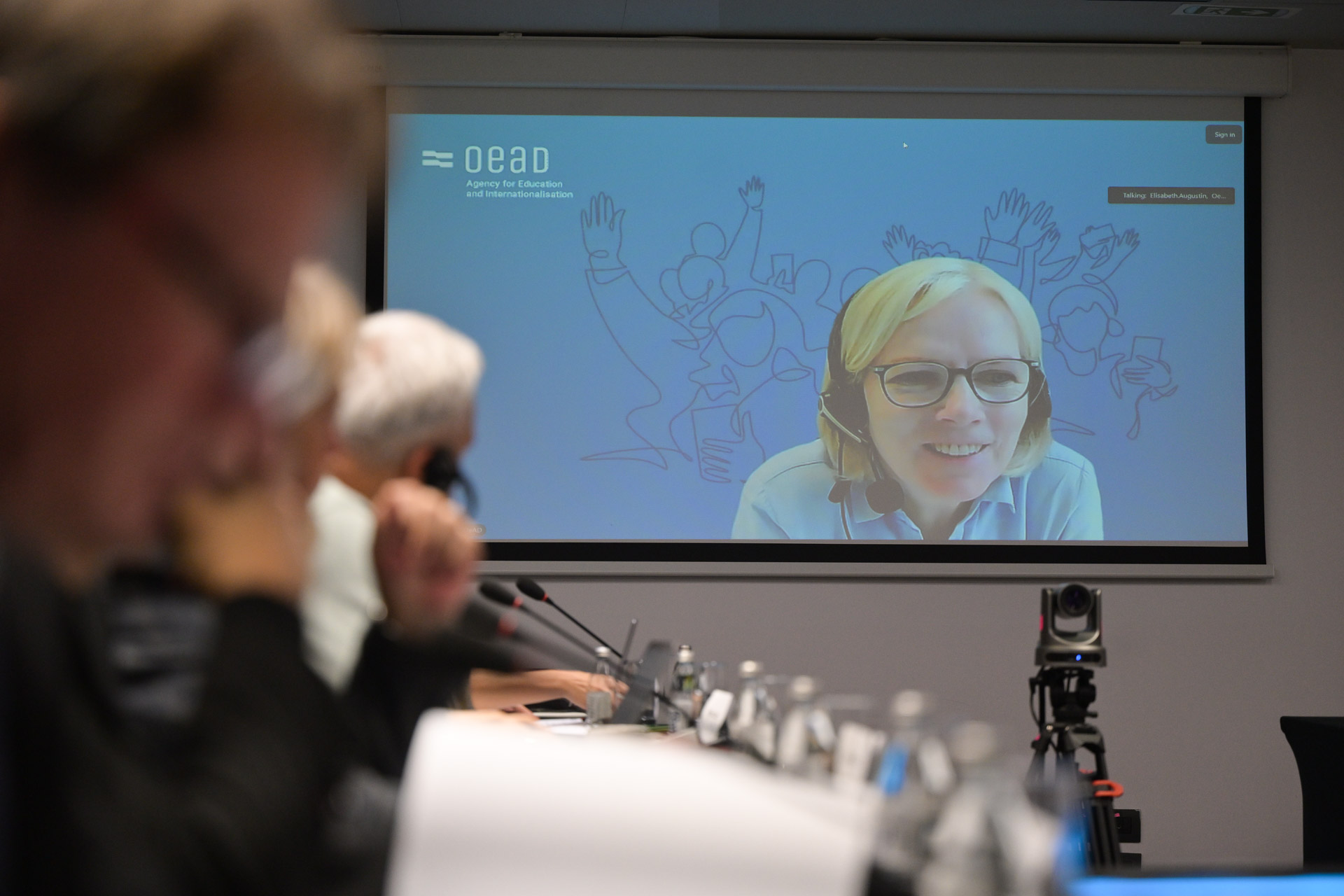
Elisabeth Augustin, Head of Department for Education Cooperation with Eastern and South-Eastern Europe at OeAD and a member of the ERI SEE Governing Board, provided an update on the transition of OeAD’s programme for educational cooperation with Eastern and South-Eastern Europe and Austria. She also introduced a newly approved Erasmus+ project on micro-credentials, opening opportunities for the ERI SEE community to exchange experiences and benefit from its future findings.
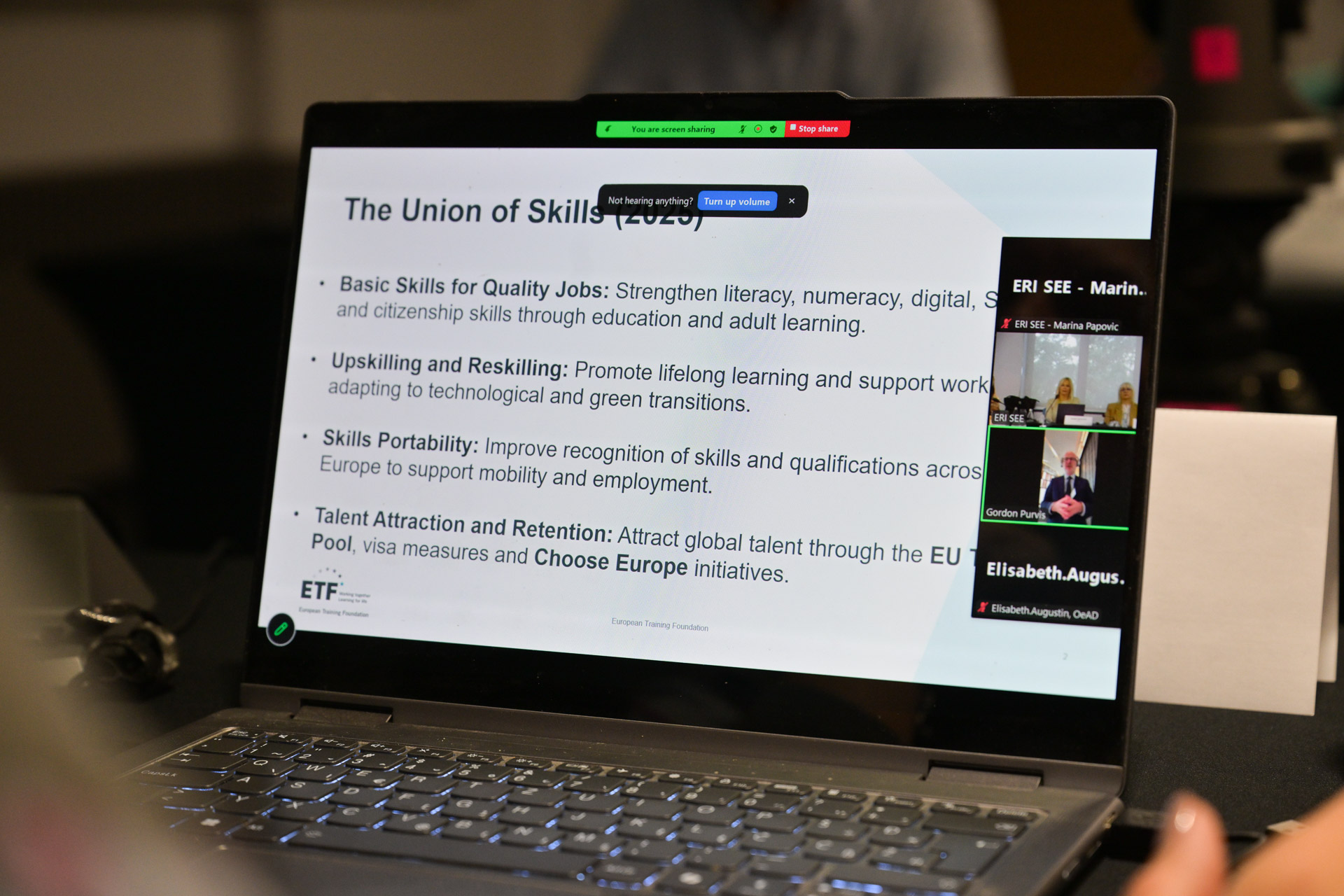
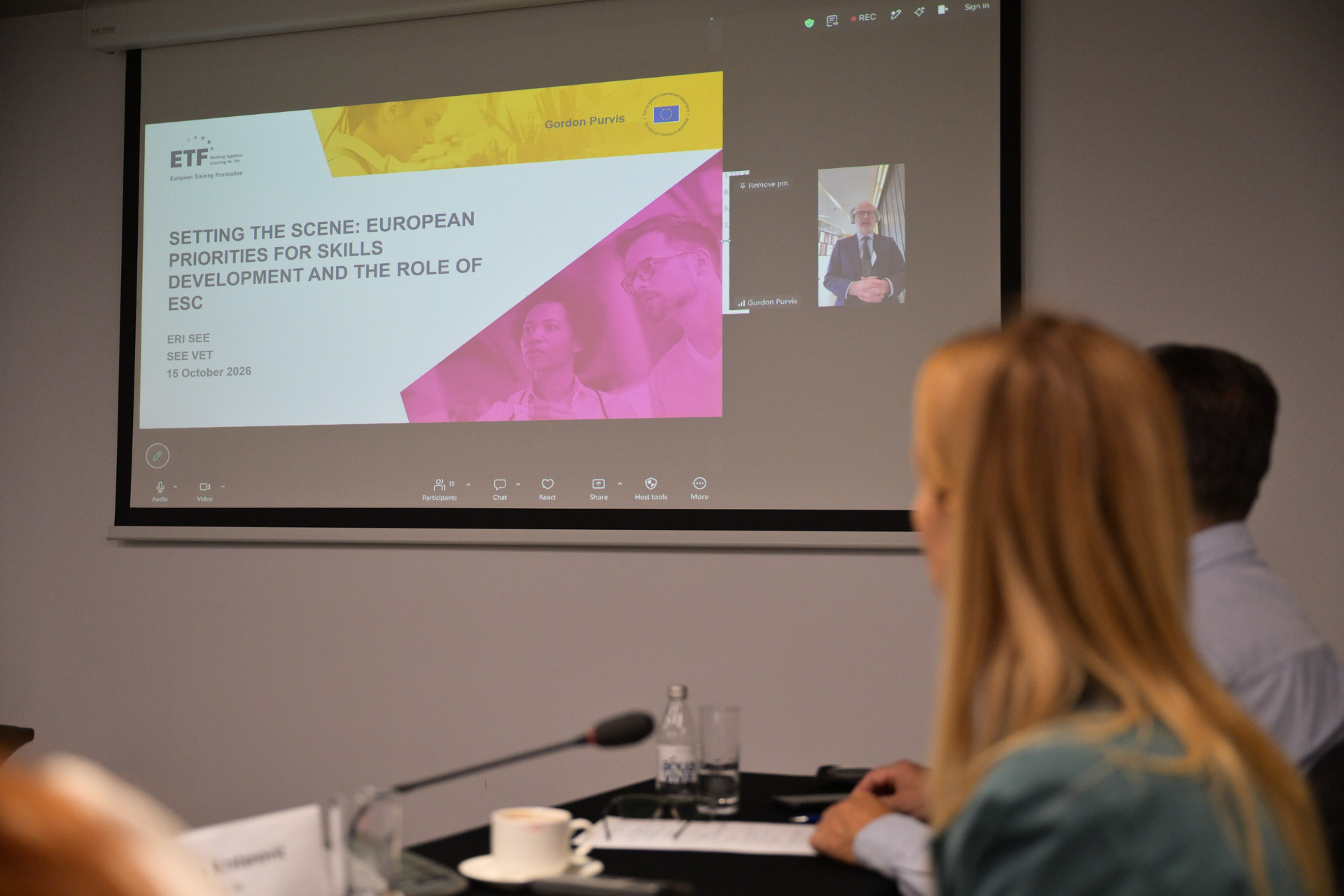
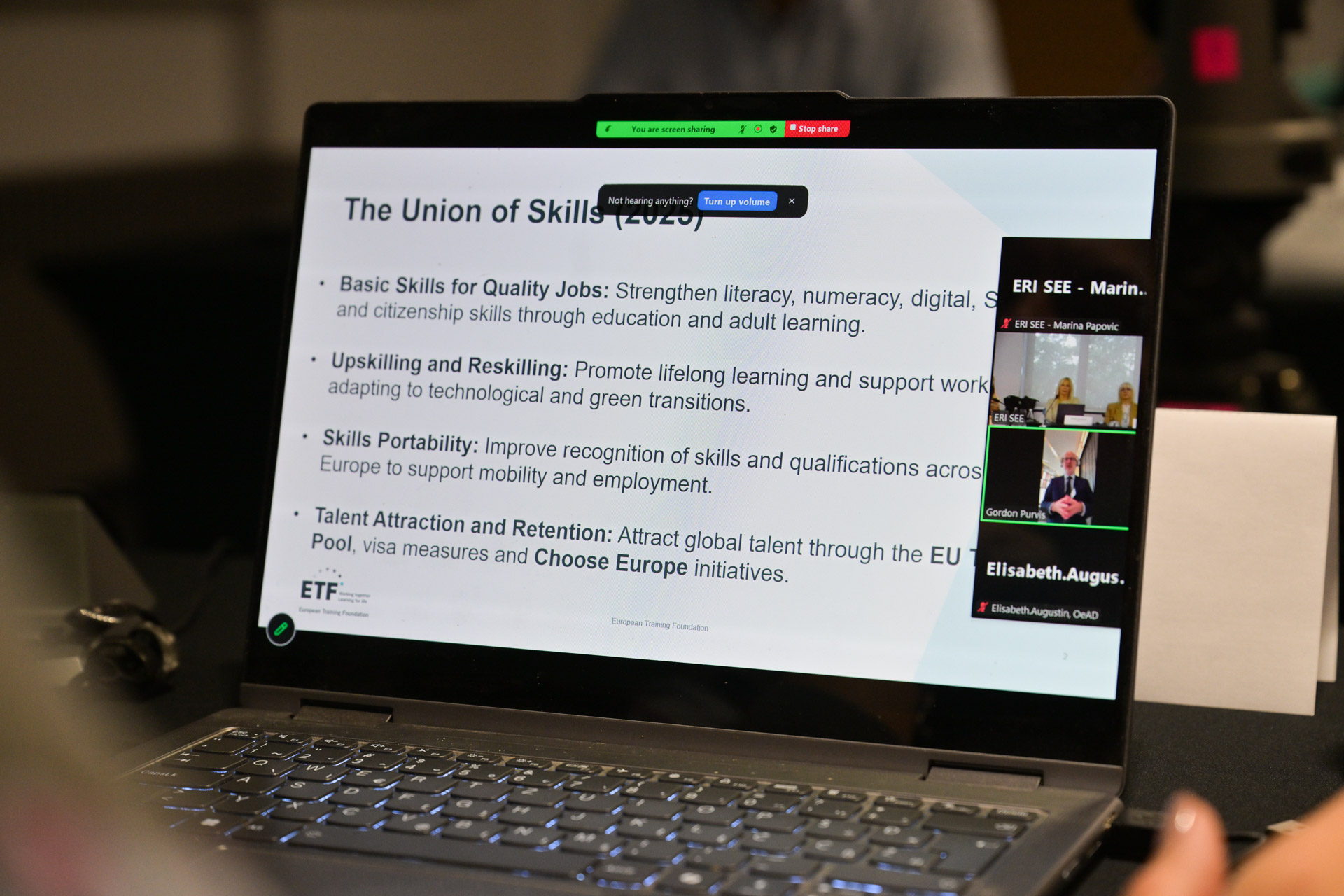
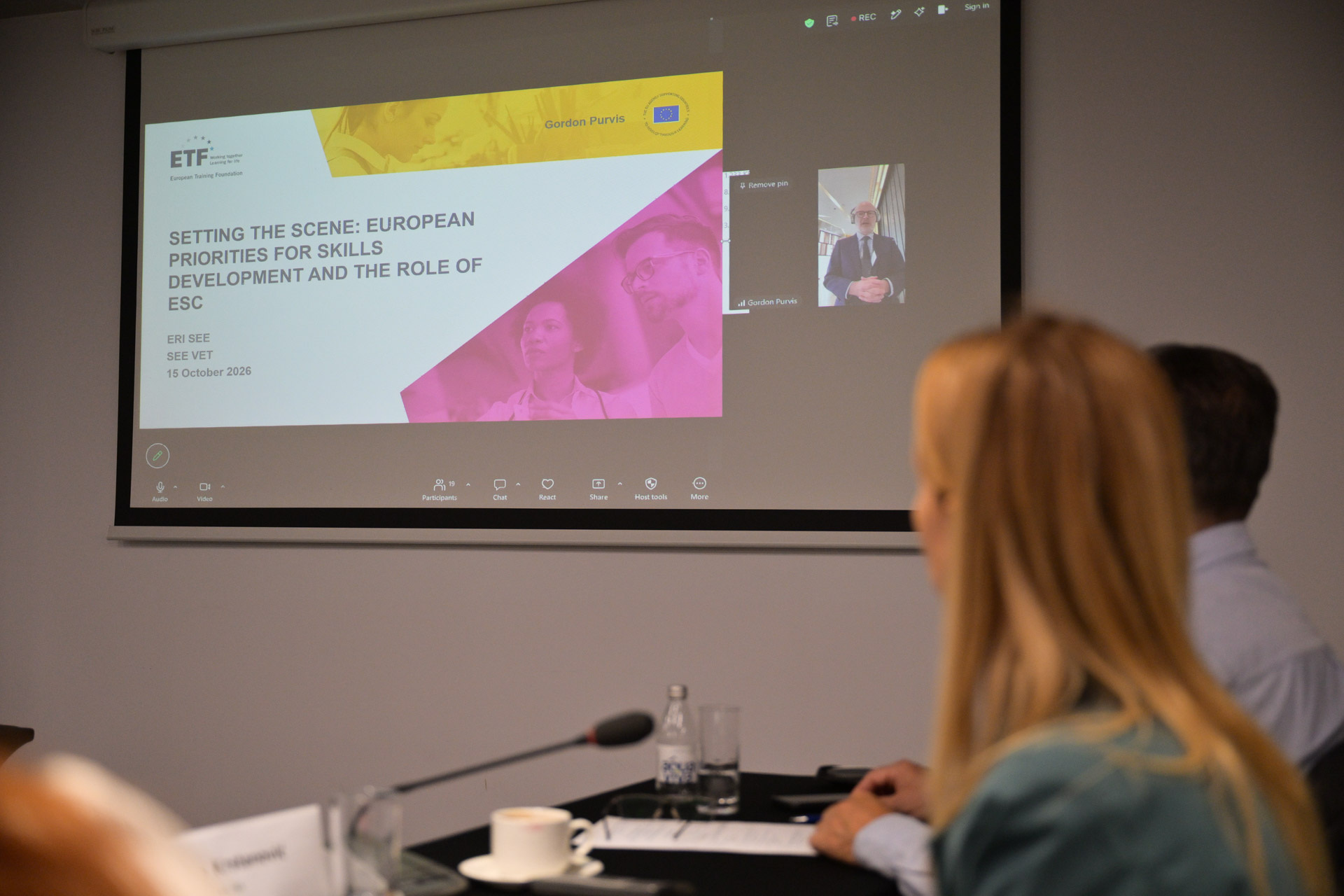
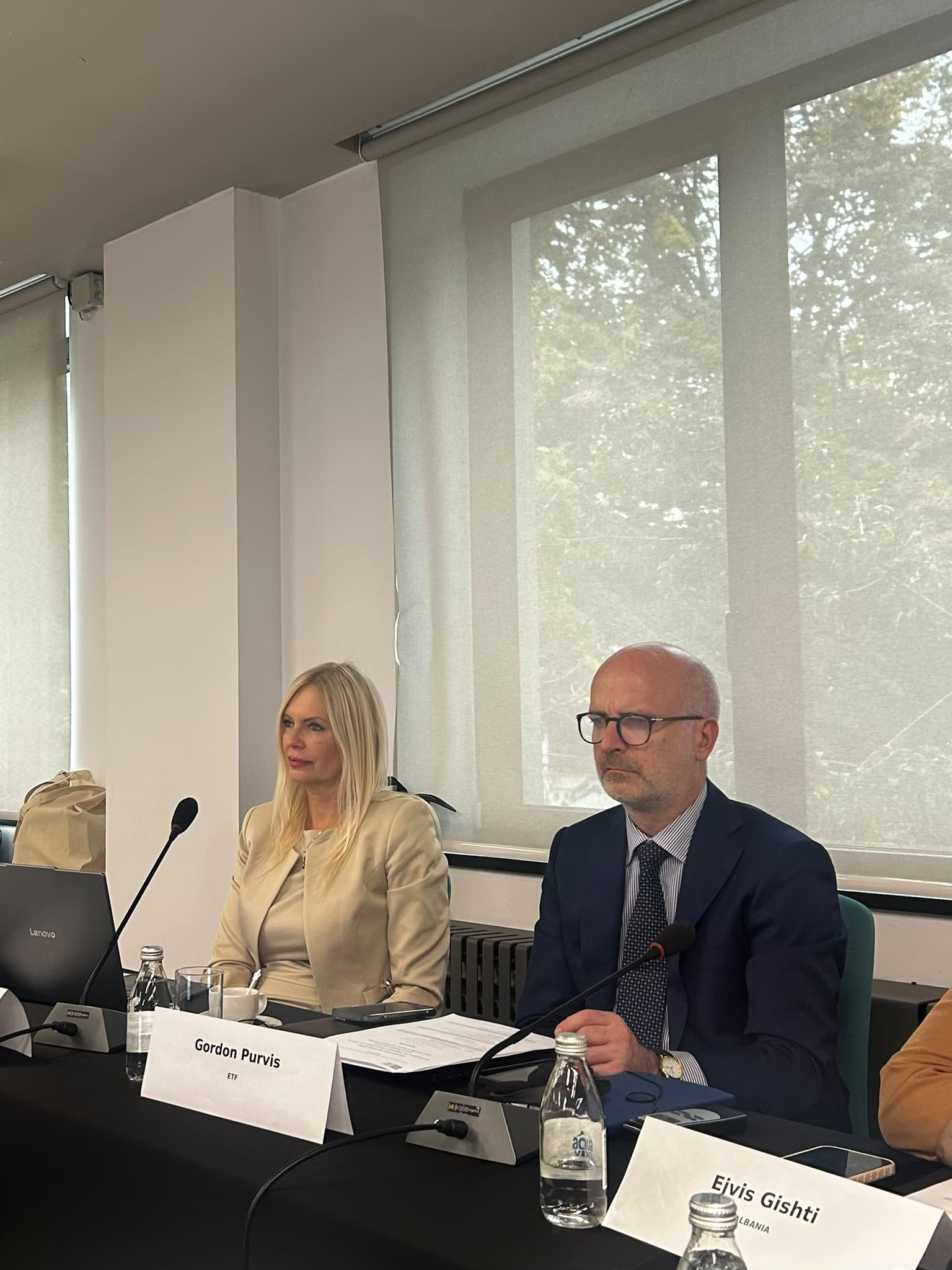
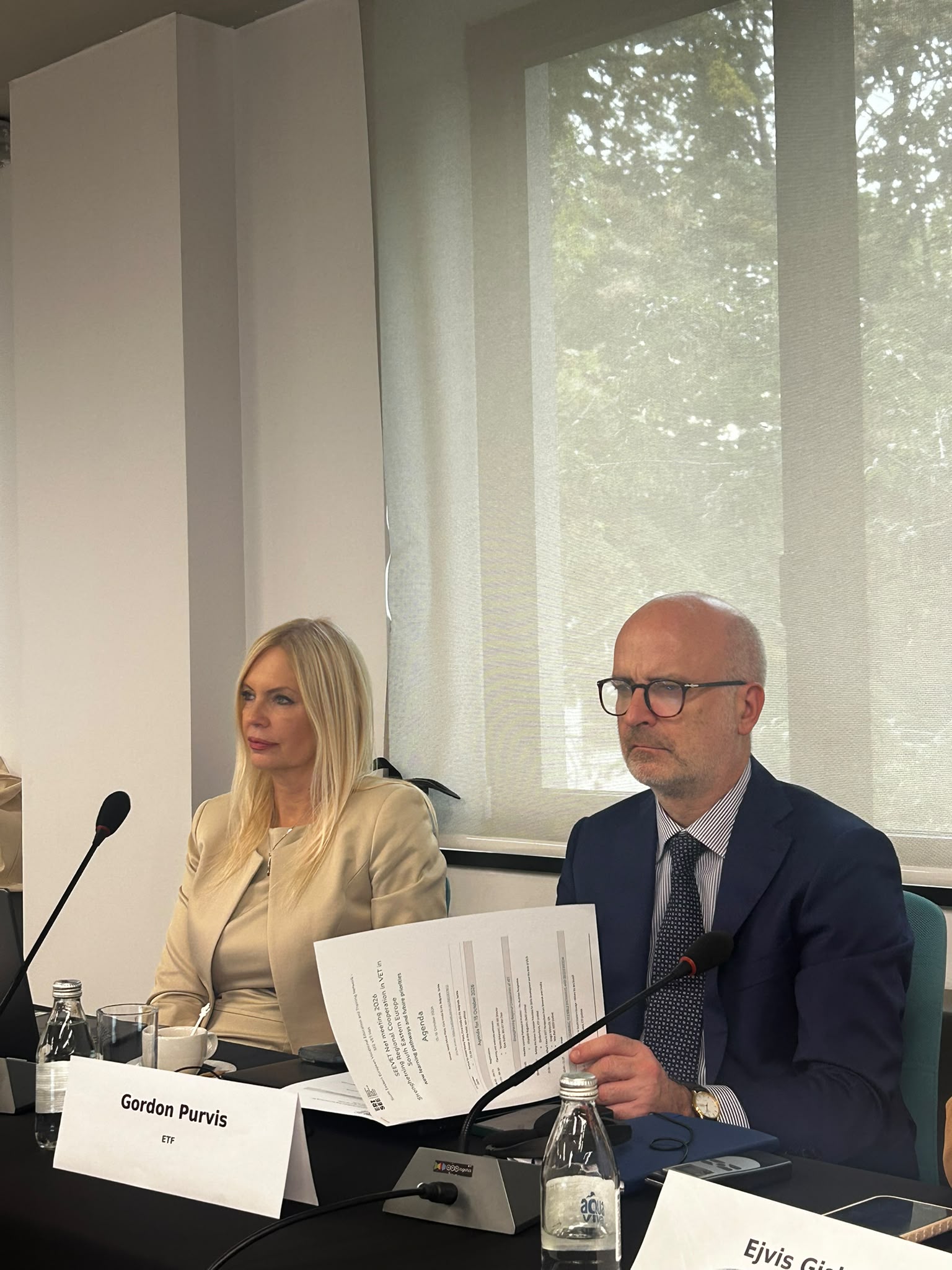
Gordon Purvis, Human Capital Development Expert and Country Liaison for Serbia and Türkiye at ETF, presented key European priorities for skills development and the role of the European Skills, Competences, Qualifications and Occupations classification (ESCO). He highlighted the importance of strengthening skills for the green and digital transitions, lifelong learning and a shared understanding of skills and occupations. He also explained how ESCO can help connect skills, occupations, qualifications and employment, supporting the transparency and comparability of qualifications and their responsiveness to labour-market needs.
The session “What’s New in VET? Perspectives from Slovenia and Croatia” offered insights into reforms and developments in two EU Member States.
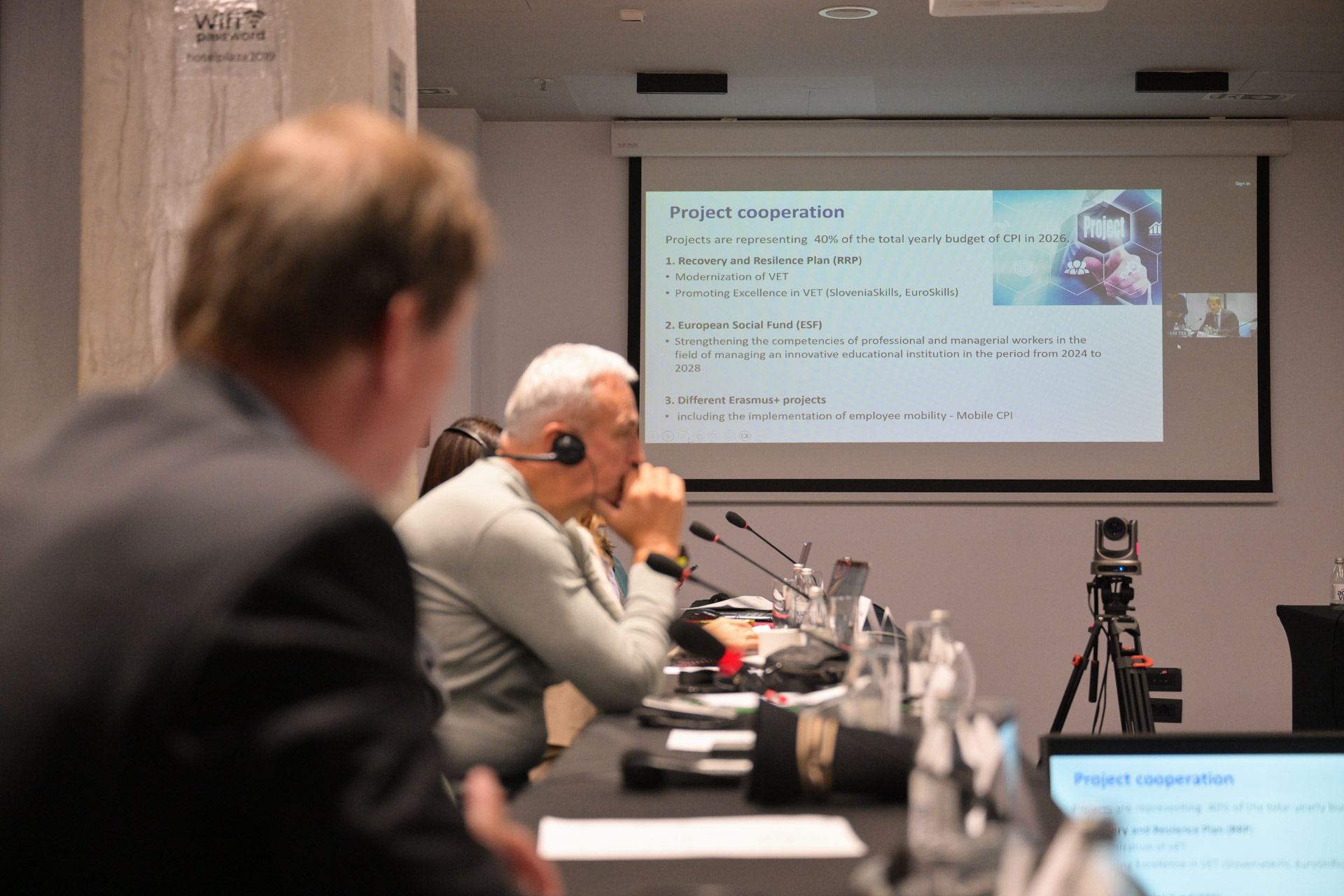
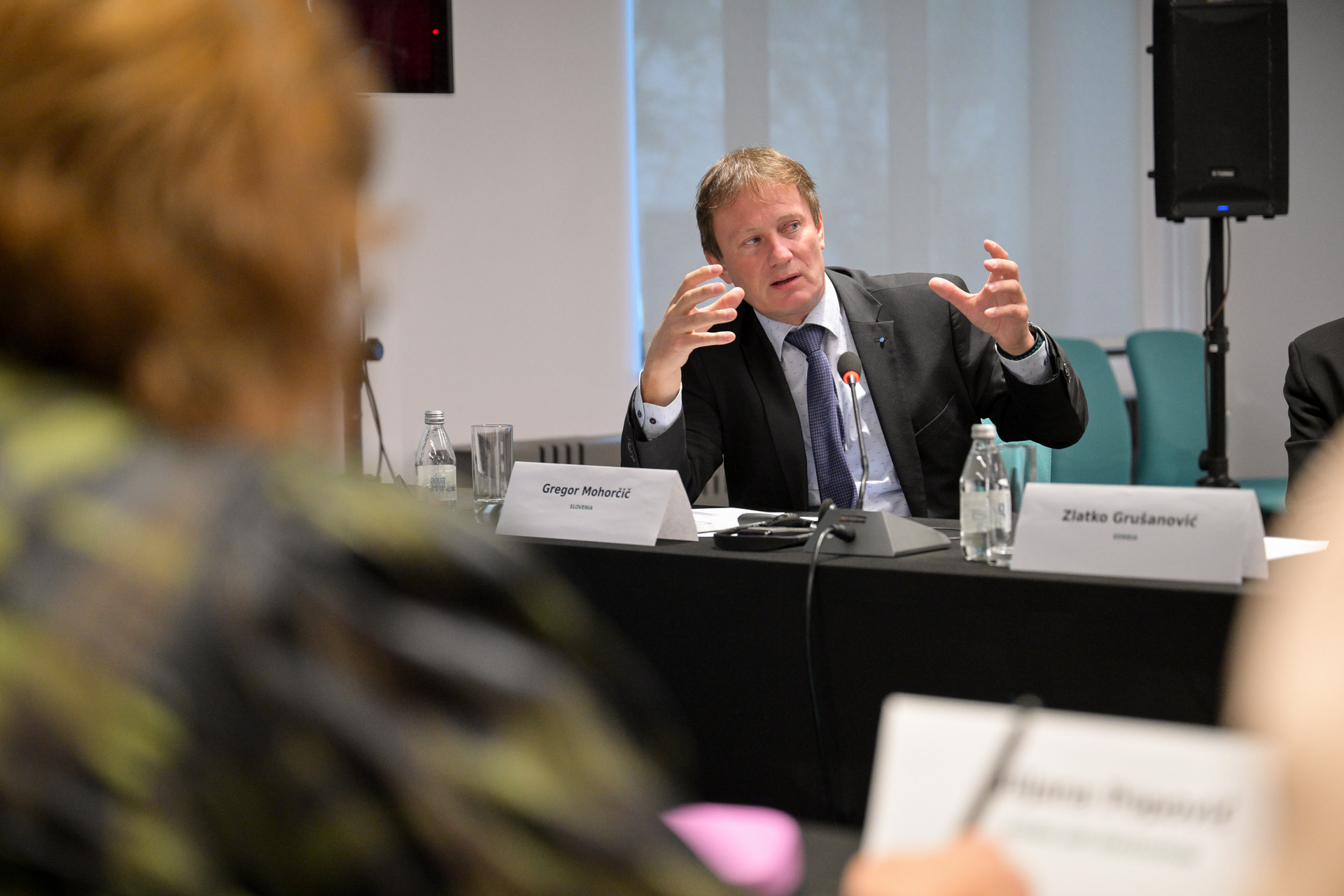
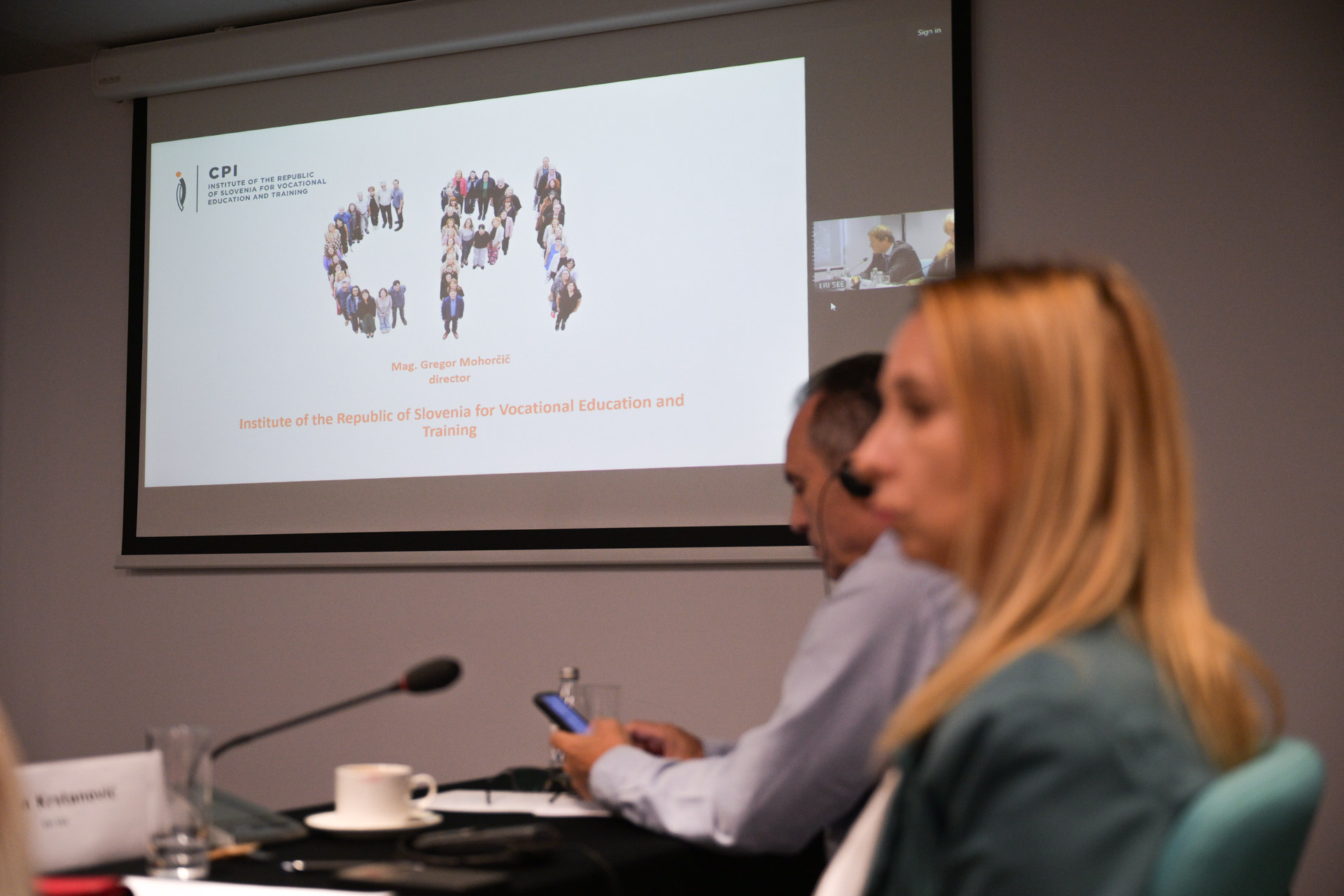
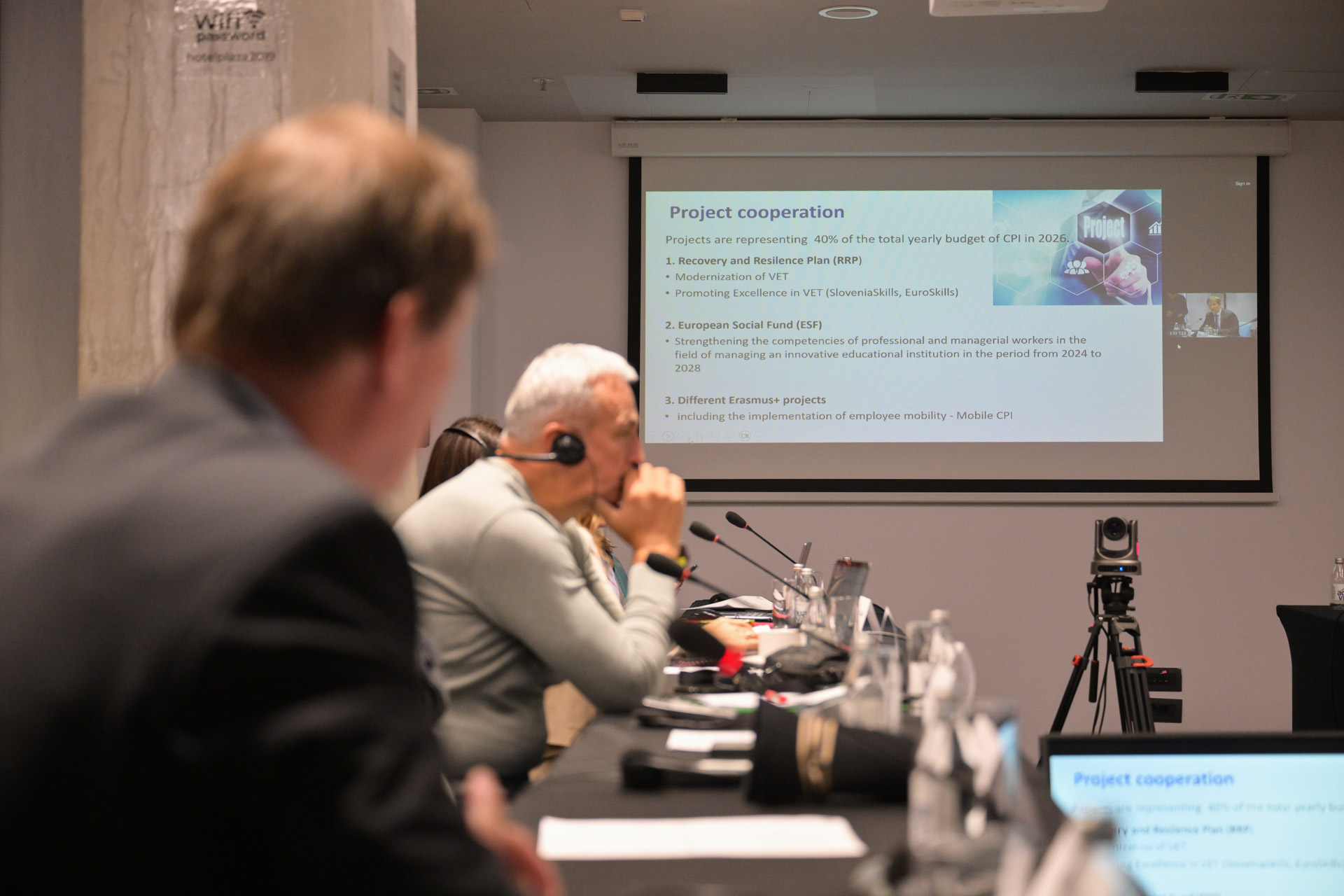
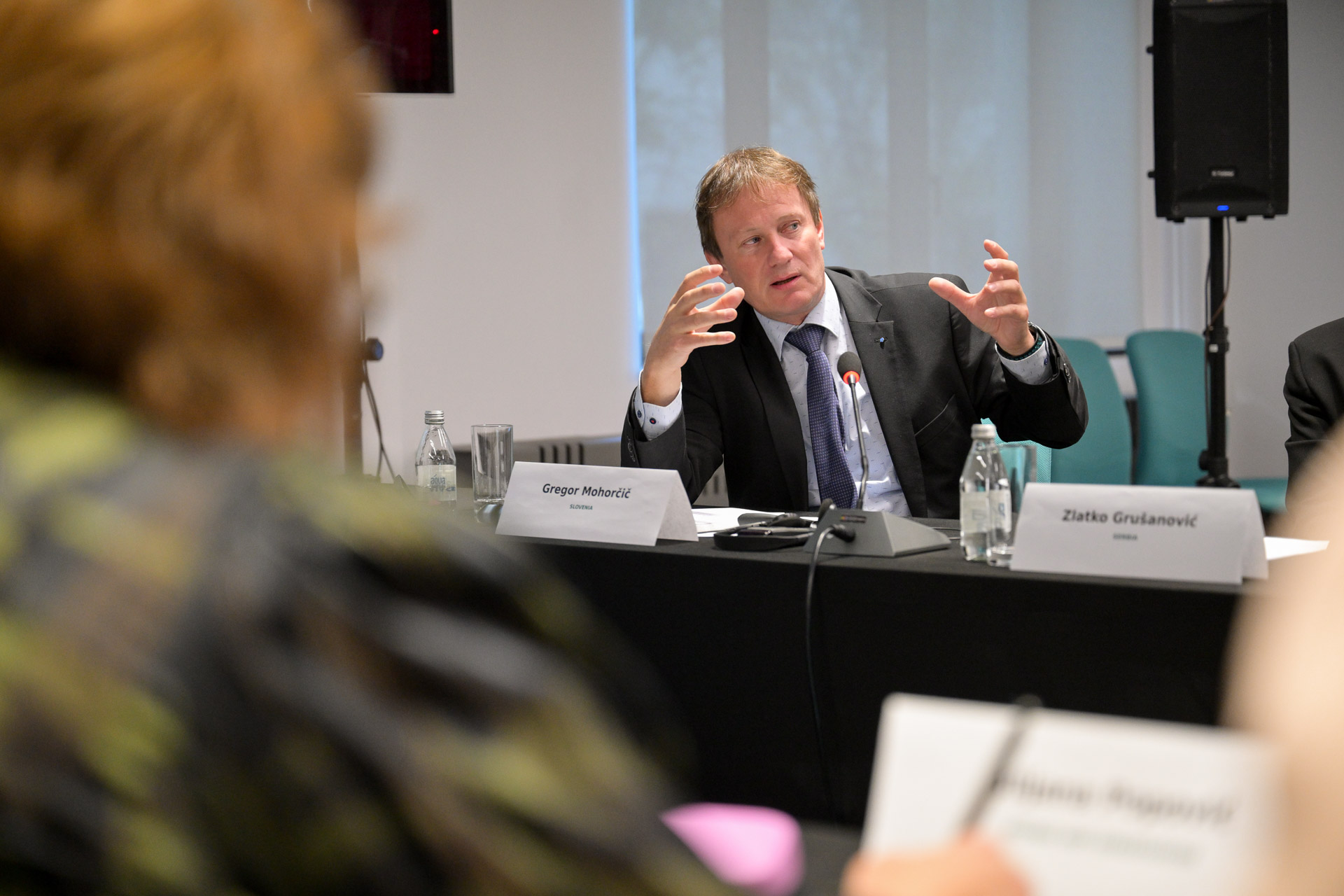
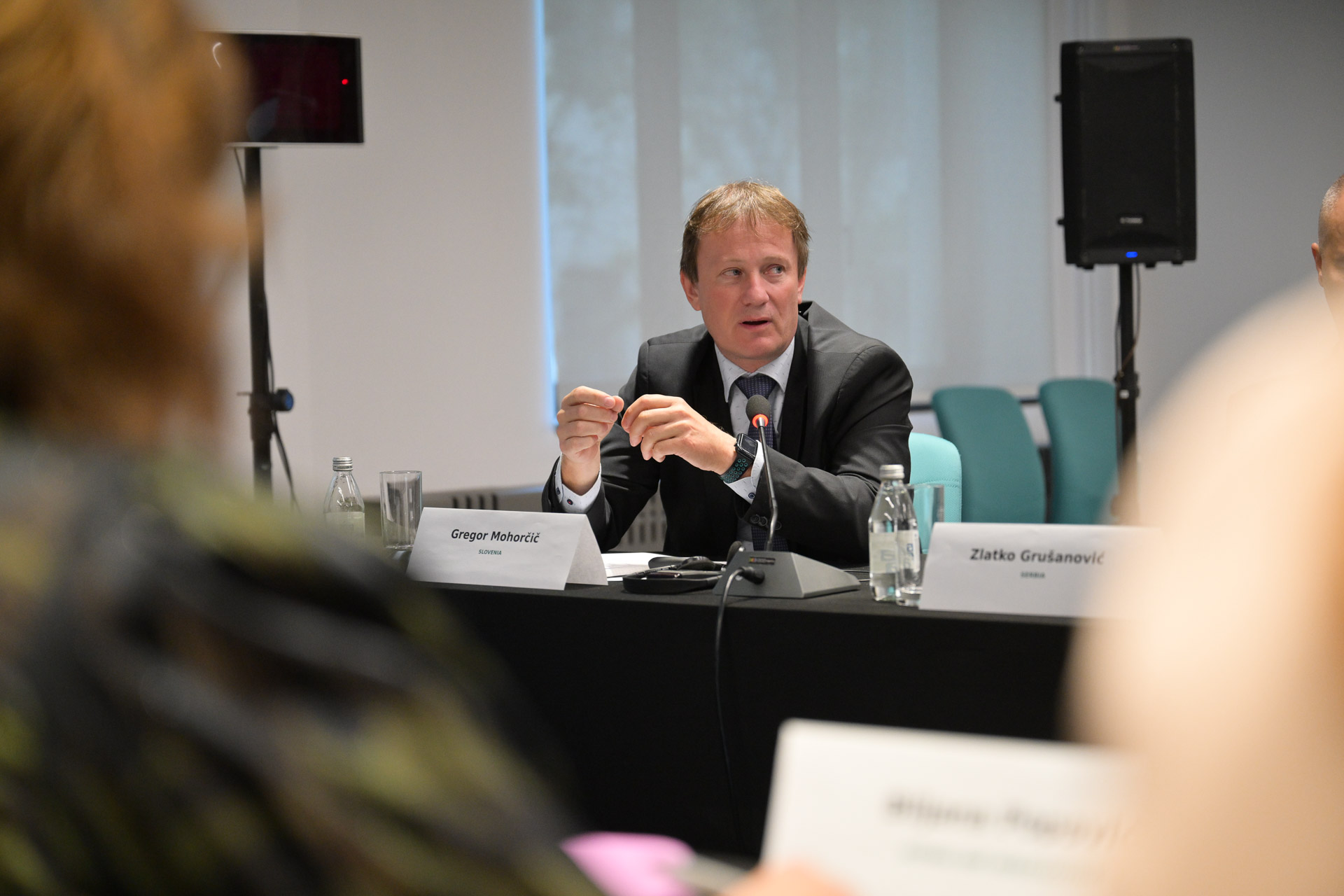
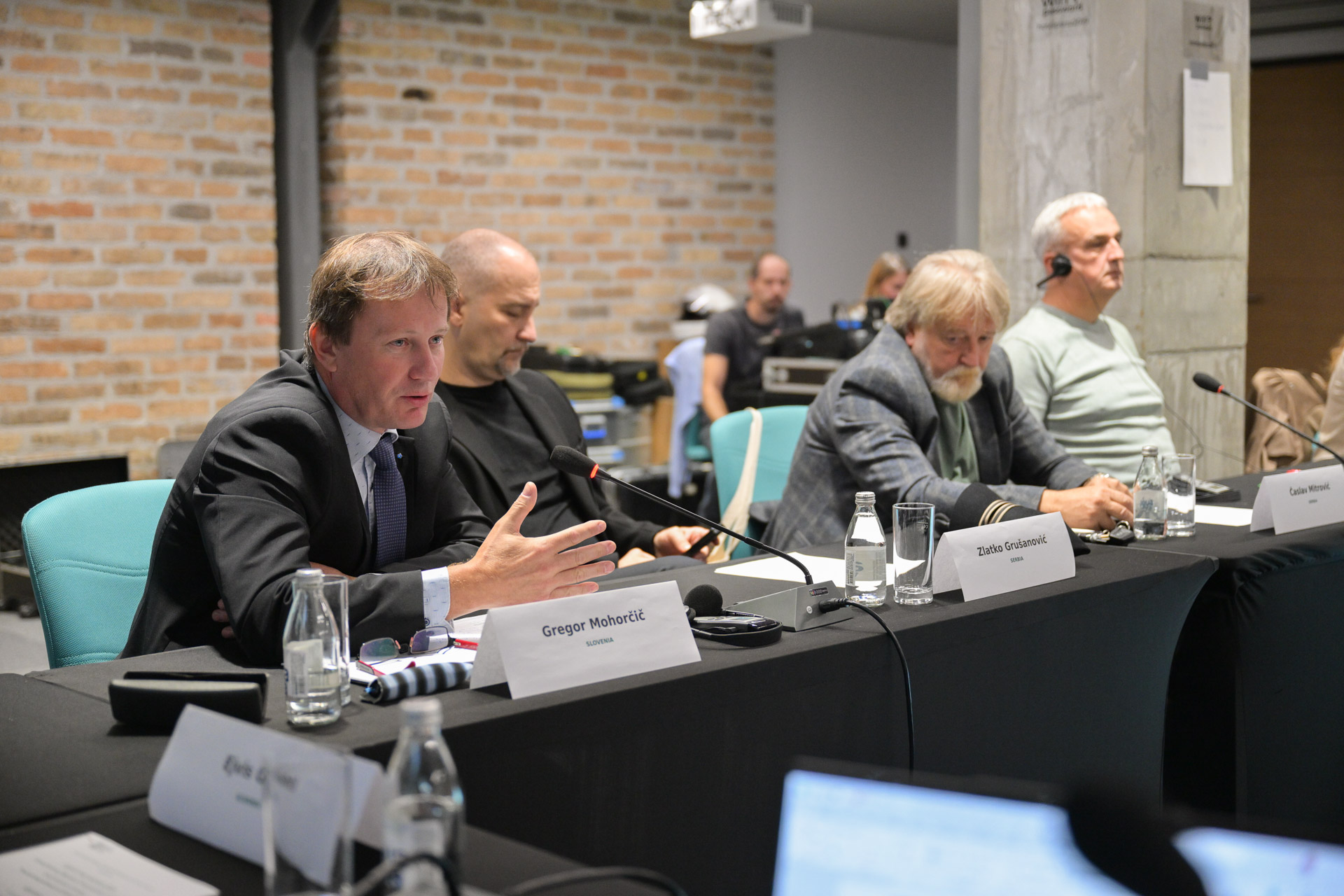
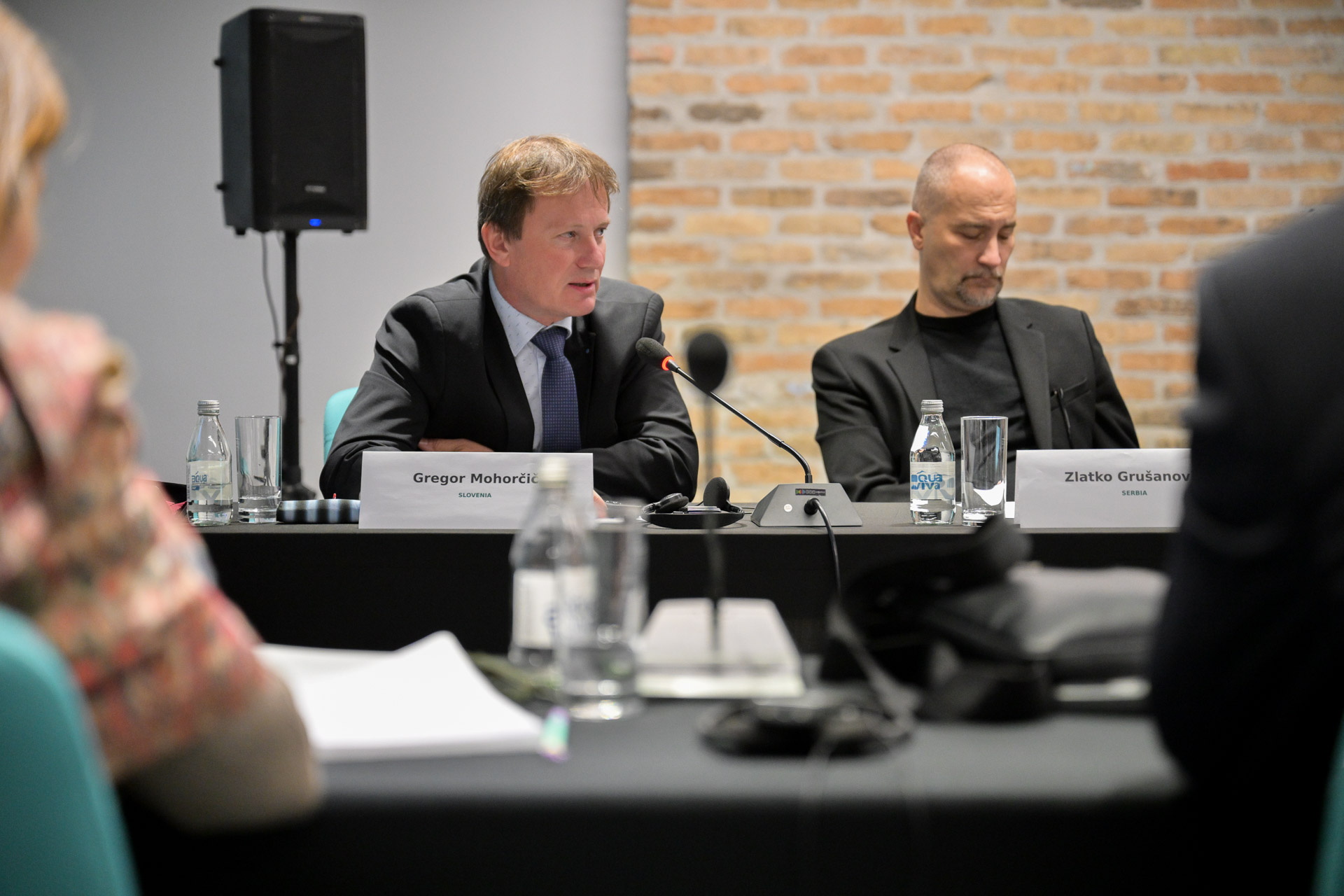
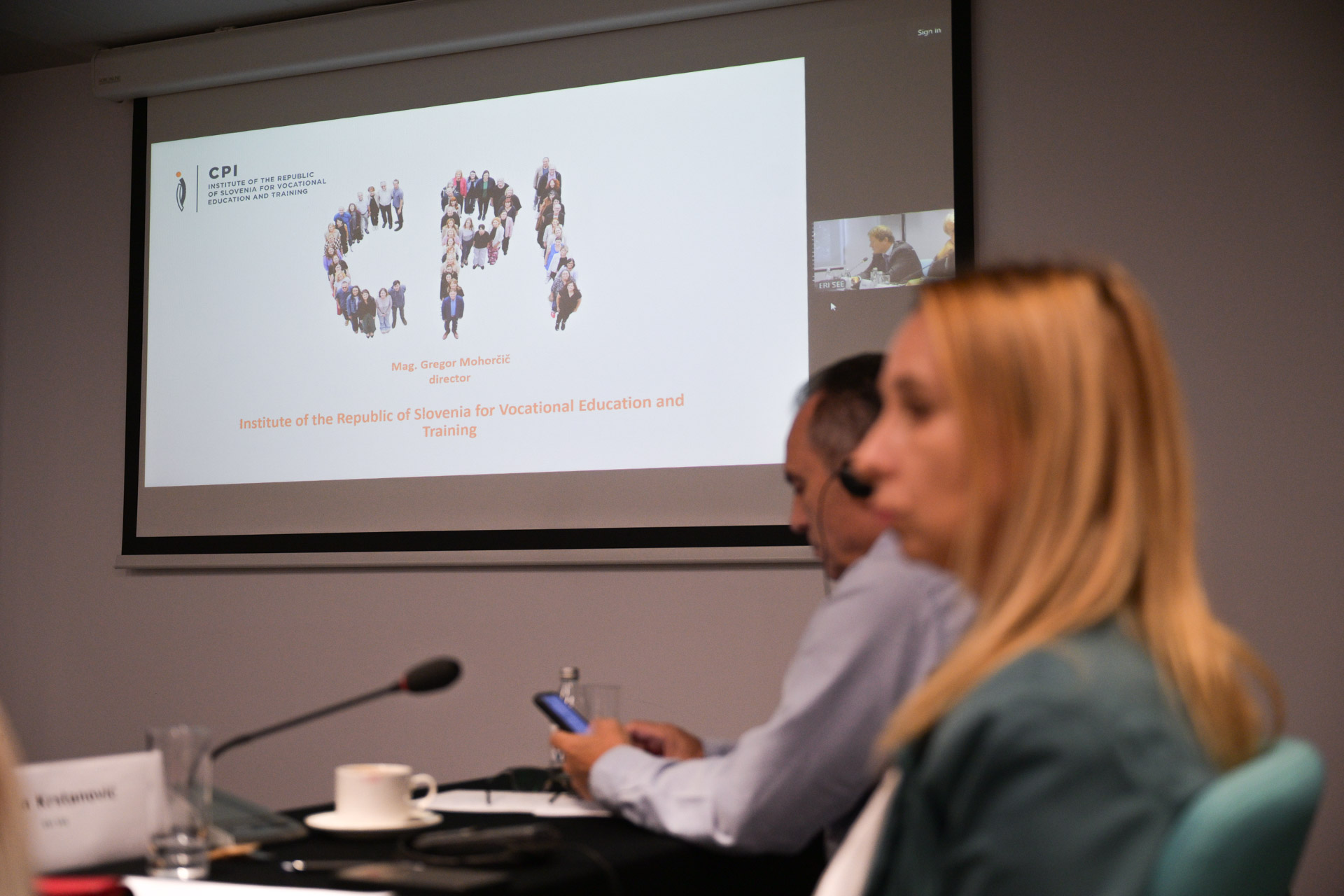
Gregor Mohorčič, Director of the Institute of the Republic of Slovenia for Vocational Education and Training (CPI), presented the Slovenian education system, with a particular focus on vocational education and training. He outlined the institutional framework and current developments in the Slovenian VET system, highlighting ongoing reform efforts and approaches to modernising vocational education and strengthening its relevance to the needs of learners and the labour market.
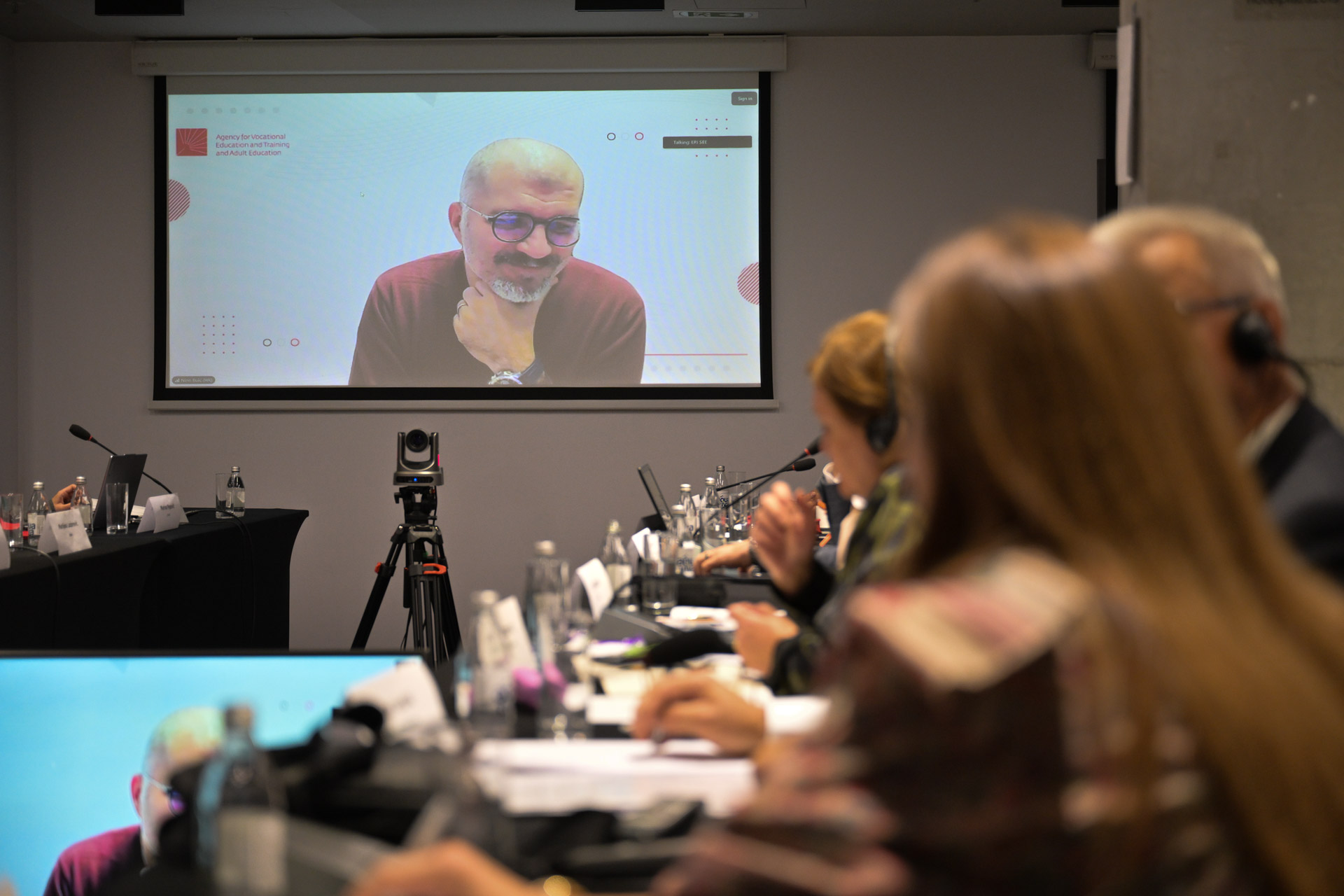
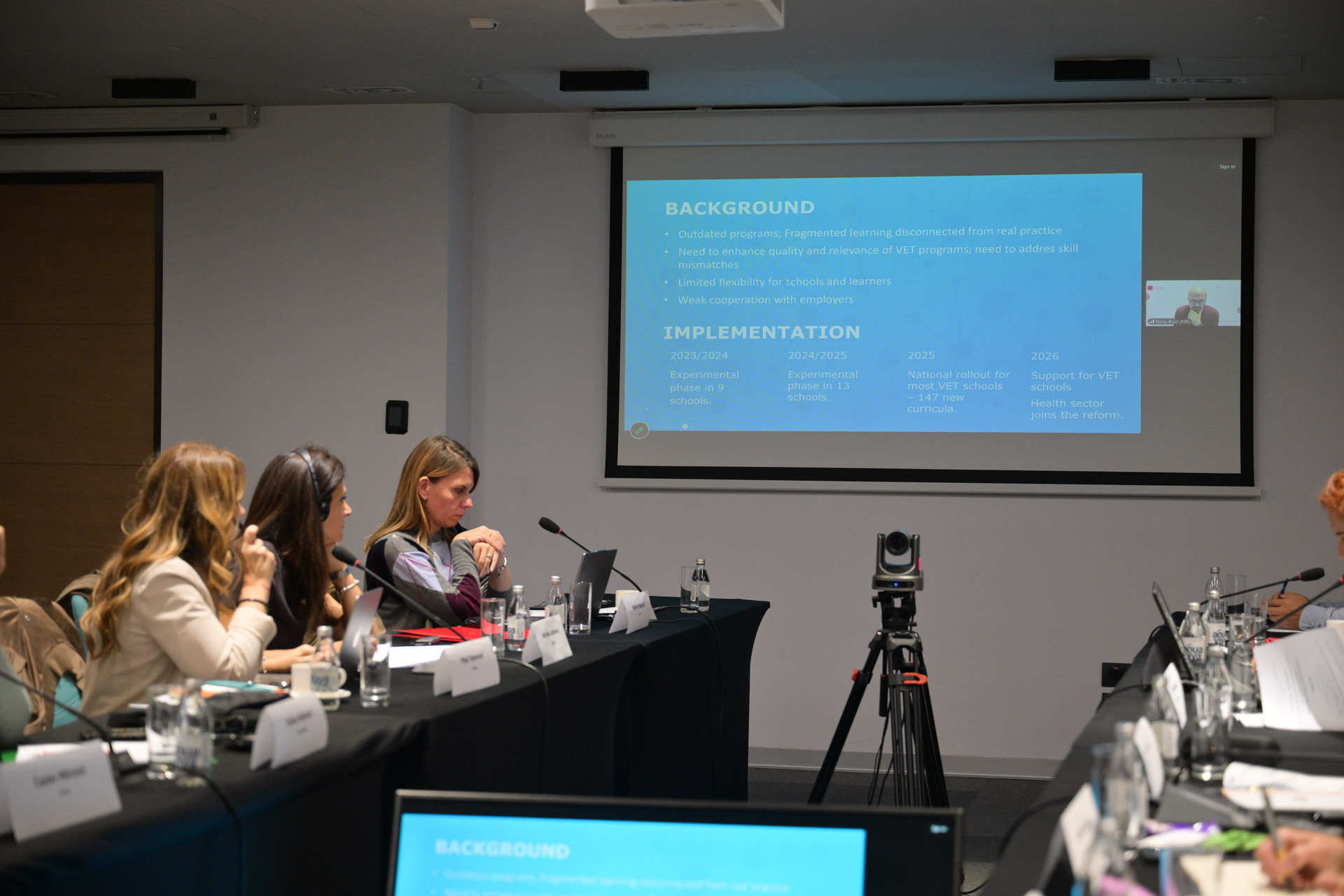
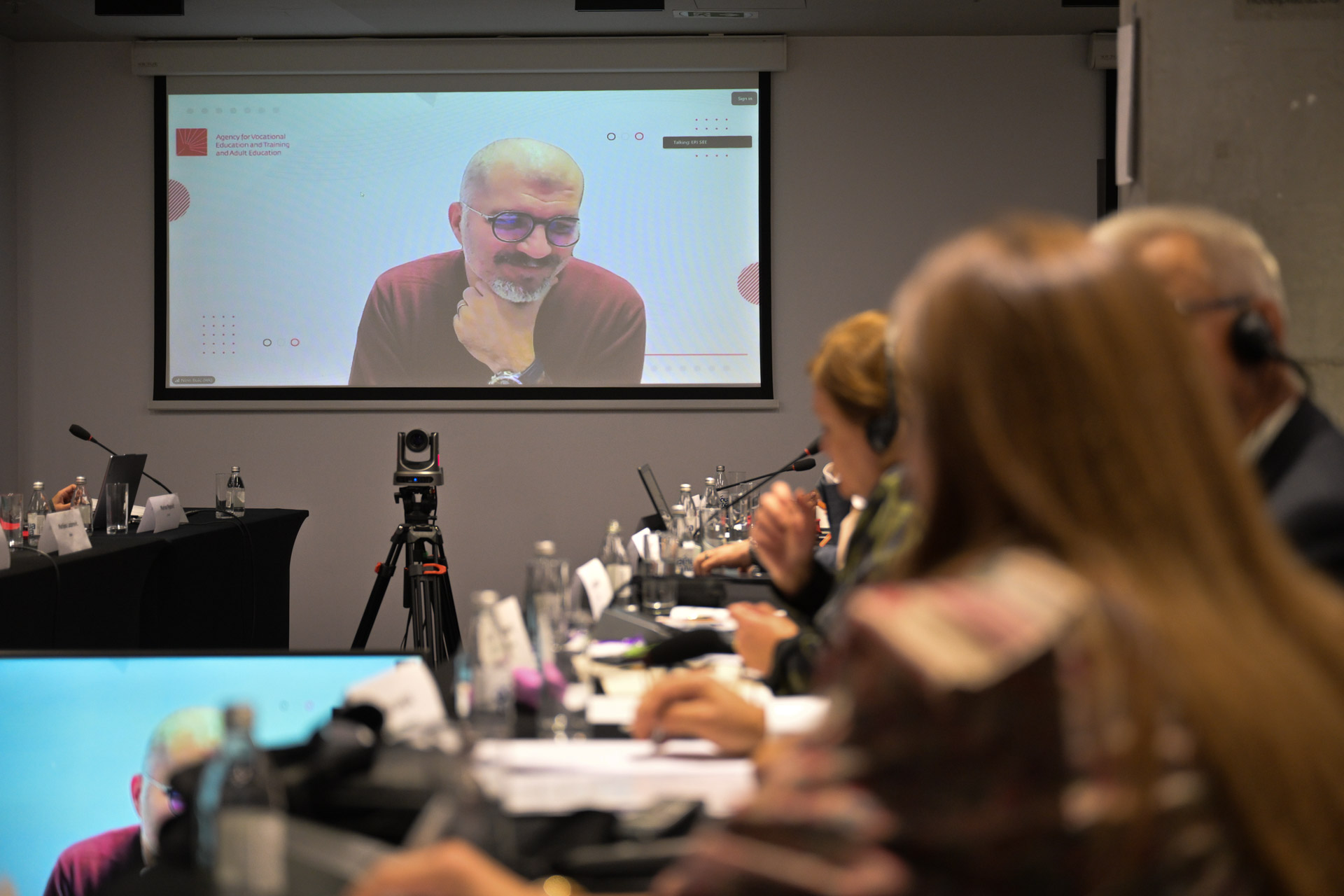
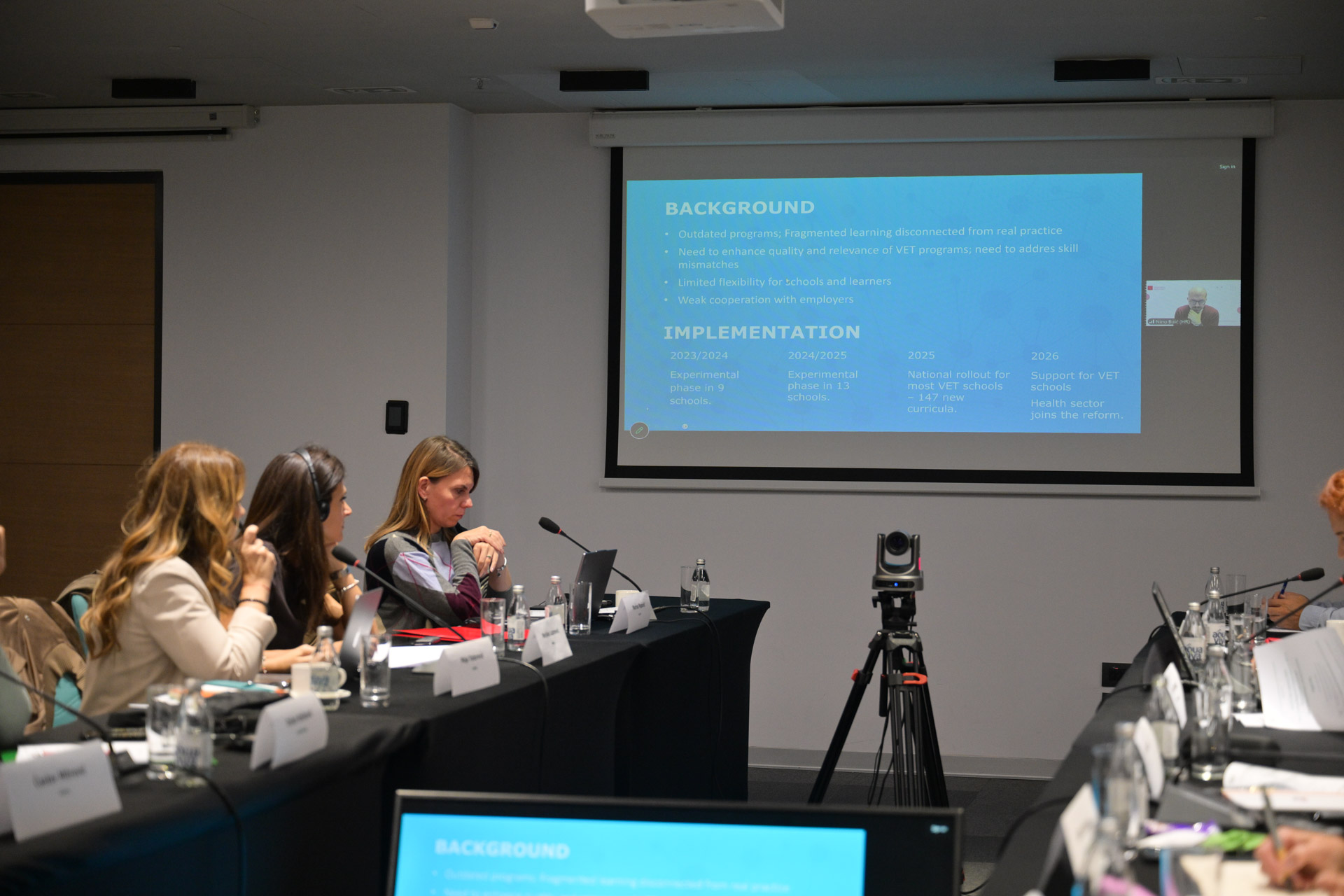
Nino Buić, Assistant Director for European Affairs, International Cooperation and Projects at the Croatian Agency for Vocational Education and Training and Adult Education (ASOO), presented recent developments in Croatian VET reform. He focused on curricular reform and support for schools in its implementation, including the development of teaching materials and the FreeDOM digital repository. He also addressed Croatia’s approach to micro-qualifications and education vouchers as instruments for acquiring labour-market-relevant skills and supporting lifelong learning.
The morning programme continued with Lisa Rustico, Human Capital Development Expert at the European Training Foundation (ETF), who presented findings from a comparative study on the legal and institutional arrangements for adult learning in countries in the EU enlargement area, including South Eastern Europe. She highlighted progress in the development of policies and legislation, while pointing to persistent challenges related to fragmented institutional responsibilities, insufficient and unstable funding, quality assurance in non-formal learning and the recognition of prior learning. Her contribution emphasised the importance of better-coordinated adult learning systems, sustainable financing and accessible learning opportunities as part of a lifelong learning approach.
Regional Discussions on Recognition of Prior Learning and VET Developments
Two interactive discussions provided SEE VET Net members with an opportunity to exchange national experiences, identify common challenges and explore areas for closer regional cooperation.
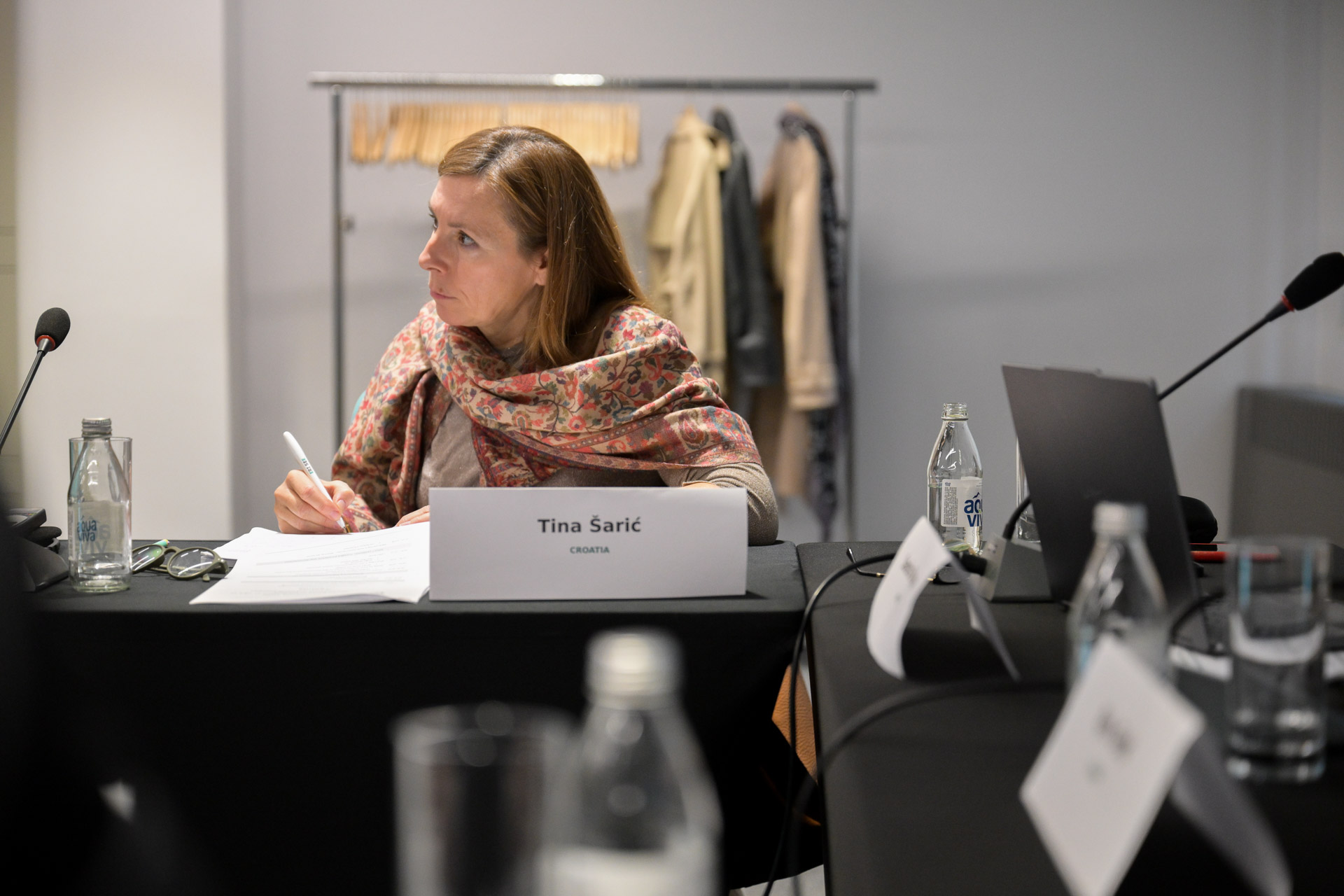
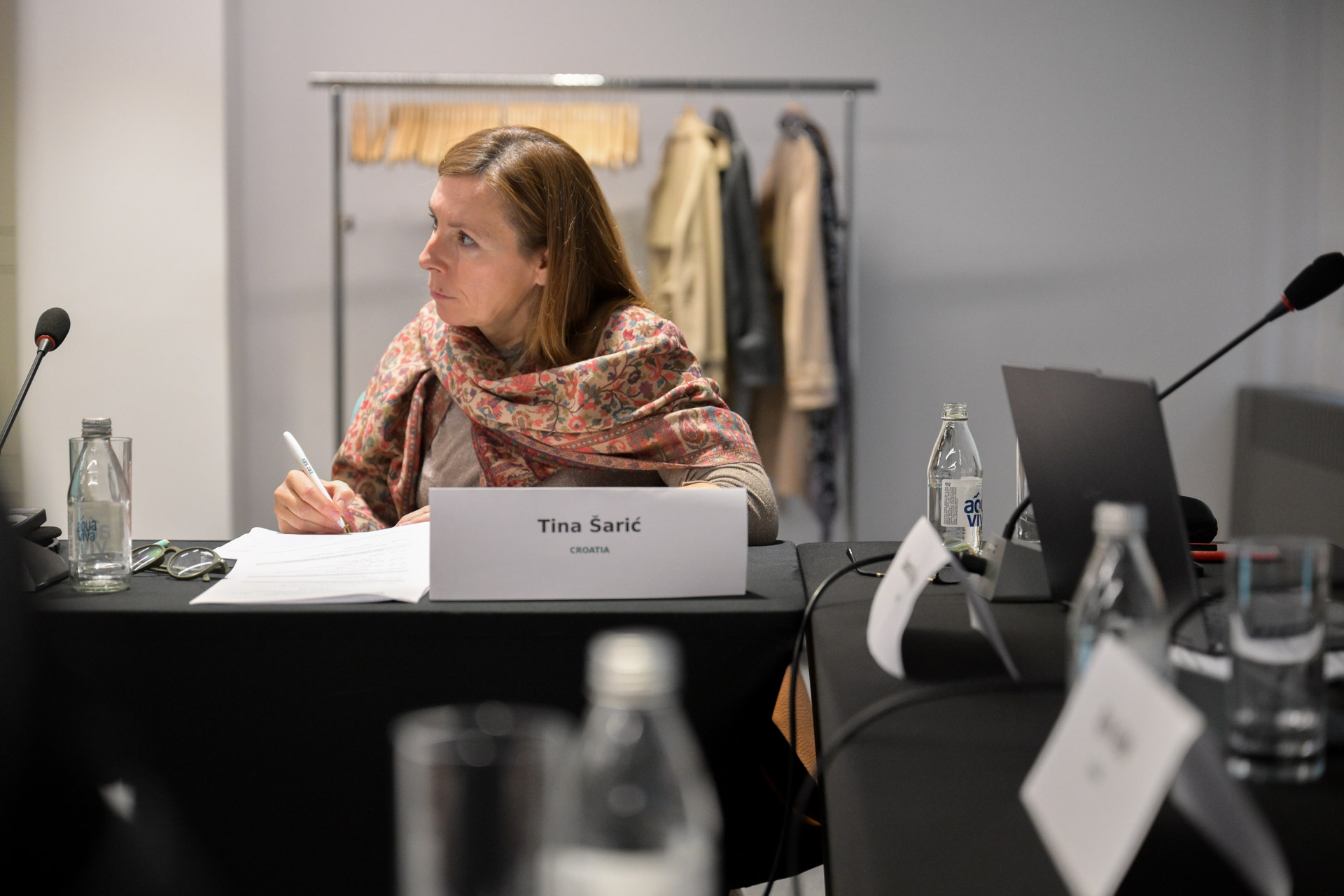
The first discussion, “From Experience to Qualifications: Recognition of Prior Learning (RPL),” focused on the recognition of knowledge, skills and competences acquired through non-formal and informal learning. It explored national approaches, existing policy and legislative frameworks, implementation challenges and opportunities for further cooperation. The discussion was facilitated by Tina Šarić, former Director of the ERI SEE Secretariat and a member of the ERI SEE Honorary Experts Group.
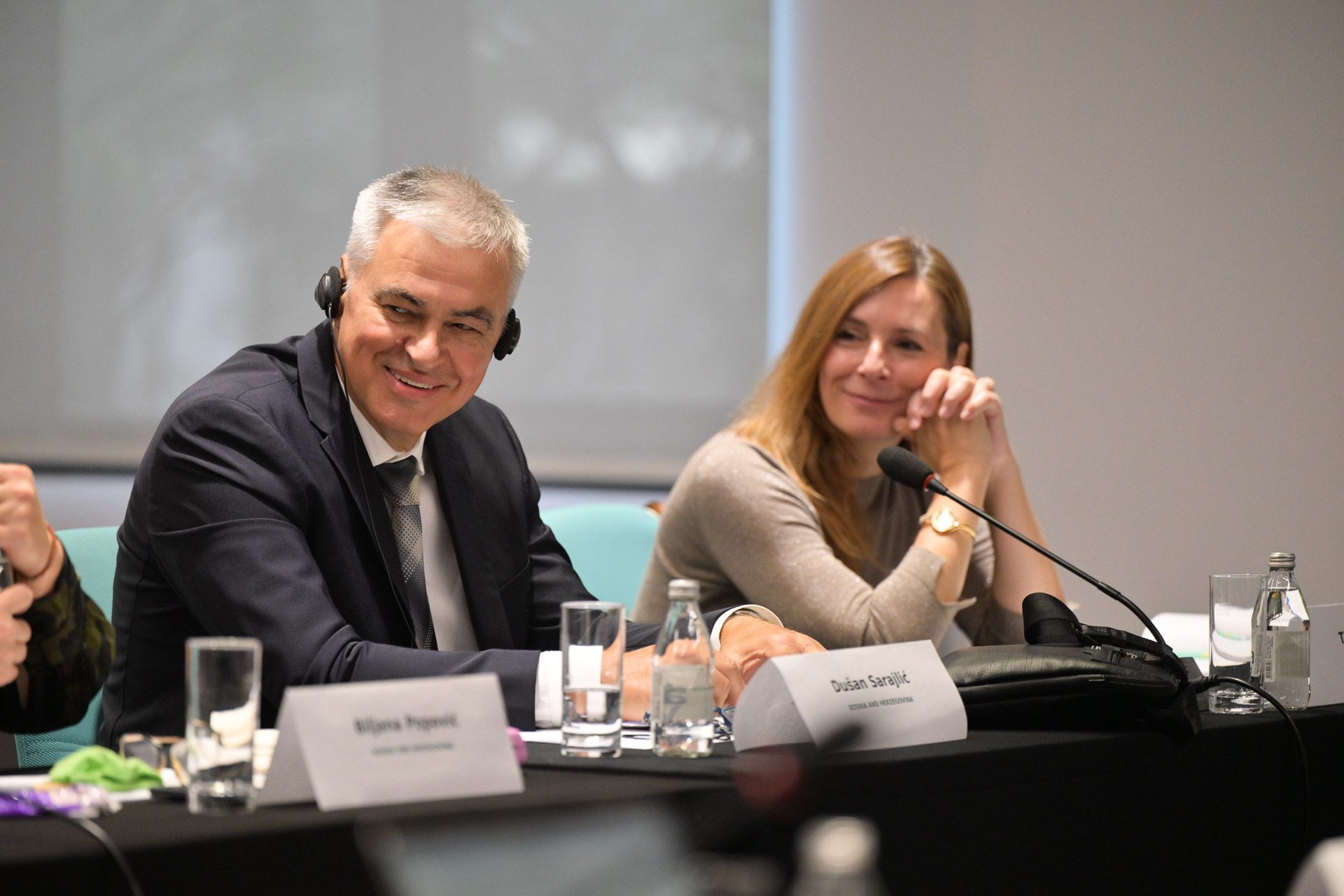
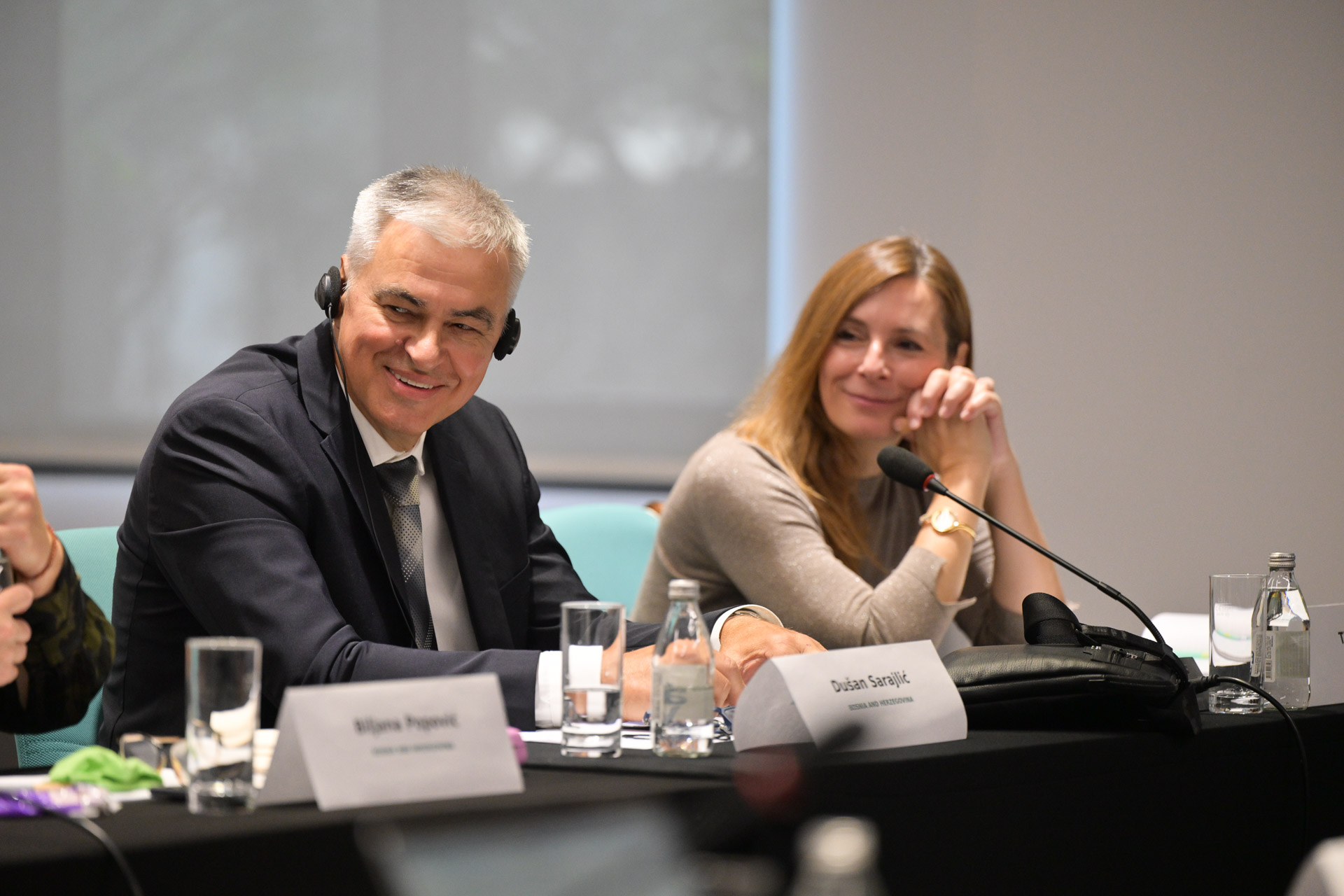
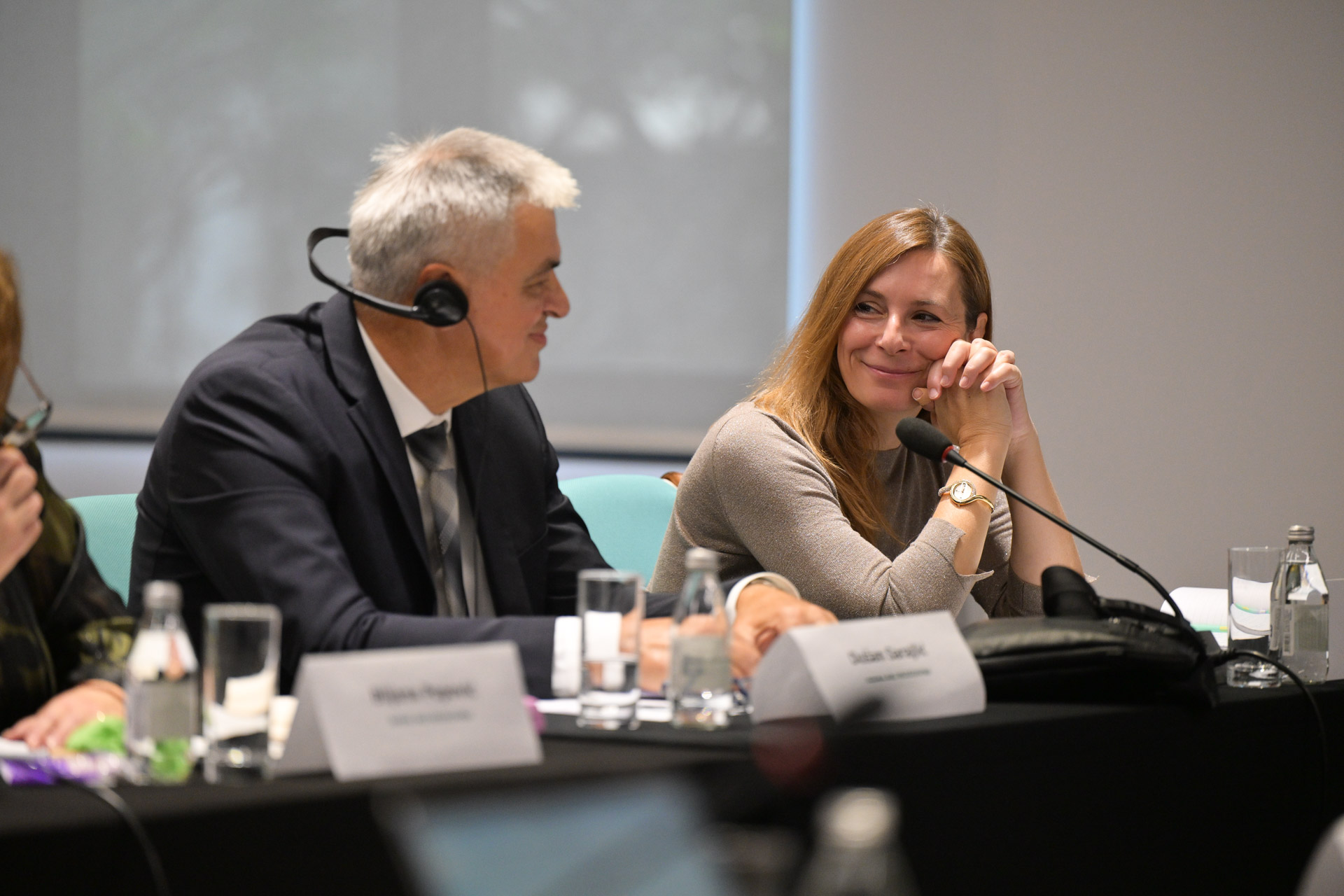
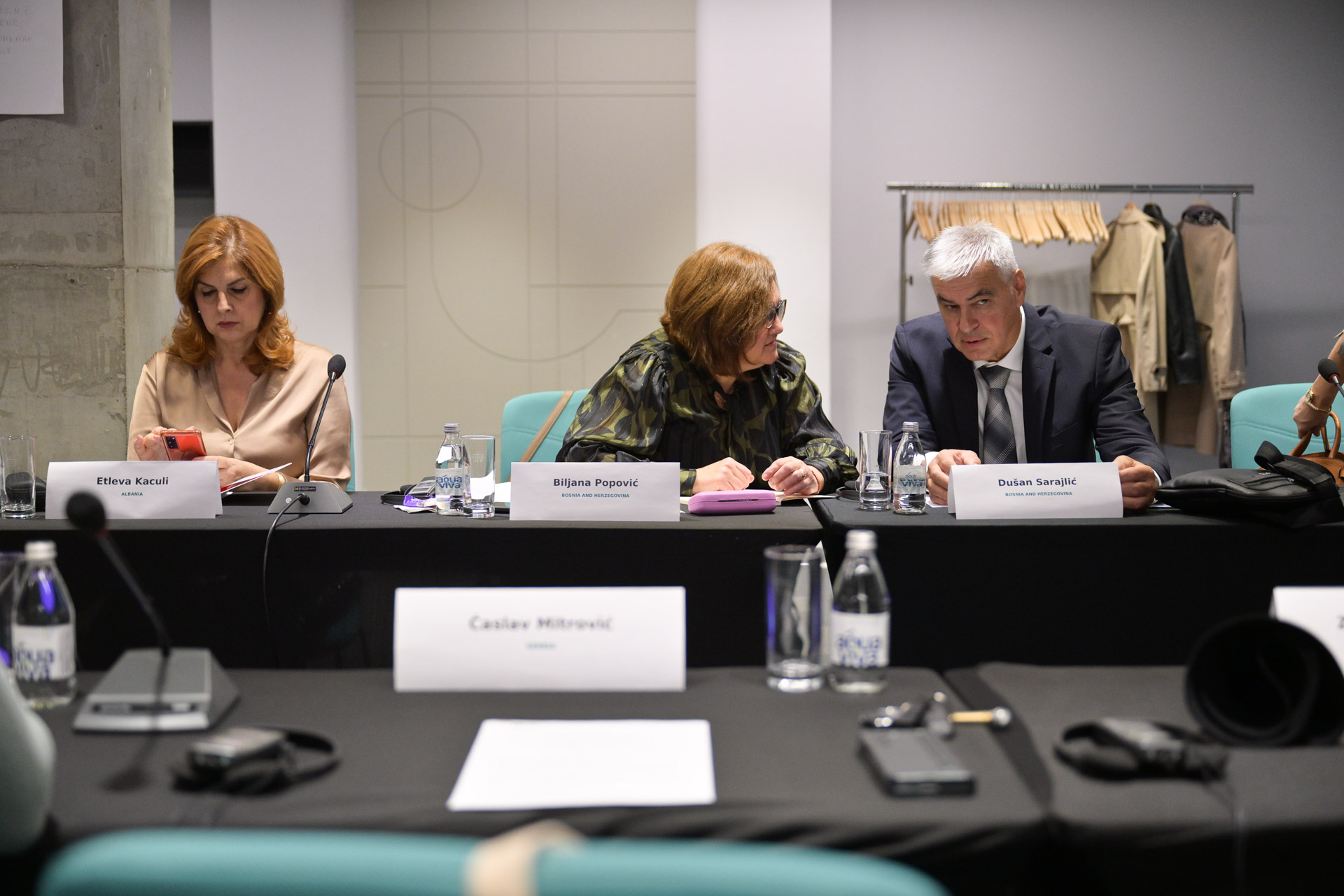
The second discussion, “VET Updates from SEE VET Net Members,” provided a space for participants to share recent developments, initiatives and experiences from their respective VET systems. Facilitated by Dušan Sarajlić, a member of the ERI SEE Honorary Experts Group and former representative of the Agency for Pre-Primary, Primary and Secondary Education (APOSO) of Bosnia and Herzegovina, the session encouraged an informal exchange on reforms, qualifications, curricula, methodologies, ongoing projects and challenges where regional cooperation could add value.
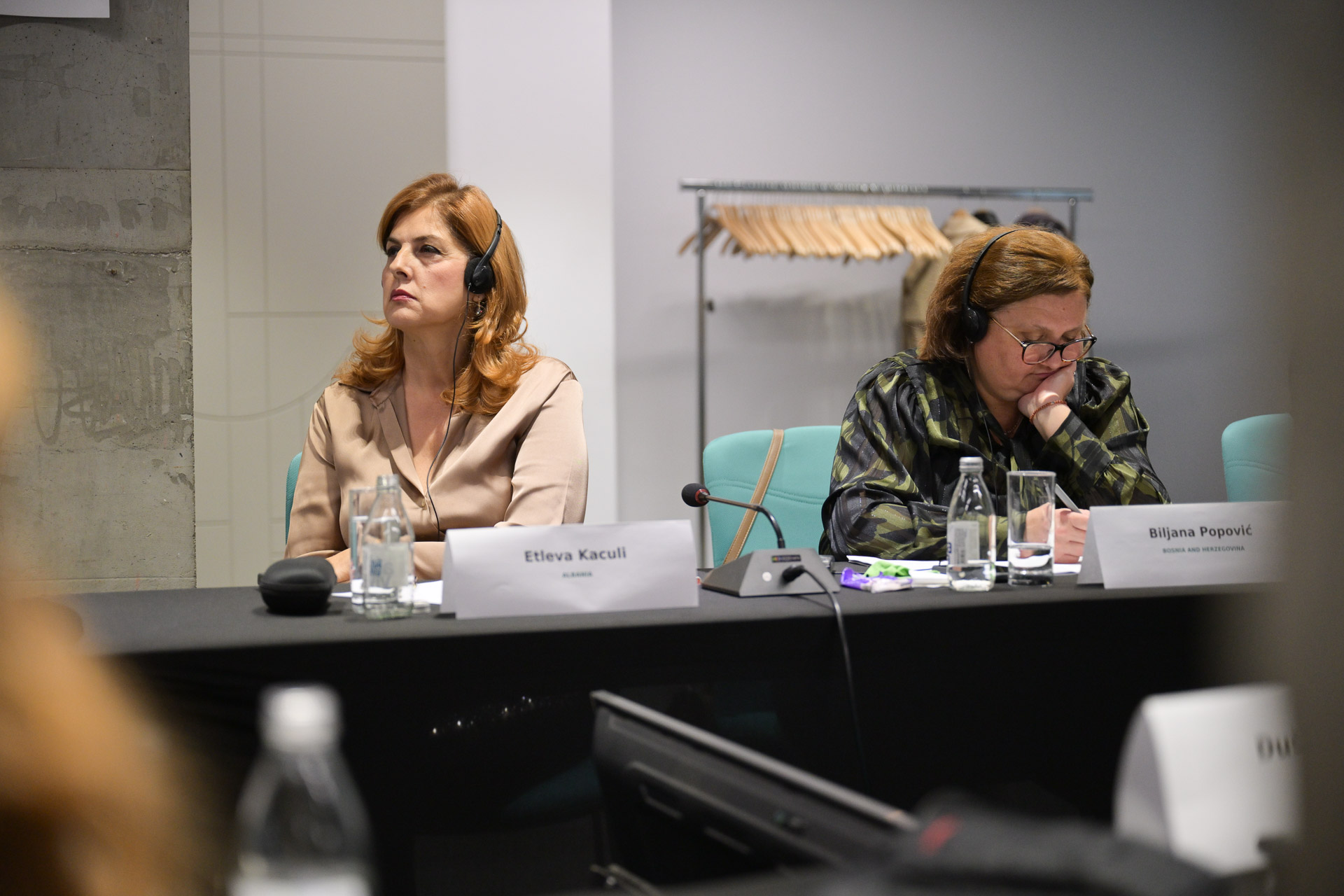
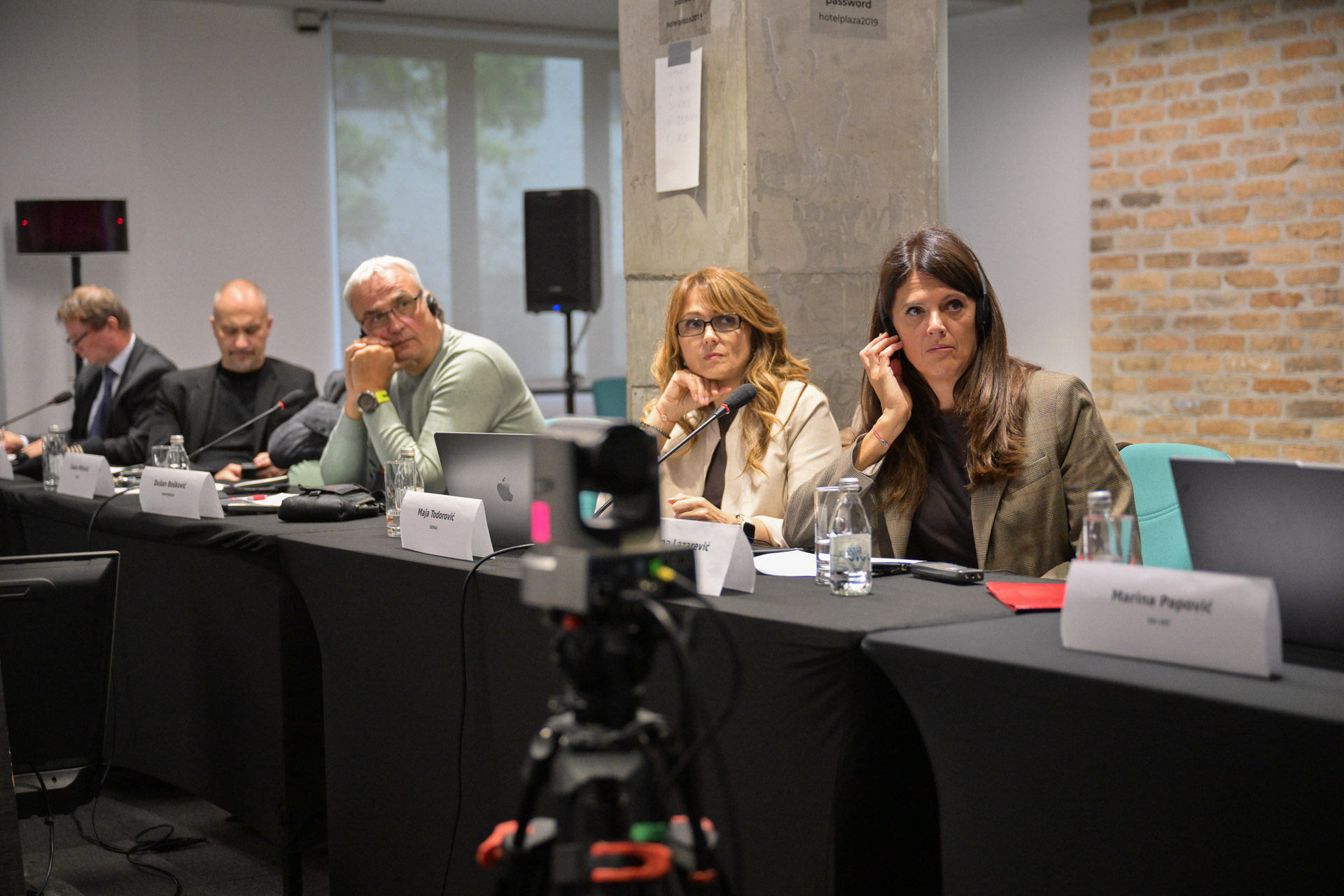
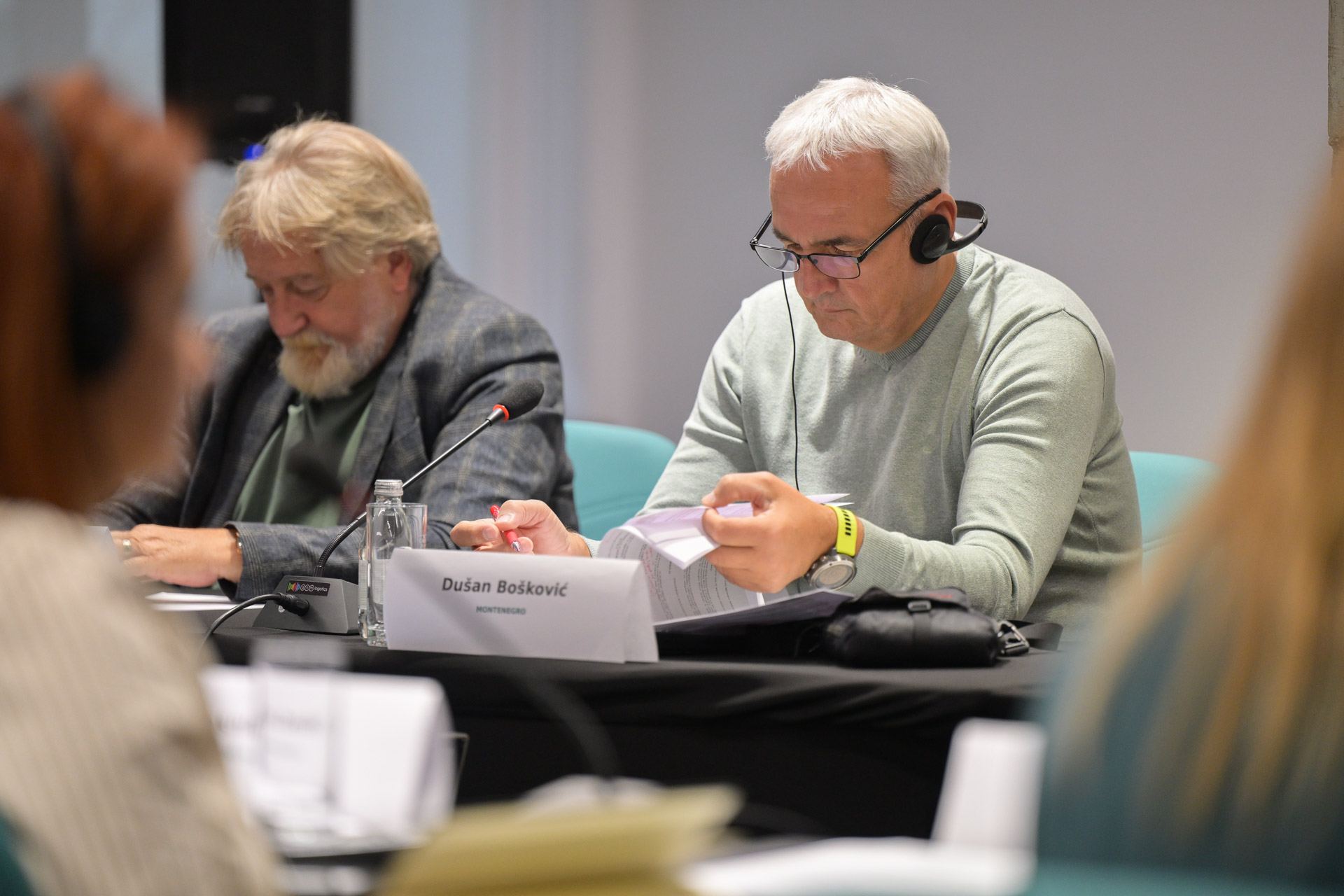
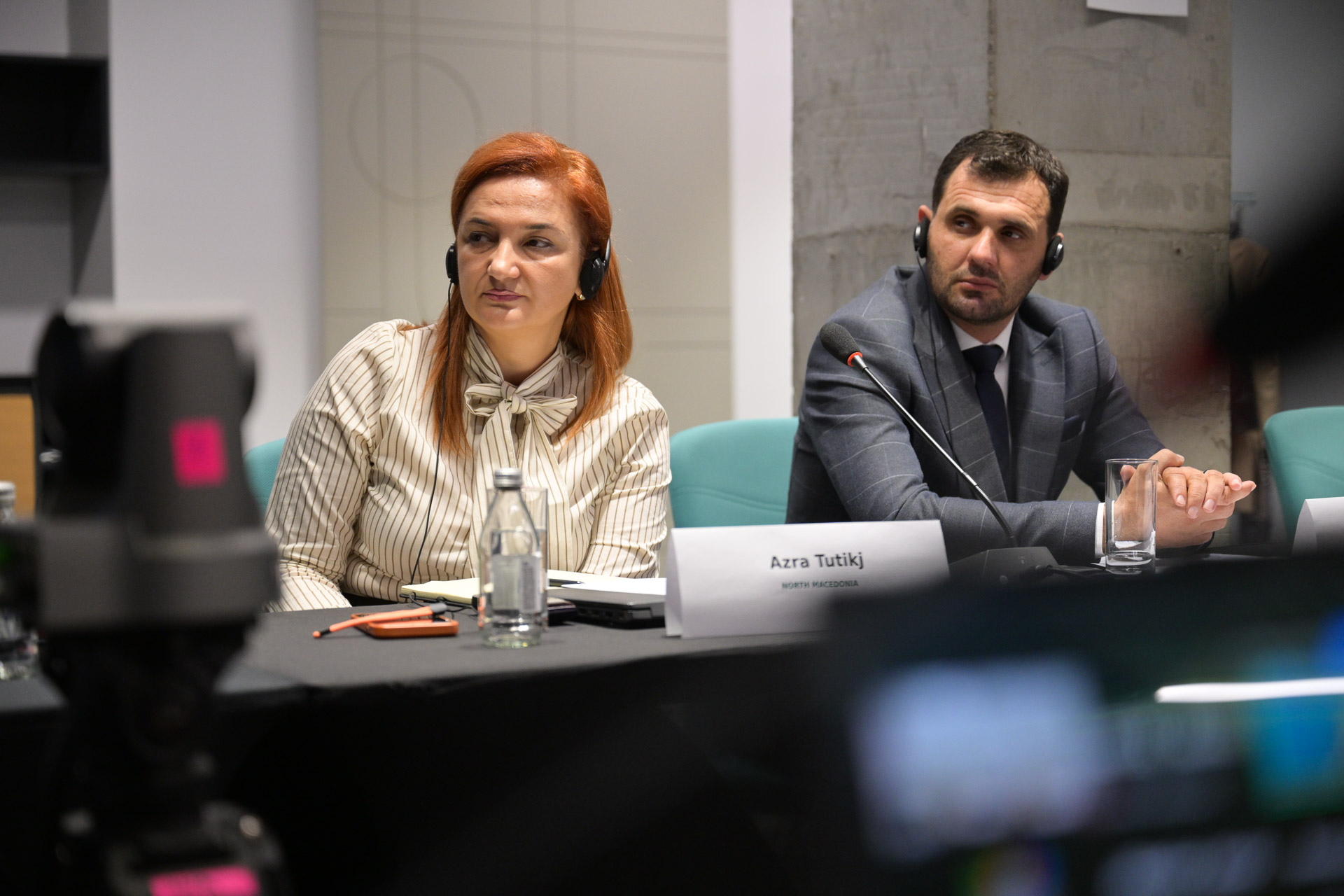
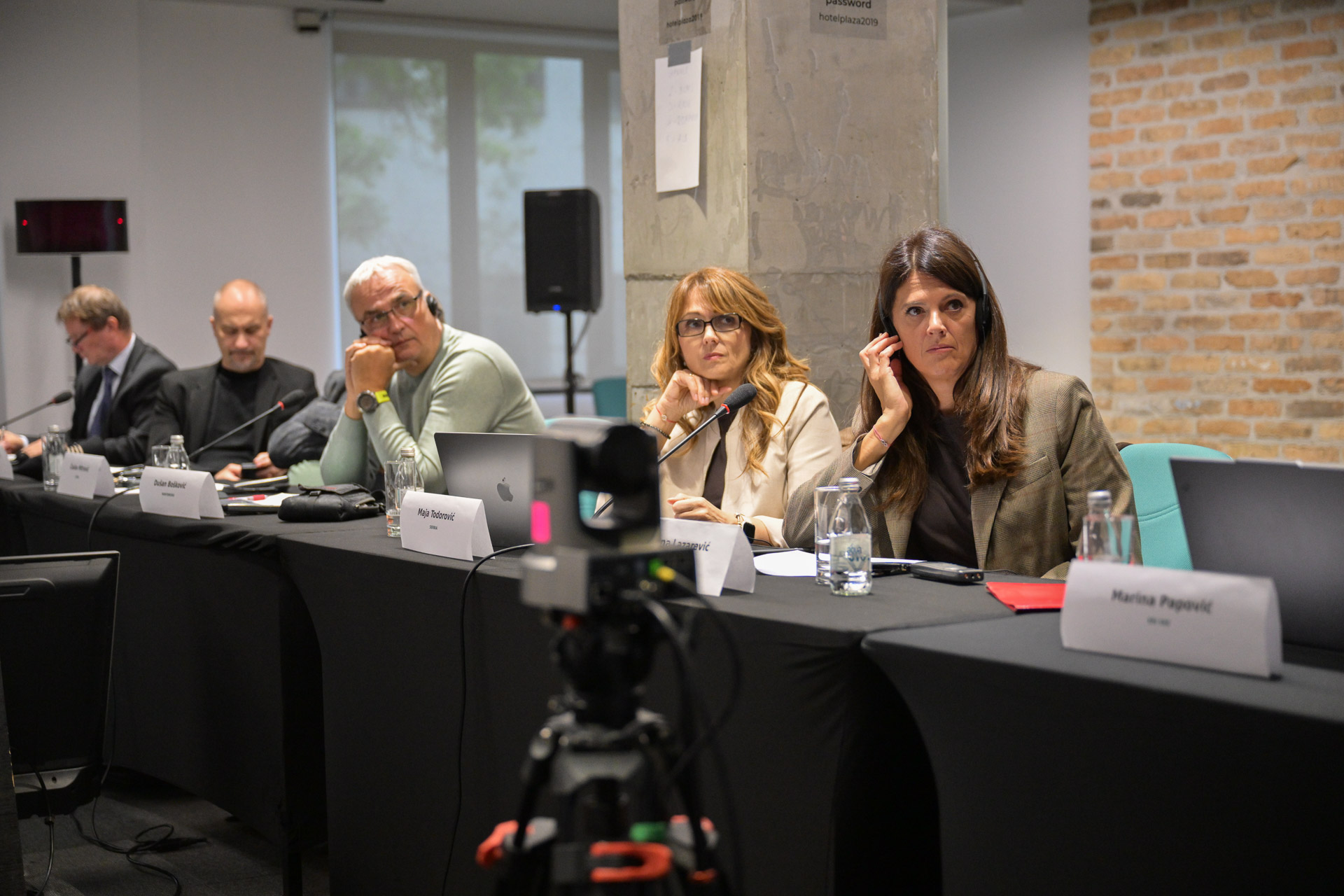
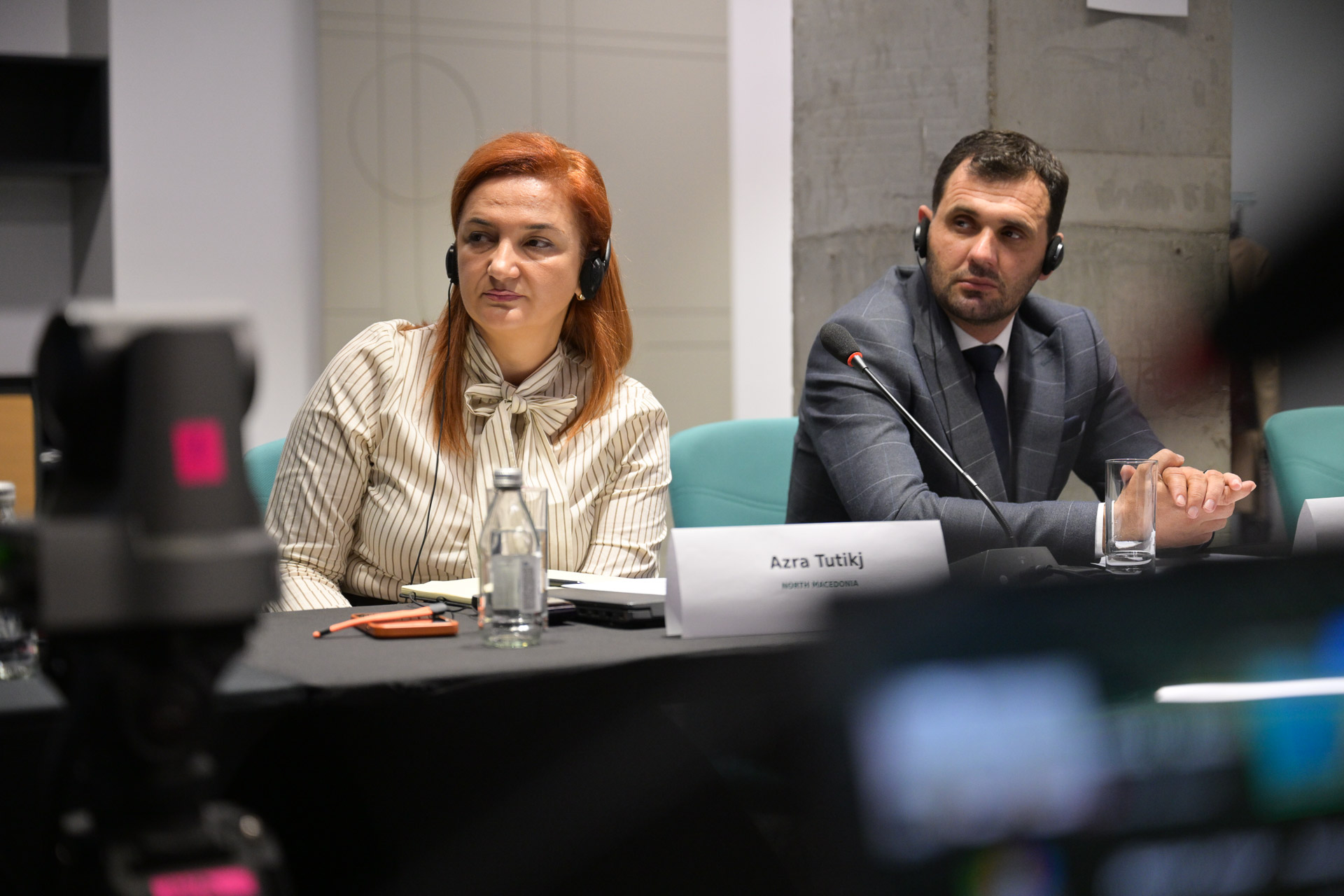
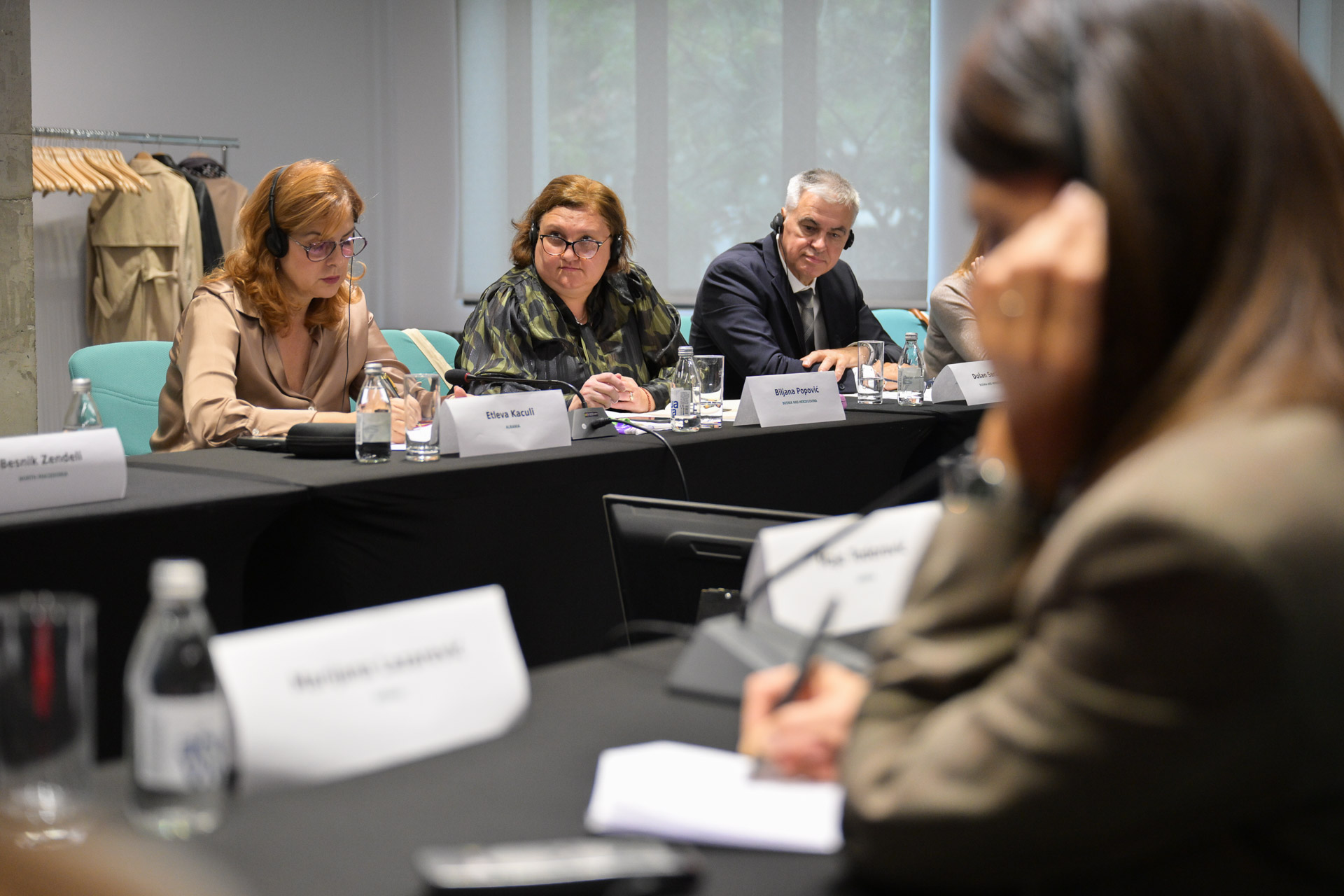
Participants in the discussion included Ejvis Gishti (NAVETQ, Albania), Biljana Popović (APOSO, Bosnia and Herzegovina), Maja Todorović (Institute for the Improvement of Education, Serbia), Azra Tutikj (Centre for the Development of Vocational Education and Training, North Macedonia), Dušan Bošković (Centre for Vocational Education, Montenegro) and Liudmila Stihi (Ministry of Education and Research of the Republic of Moldova, joining online).
Both discussions highlighted the value of learning from national approaches and institutional practice, while identifying shared interests and potential areas for joint action.
Micro-Credentials and New Learning Opportunities
The afternoon programme focused on micro-credentials and their potential to support flexible learning pathways, respond to changing skills needs and strengthen opportunities for vocational education, adult learning and lifelong learning. Irena Radinović, Programme Officer for Education and Youth at the Delegation of the European Union to the Republic of Serbia, also joined the session, providing an opportunity for an exchange with the EU Delegation.
Gordon Purvis (ETF) presented European trends and policies related to micro-credentials, drawing on work prepared with his ETF colleague Satu Järvinen. He explained the European approach to micro-credentials as evidence of specific learning outcomes and underlined the importance of quality, transparency, portability and recognition. The presentation also explored different models of micro-credentials, including their links with formal qualifications, independent credentials and credentials recognised by employers or sectoral organisations, as well as their potential connection with national qualifications frameworks.
Oonagh McGirr, Founding Director of the World Alliance for Microcredentials Foundation (WAM), explored emerging opportunities for applying micro-credentials in VET and adult learning. She discussed their potential to address skills gaps and support targeted learning in areas such as digital and green skills, technical skills and interpersonal competences. She also emphasised the importance of quality assurance, recognition and portability, and of connecting micro-credentials with existing qualifications and the recognition of prior learning.
The session then turned to practical experiences from Moldova and Albania.
Alessandra Moltz, Skills and Employability Specialist at the International Labour Organization (ILO), introduced the organisation’s support for micro-credential development in Moldova. Her contribution covered the development of a methodology and guidance for designing and implementing programmes, capacity-building for education and training providers, and pilot initiatives.
Building on this introduction, Liudmila Stihi, State Secretary at the Ministry of Education and Research of the Republic of Moldova, presented the development and application of micro-qualifications within Moldova’s education and training system. She explained their place within the national qualifications framework, the possibility of combining partial qualifications towards a full qualification, and the results achieved so far. She also addressed implementation challenges and priorities for further development.
Ejvis Gishti (NAVETQ) presented Albania’s approach to micro-credentials, showing how it builds on the existing Albanian Qualifications Framework and lifelong learning arrangements. She explained how learning units with defined learning outcomes can provide more flexible pathways and be linked to partial and full qualifications. Tourism and hospitality have been identified as an important starting point for implementation, with potential for expansion into sectors such as ICT, energy and agriculture. Her contribution also highlighted the importance of quality assurance, recognition of prior learning, institutional capacity and stronger links between qualifications and labour-market needs.
Together, the contributions from Moldova and Albania illustrated different national approaches to developing more flexible learning opportunities while maintaining links with qualifications systems. They also opened up questions for further regional exchange on quality, employer recognition and progression towards full qualifications.
Defining the Future Direction of SEE VET Net
The second day began with a recap of the first day’s discussions, presented by Ejvis Gishti, Chair of SEE VET Net, who summarised the main topics and key takeaways from the exchanges among Network members and invited experts.
This was followed by a presentation by Sandra Brkanović, Director of the ERI SEE Secretariat, on ERI SEE’s ongoing work and partnerships, regional initiatives and the future priorities of SEE VET Net. She presented developments in ERI SEE’s projects and partnerships over the previous year. The presentation included follow-up to initiatives discussed at the 2025 SEE VET Net meeting, updates on regional cooperation under the Common Regional Market Action Plan 2025–2028, and progress on projects and proposals in VET modernisation, digital learning, occupational standards, skills development and learning mobility.
The presentation also covered cooperation with European and regional partners, including ETF, OeAD and the Regional Cooperation Council (RCC), as well as new initiatives under development. These included the proposed SEE Skills initiative, aimed at strengthening the attractiveness of VET through skills demonstrations, career guidance, employer engagement and regional cooperation. The ERI SEE Development Fund was also presented as a potential instrument for supporting practical regional activities beyond individual donor-funded projects.
A central part of the second day was an interactive workshop dedicated to the future priorities of SEE VET Net and the development of its Roadmap for 2027. Participants reviewed proposed areas for regional cooperation, considered shared needs and challenges, and identified national experiences and initiatives that could be relevant to other economies.
The workshop also included a focused discussion on VET learner mobility, providing input for the RCC Roadmap for 2027–2029 under the Common Regional Market Action Plan. Participants considered current mobility practices, the organisation and recognition of learning outcomes, quality and accessibility, barriers to participation, and opportunities for mobility involving learners, teachers, trainers and institutional representatives.
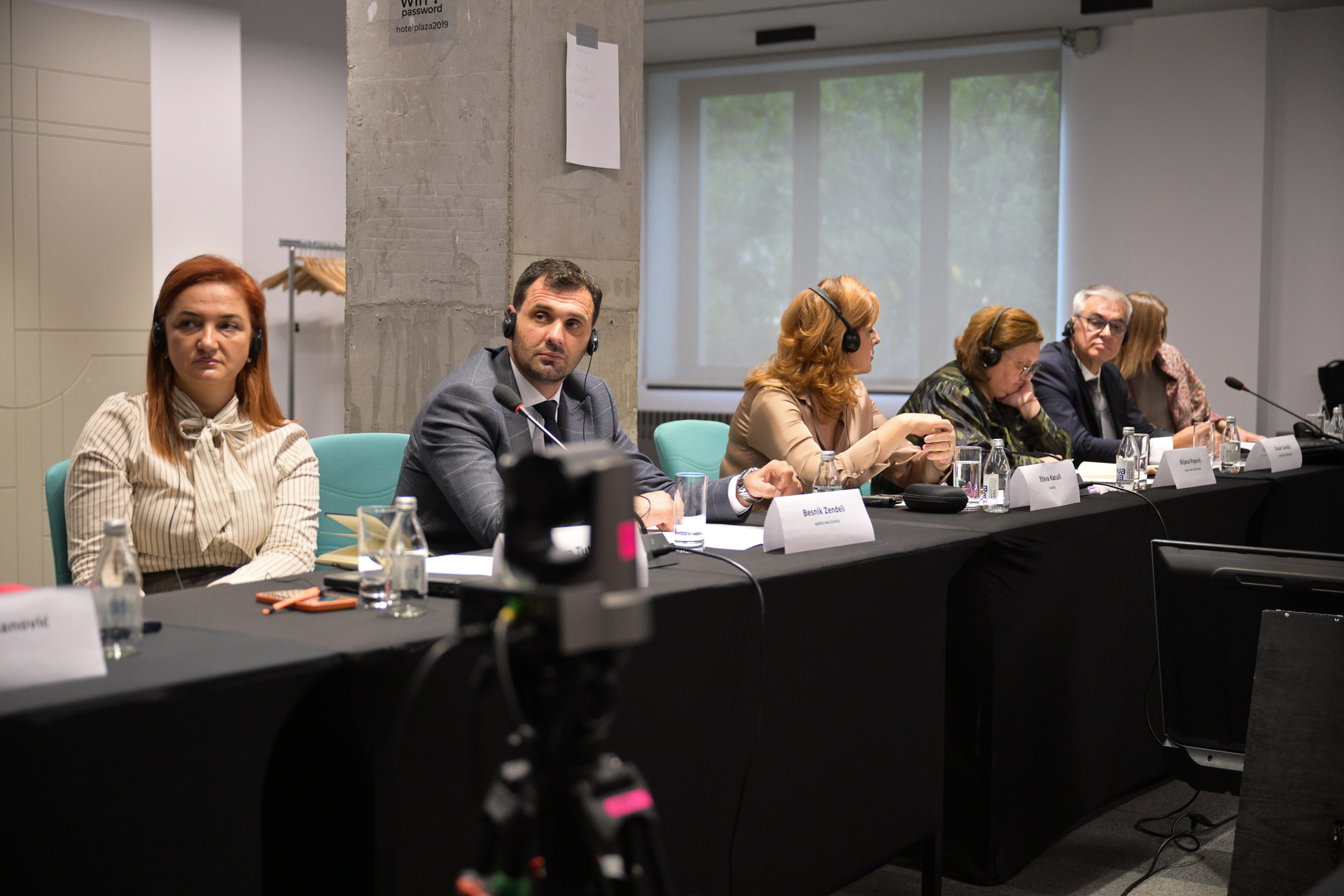
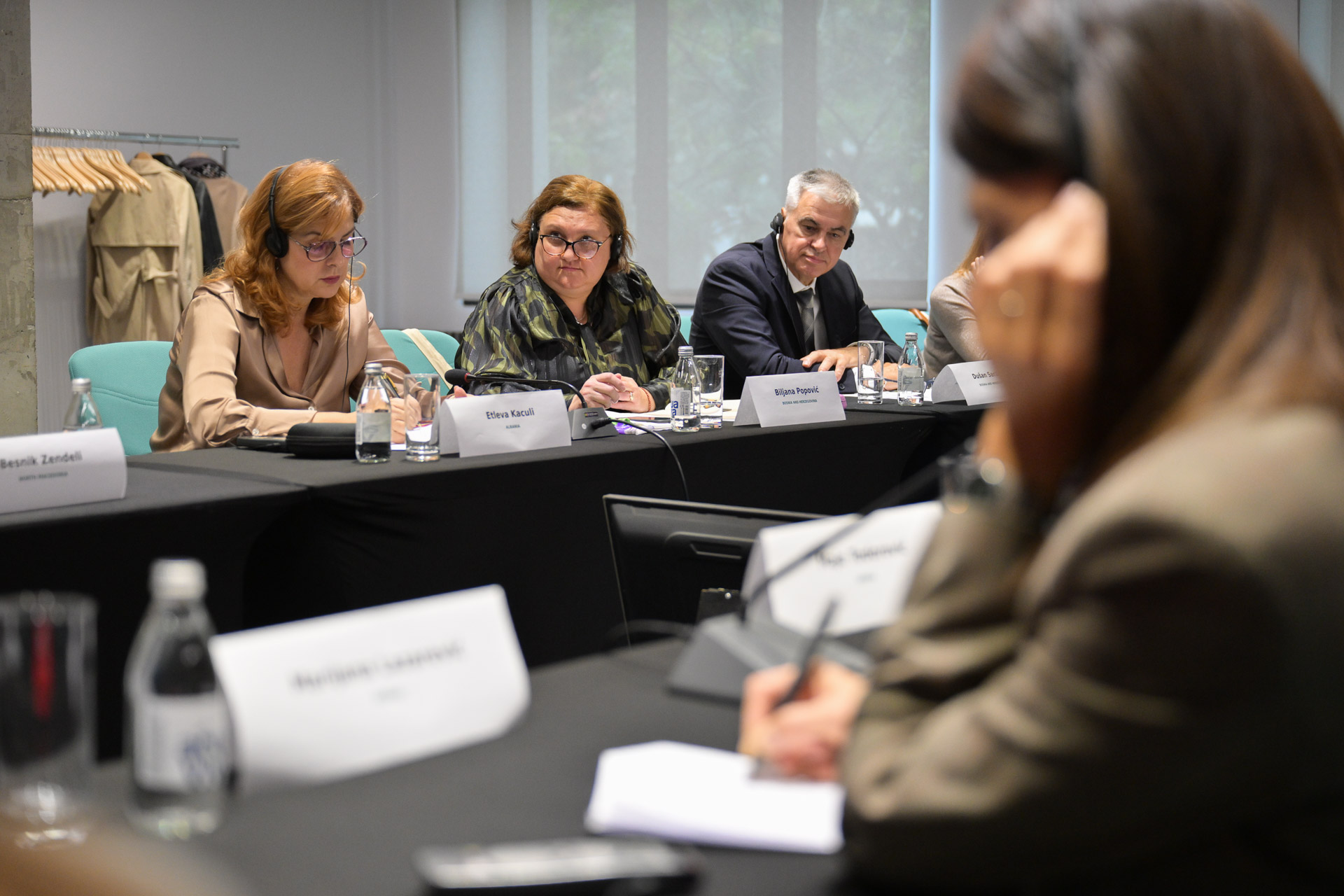
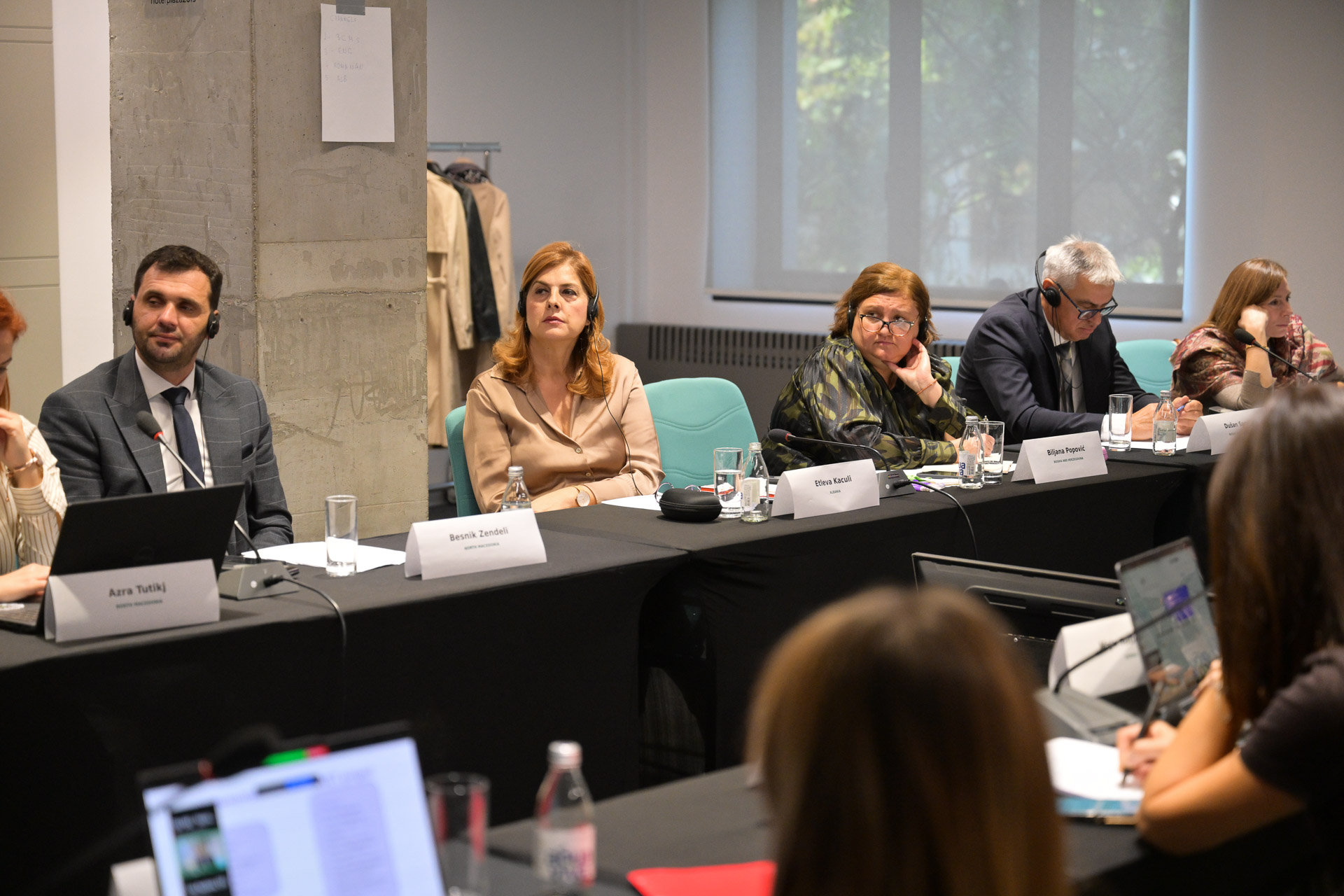
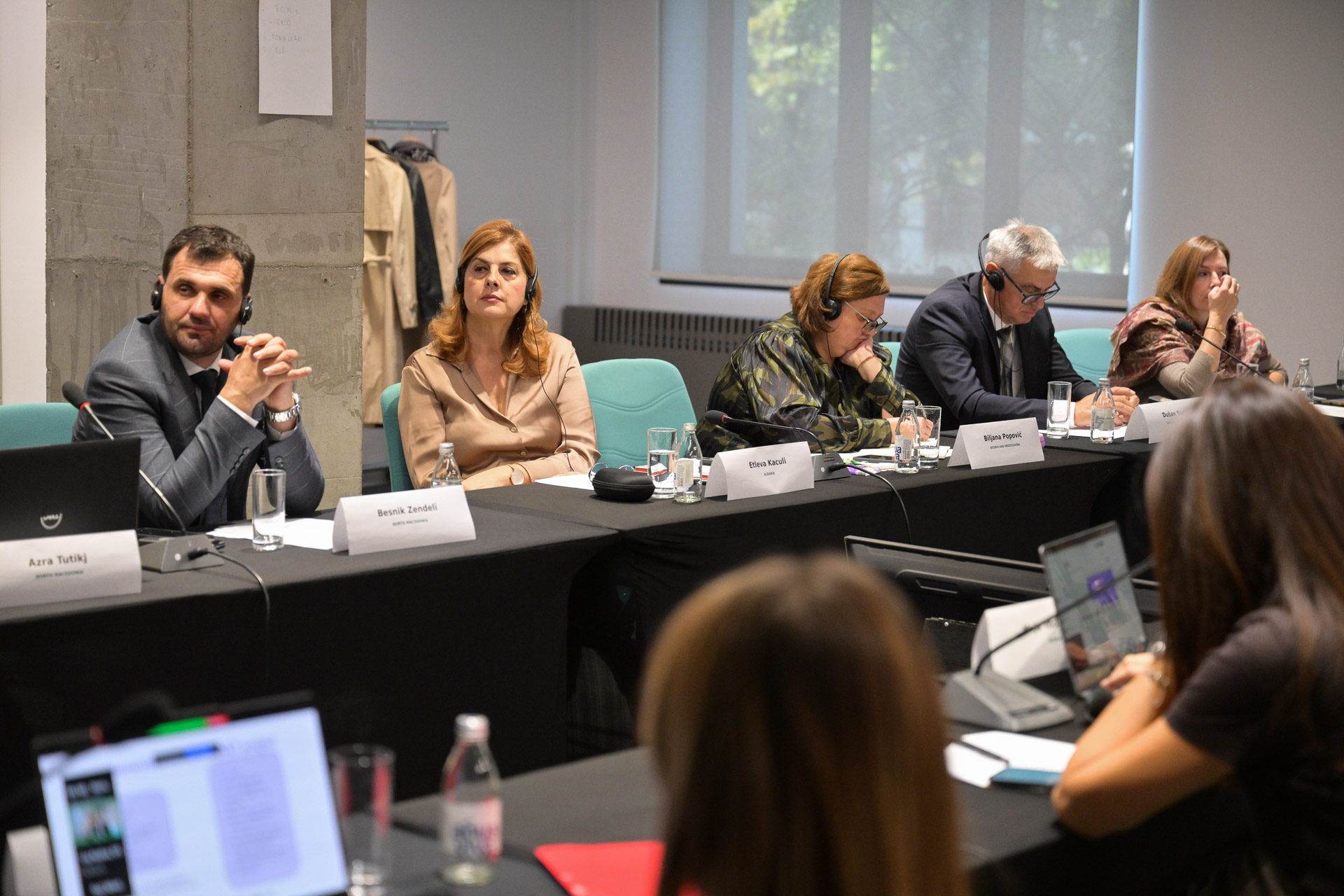
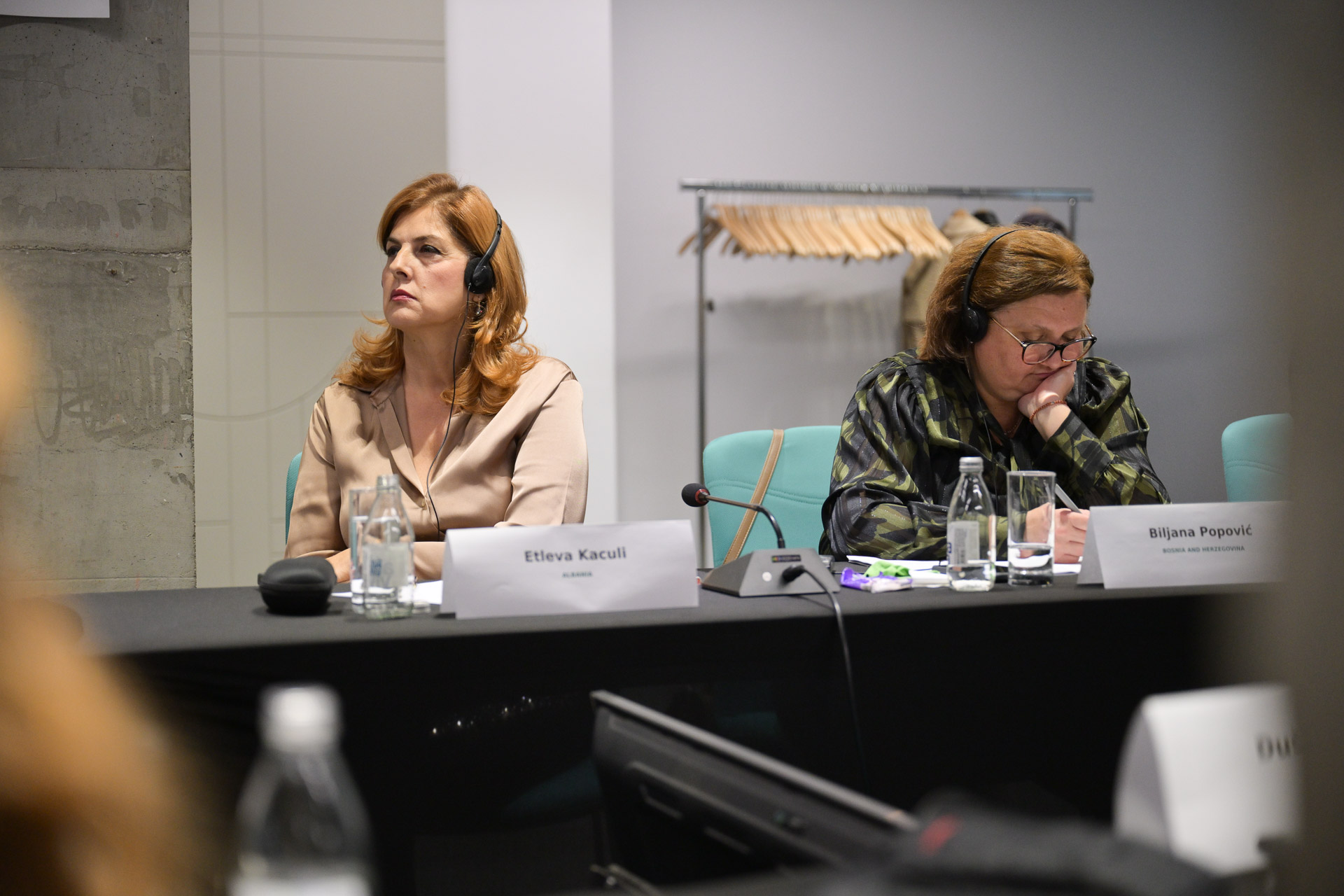
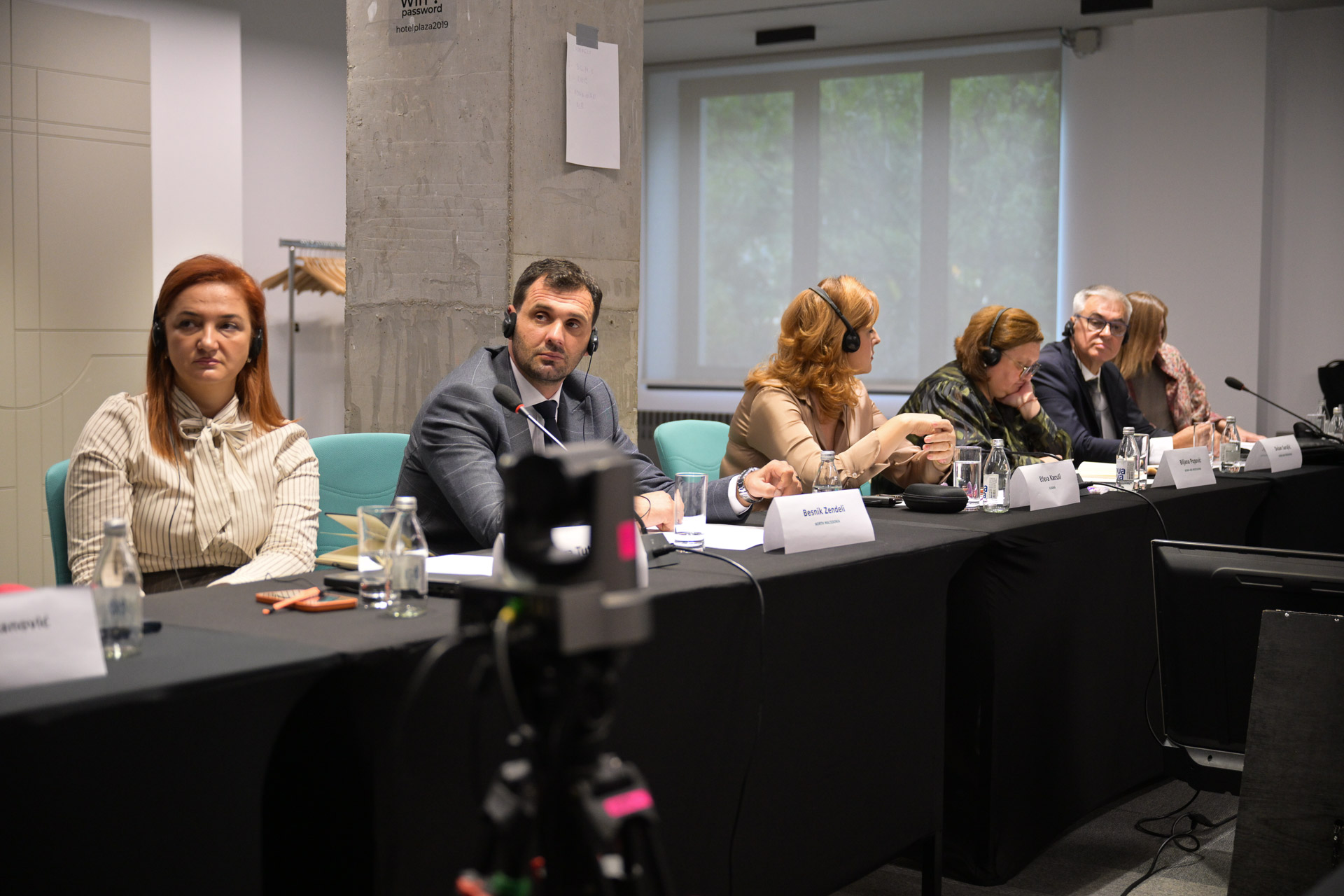
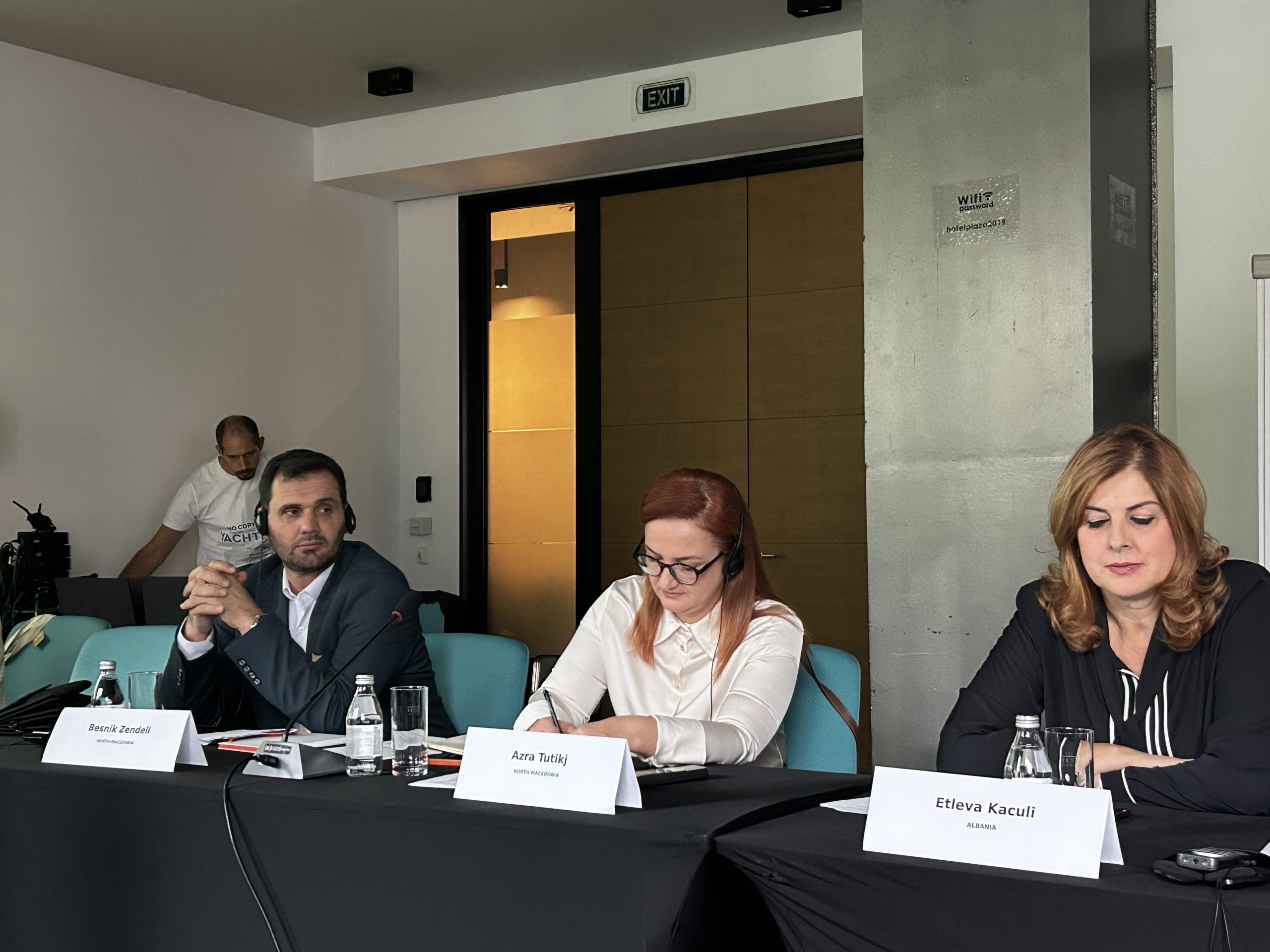
Working in groups, SEE VET Net members developed proposals for future activities and practical recommendations for regional cooperation. The workshop brought together Ejvis Gishti and Etleva Kaculi (Albania), Biljana Popović (Bosnia and Herzegovina), Azra Tutikj and Besnik Zendeli (North Macedonia), Dušan Bošković (Montenegro), Mihail Onoi (Moldova), and Maja Todorović and Zoran Spasić (Serbia). The group work was followed by presentations and a plenary discussion led by Sandra Brkanović, Director of ERI SEE.
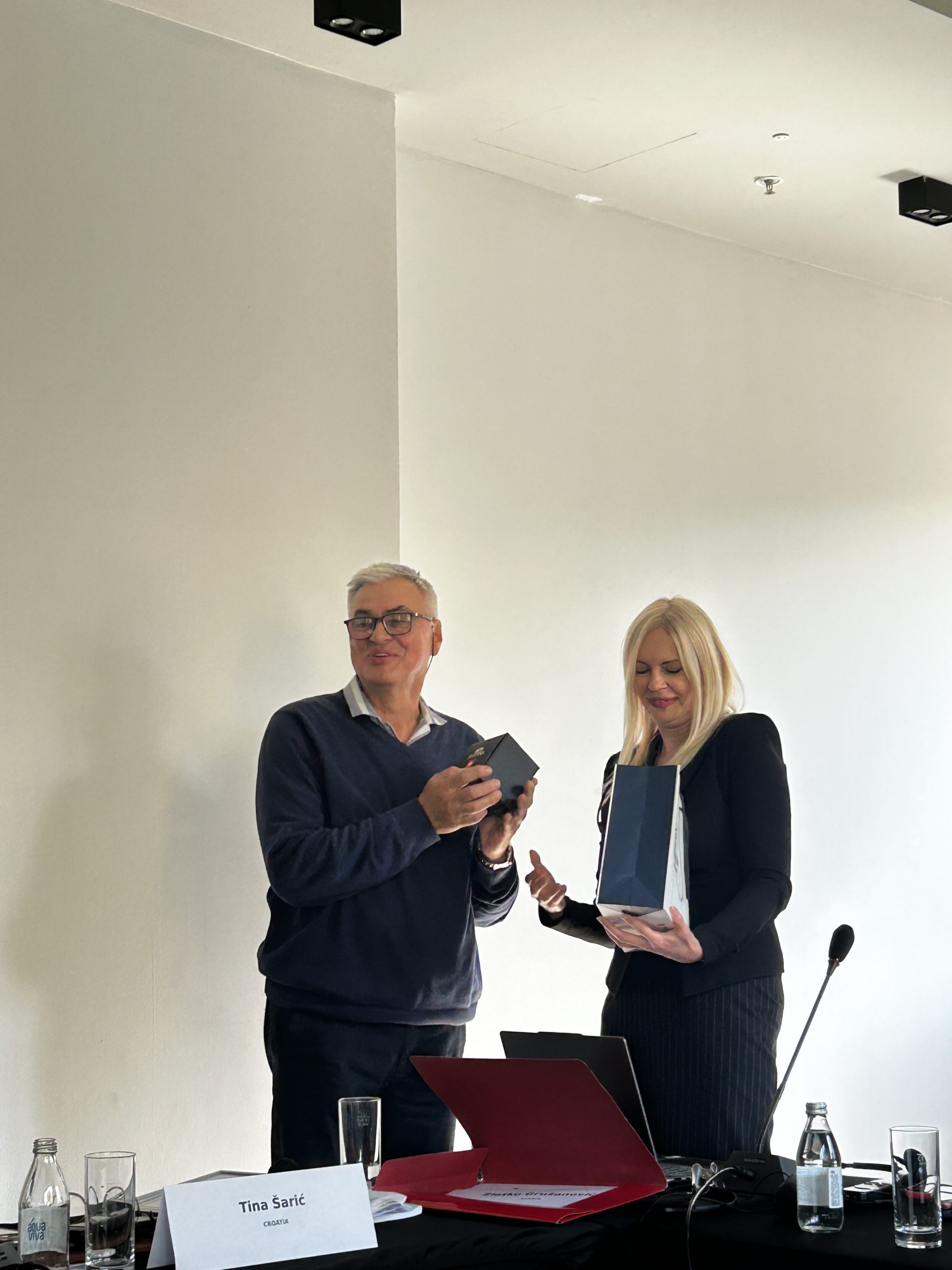
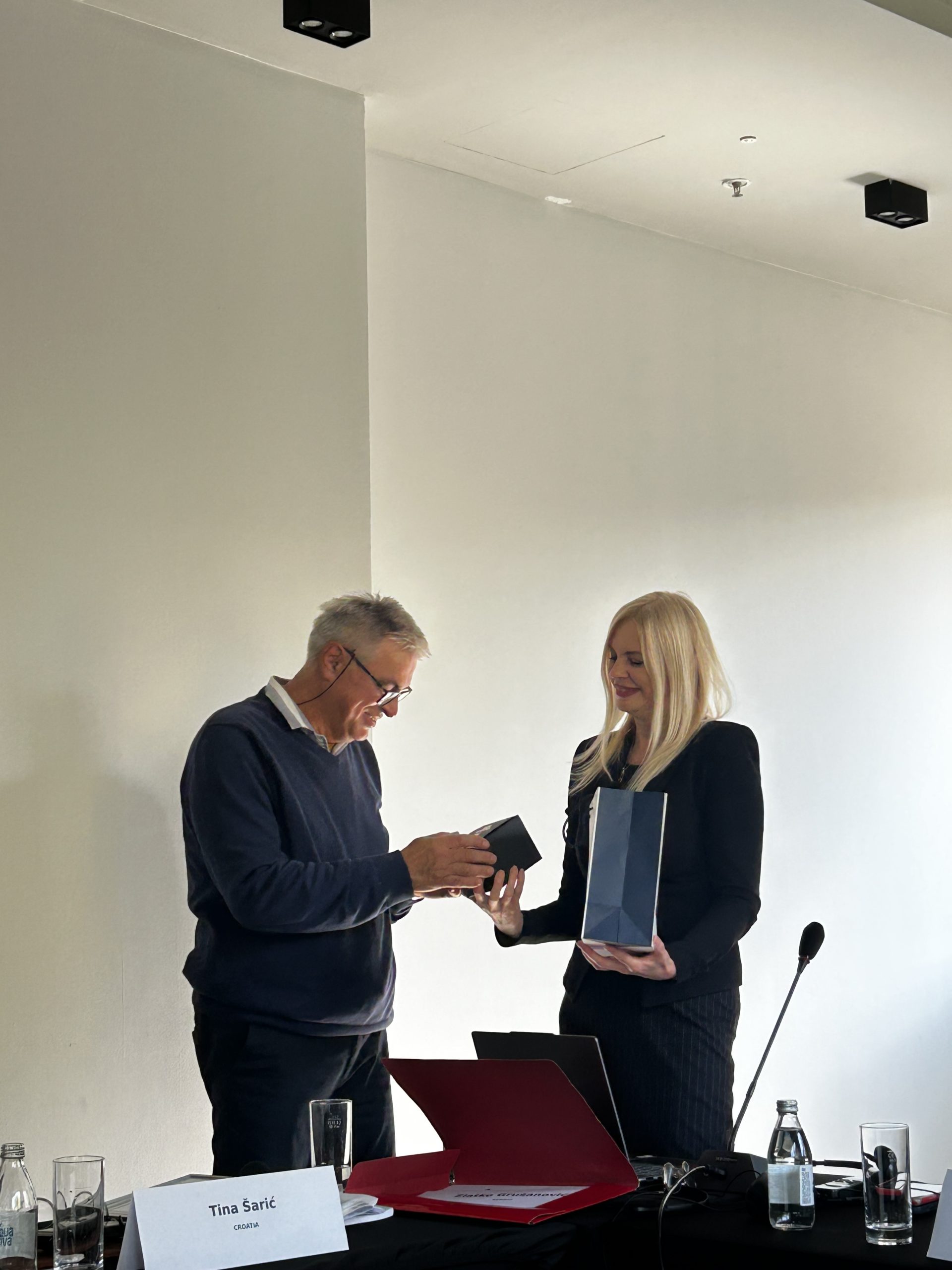
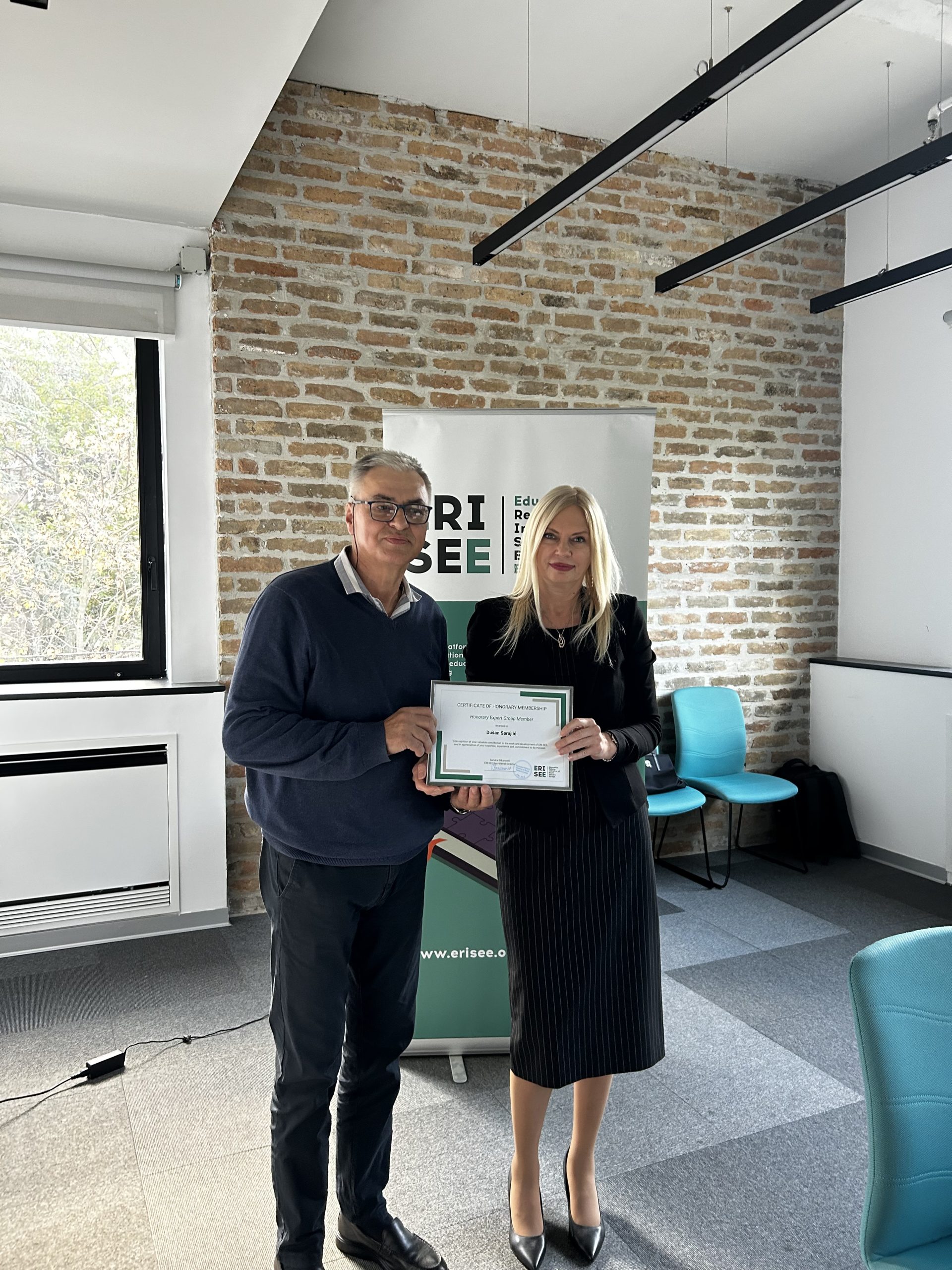
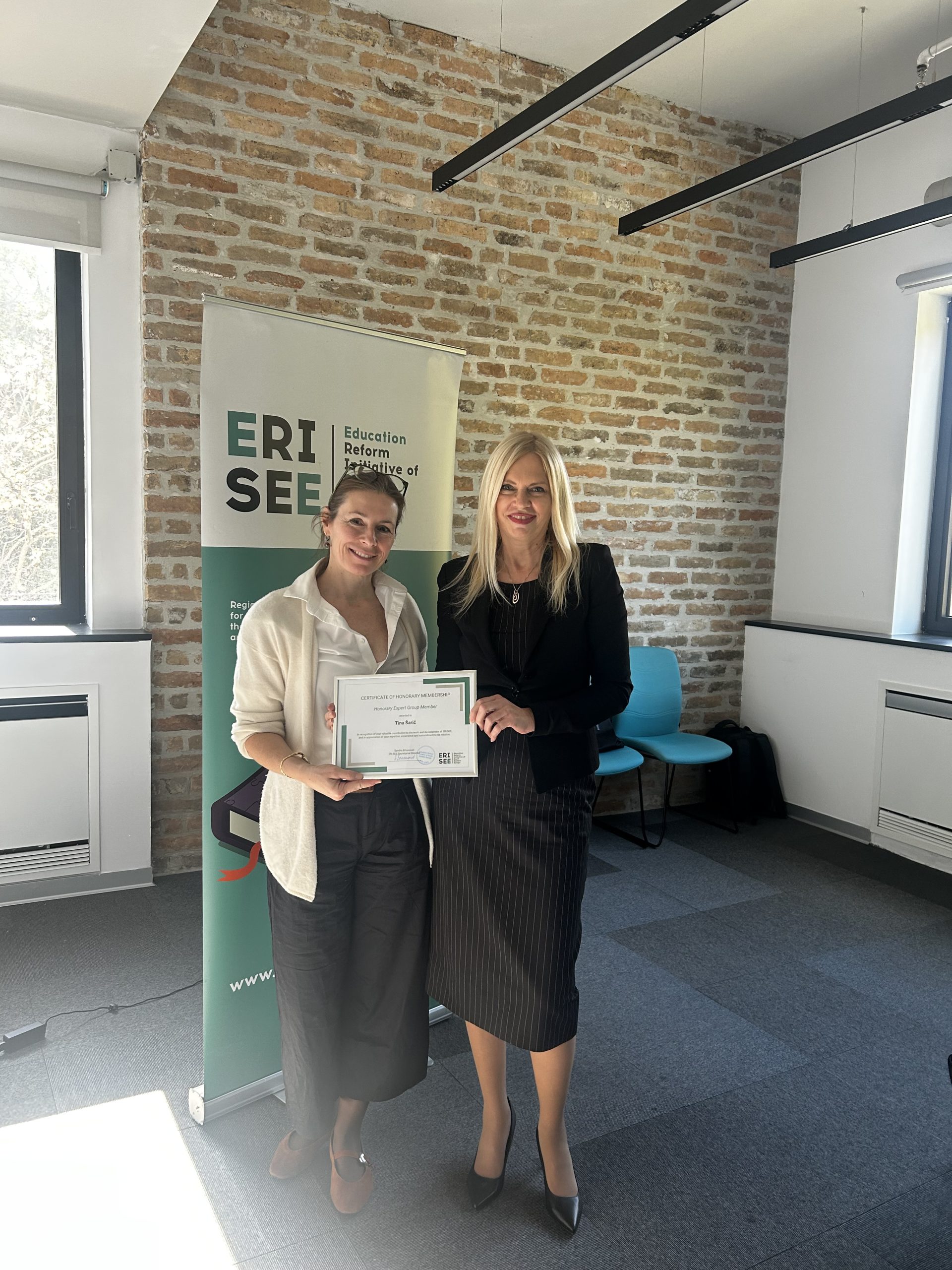
The programme also included a presentation of the ERI SEE Honorary Expert Group, which recognises individuals who have made significant contributions to ERI SEE and regional cooperation in education and VET. Tina Šarić, former Director of the ERI SEE Secretariat, and Dušan Sarajlić, former National Coordination Point for VET and representative of the Agency for Pre-primary, Primary and Secondary Education (APOSO) of Bosnia and Herzegovina, were recognised as the Group’s first members. The Group aims to maintain lasting connections with experienced professionals and enable ERI SEE to continue benefiting from their knowledge, expertise and support.
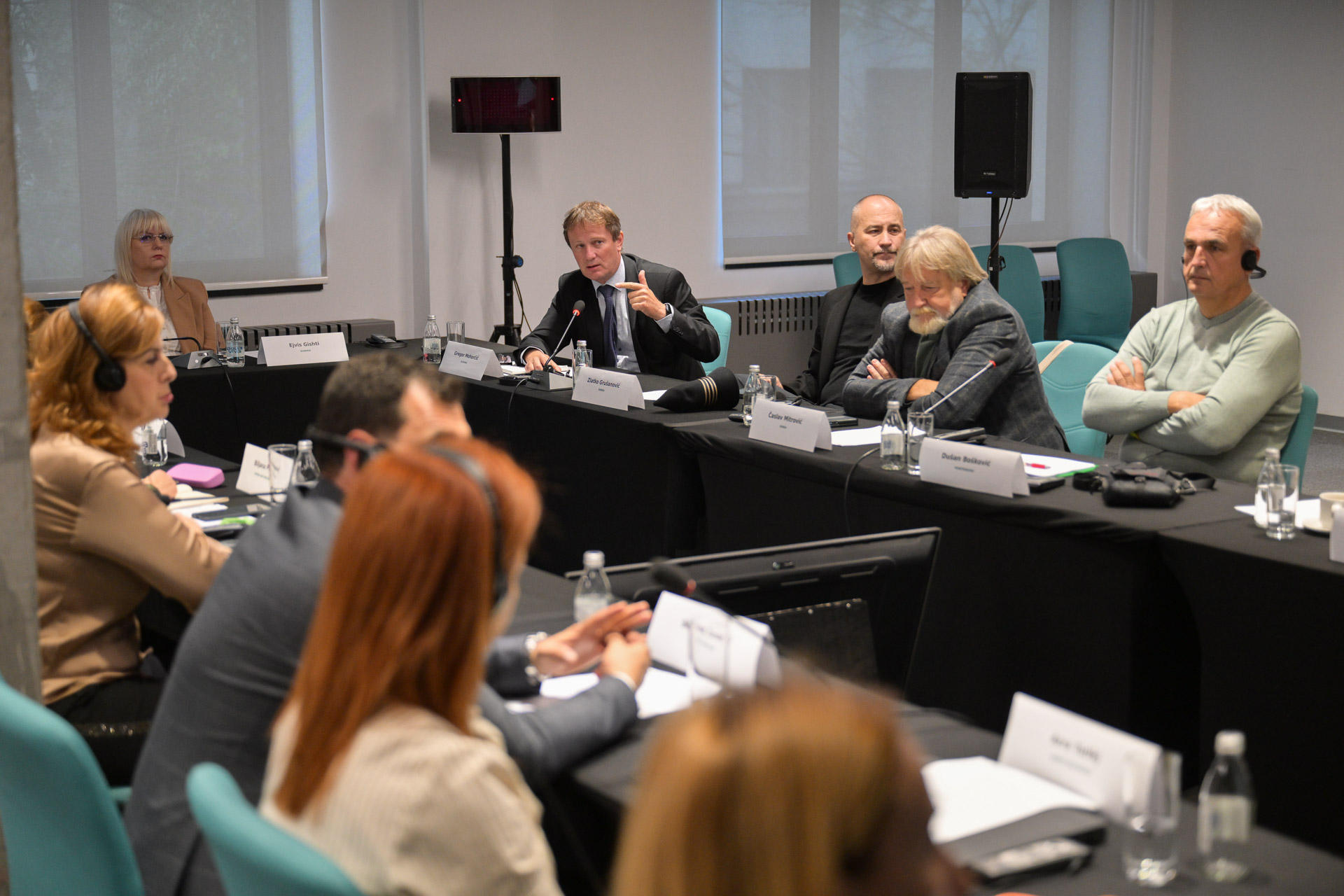
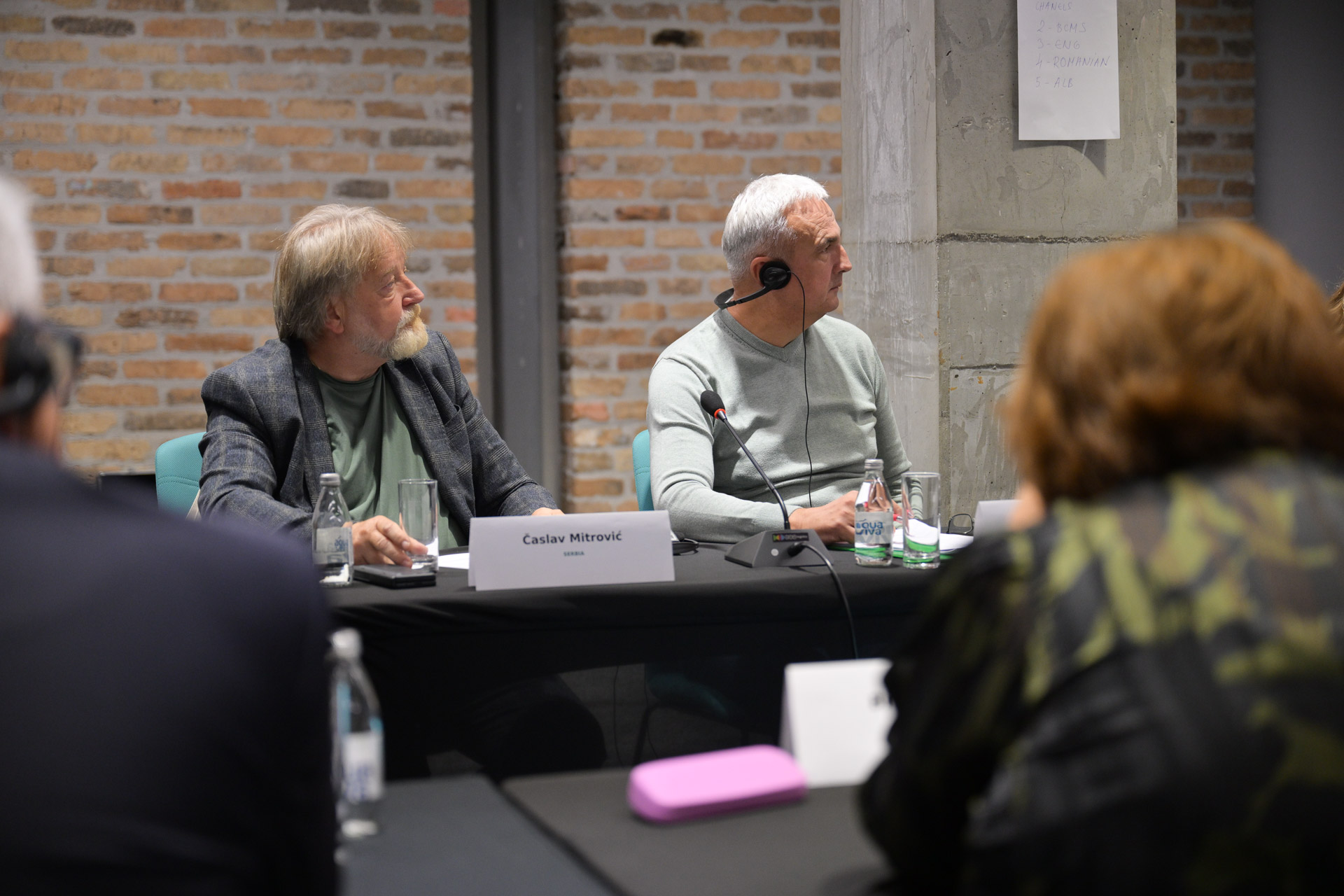
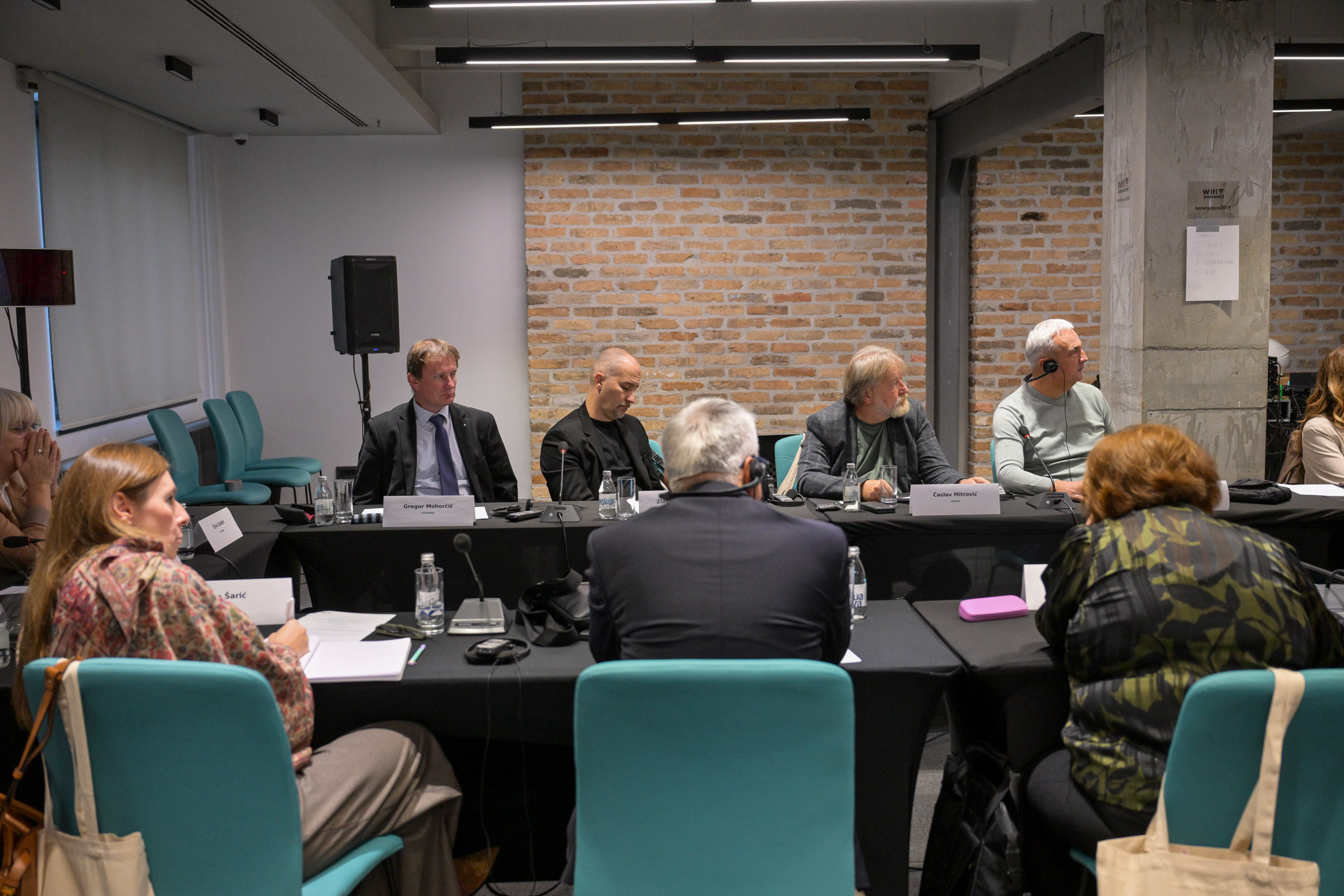
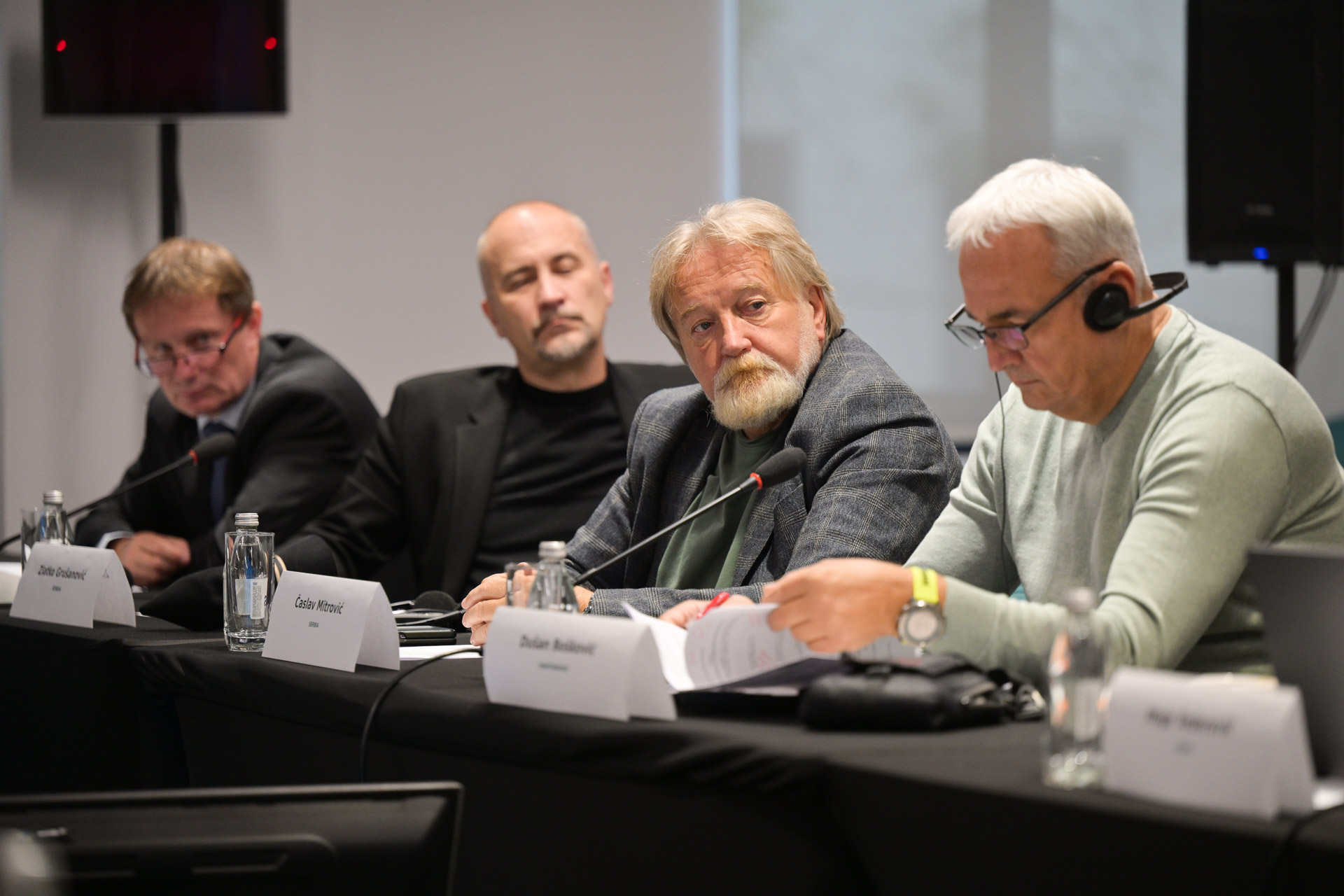
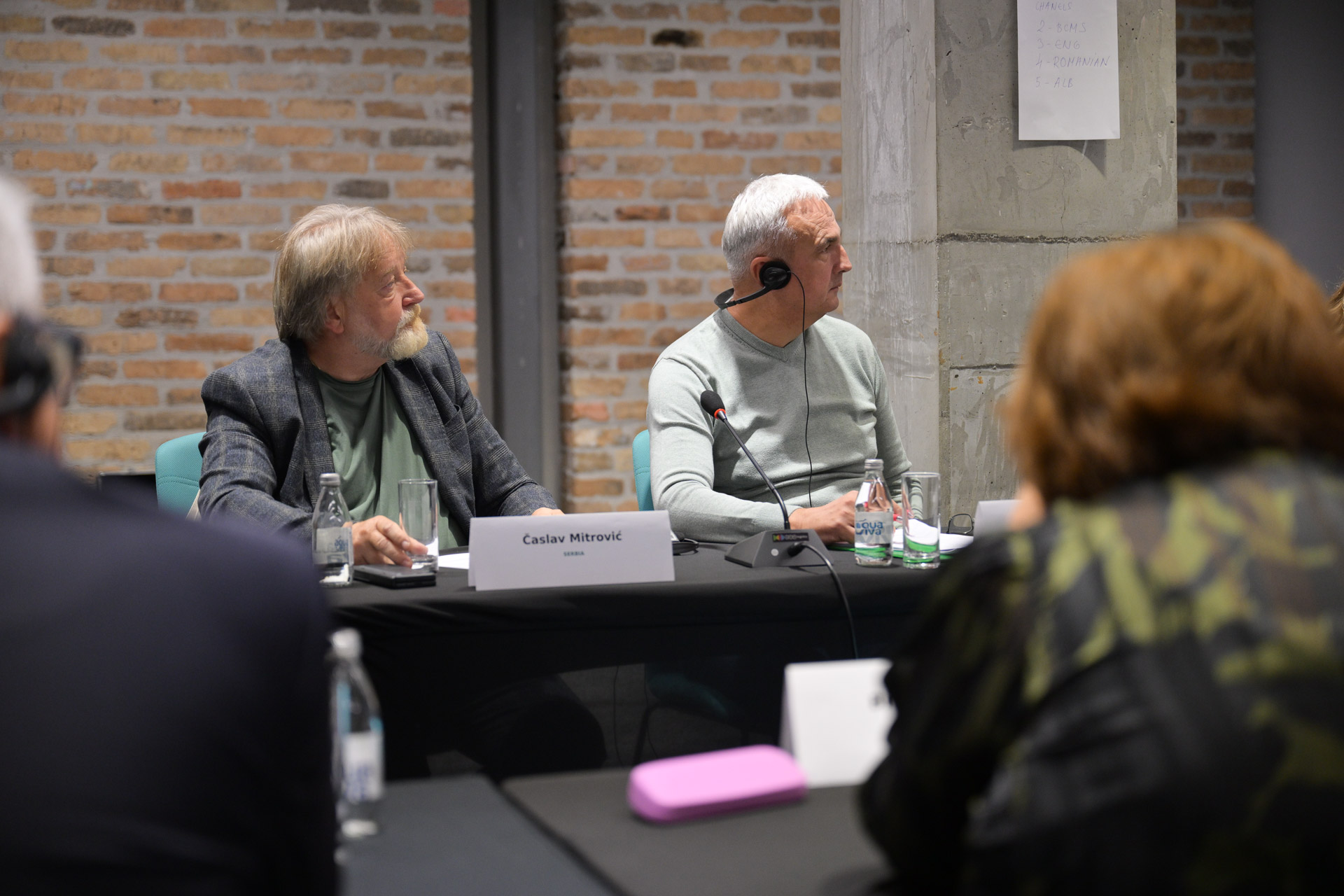
The meeting also brought together other representatives of national institutions, including Prof. Dr Časlav Mitrović, Director of the Qualifications Agency of Serbia; Zlatko Grušanović, Director of the Institute for the Improvement of Education of Serbia; Marijana Lazarević, Advisor at the same Institute; Besnik Zendeli, Director of the Centre for the Development of Vocational Education and Training in North Macedonia; and Zoran Spasić, Head of the Centre for Accreditation of Publicly Recognised Organisers of Adult Education Activities (JPOA) at the Qualifications Agency of Serbia.
Looking Ahead
The SEE VET Net Meeting 2026 reaffirmed the importance of sustained regional dialogue, knowledge exchange and institutional cooperation in addressing shared challenges in vocational education and training.
Across the two days, participants explored European developments, national reform experiences and emerging approaches to flexible learning, while identifying areas where regional cooperation can provide practical added value. The discussions also demonstrated the importance of connecting national initiatives with wider European priorities and partnerships.
The work on the SEE VET Net Roadmap for 2027 provided a basis for identifying future priorities and possible joint activities, including cooperation on VET learner mobility, skills development, qualifications, recognition of learning and flexible learning pathways.
Through SEE VET Net, ERI SEE will continue to support dialogue among national institutions and partners, connect shared needs with regional initiatives, and promote cooperation towards more flexible, inclusive and responsive VET systems across South Eastern Europe.
The meeting agenda can be downloaded here.
