

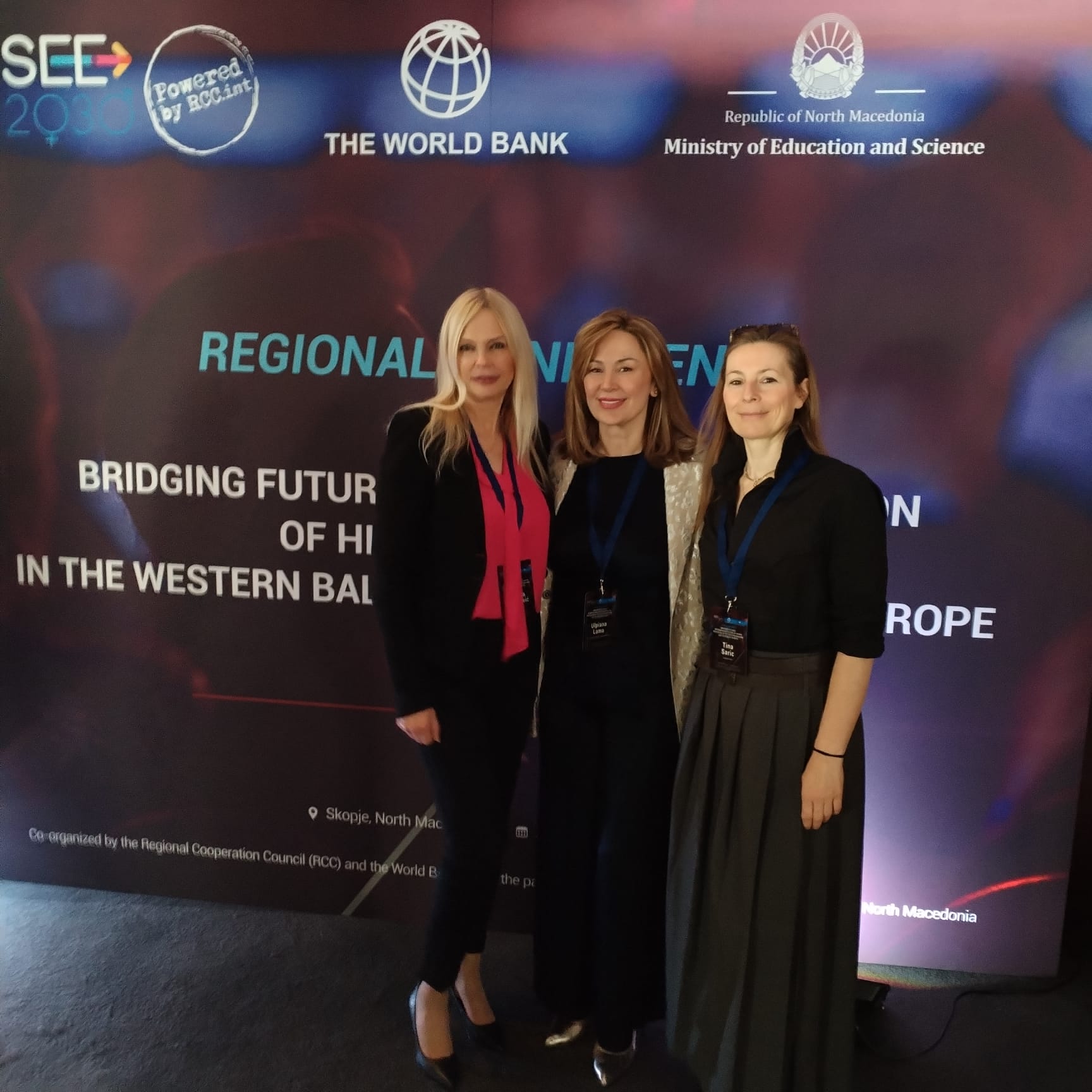
Strengthening Regional Cooperation in Higher Education: ERI SEE at the Regional Conference on Higher Education Internationalisation in Skopje
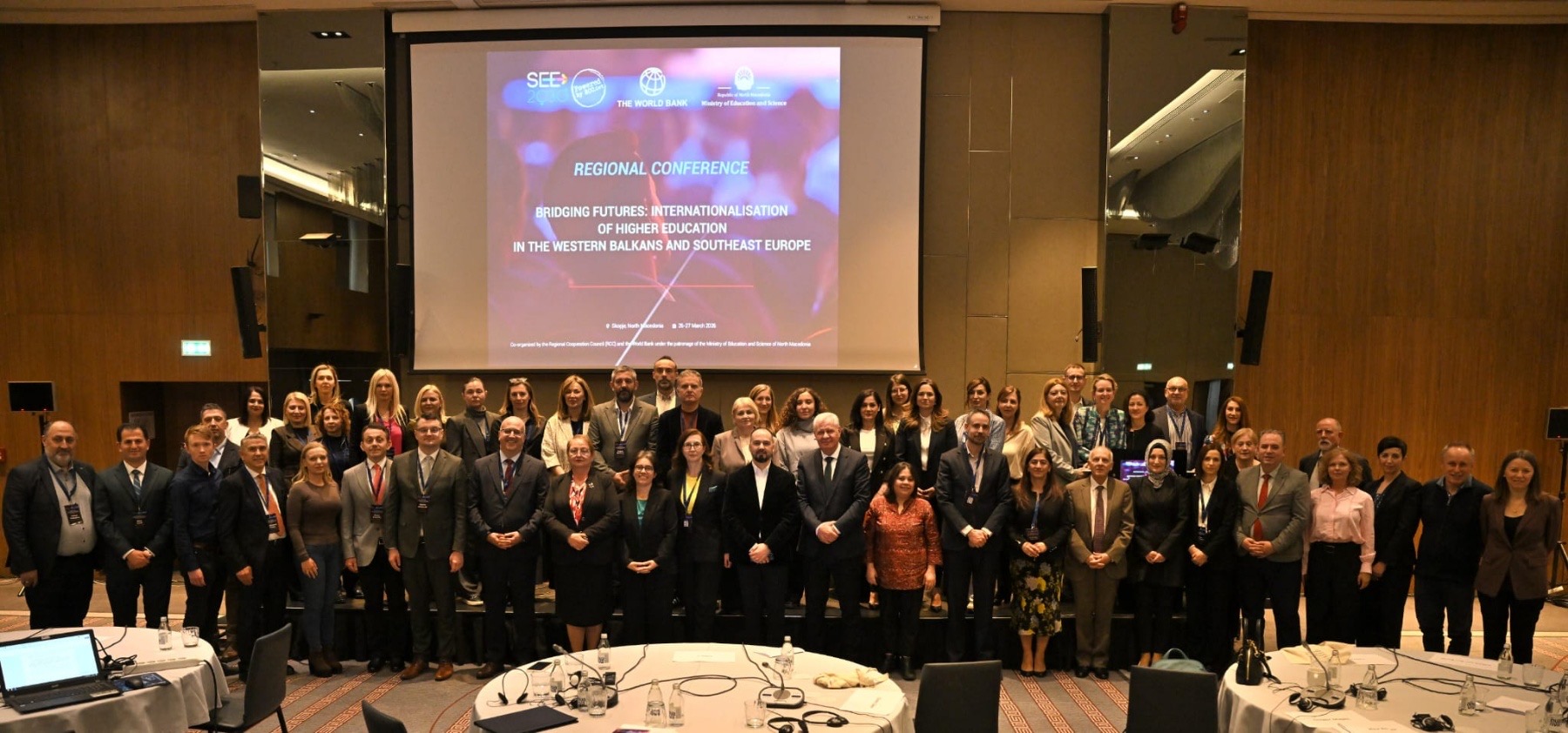
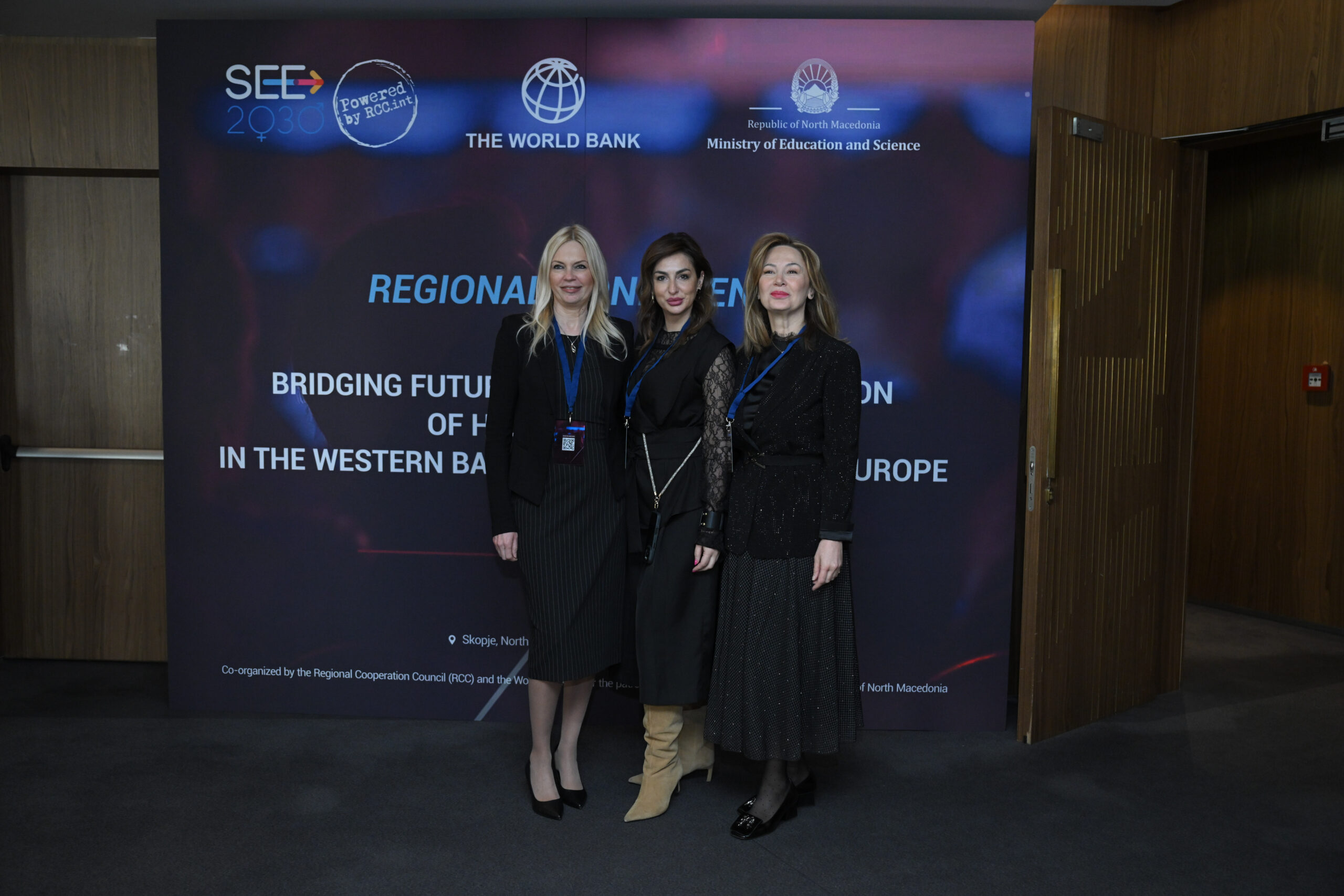
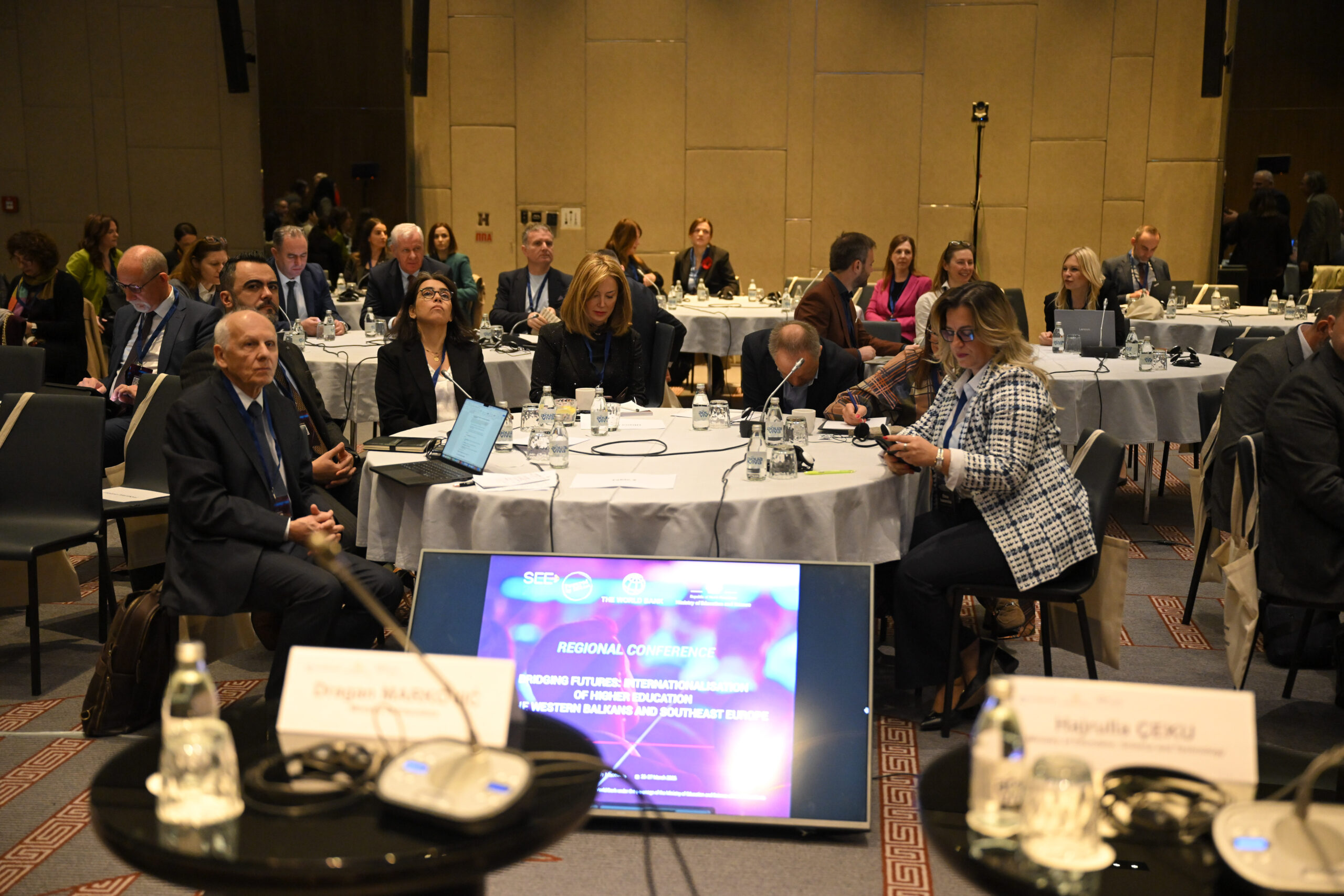
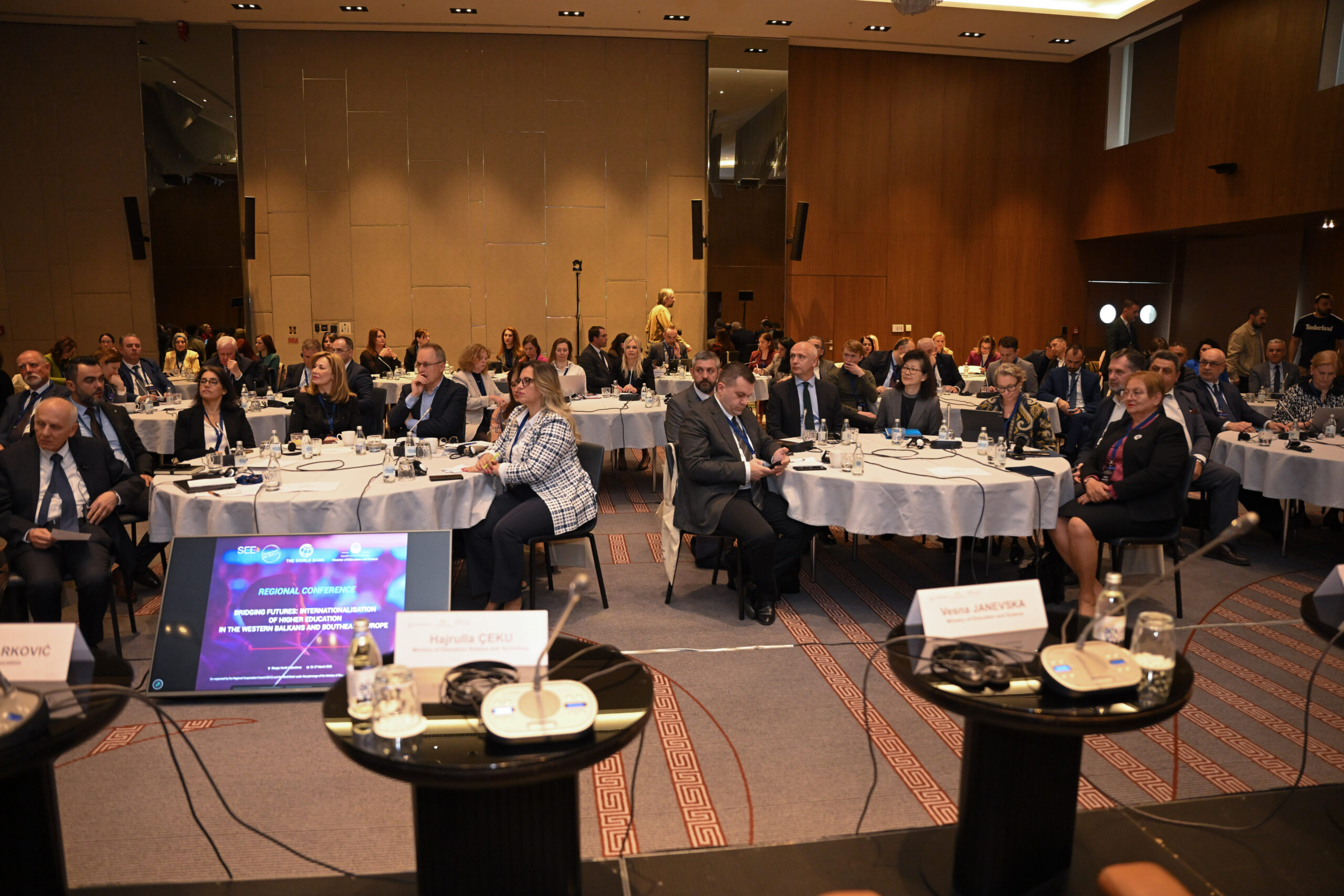
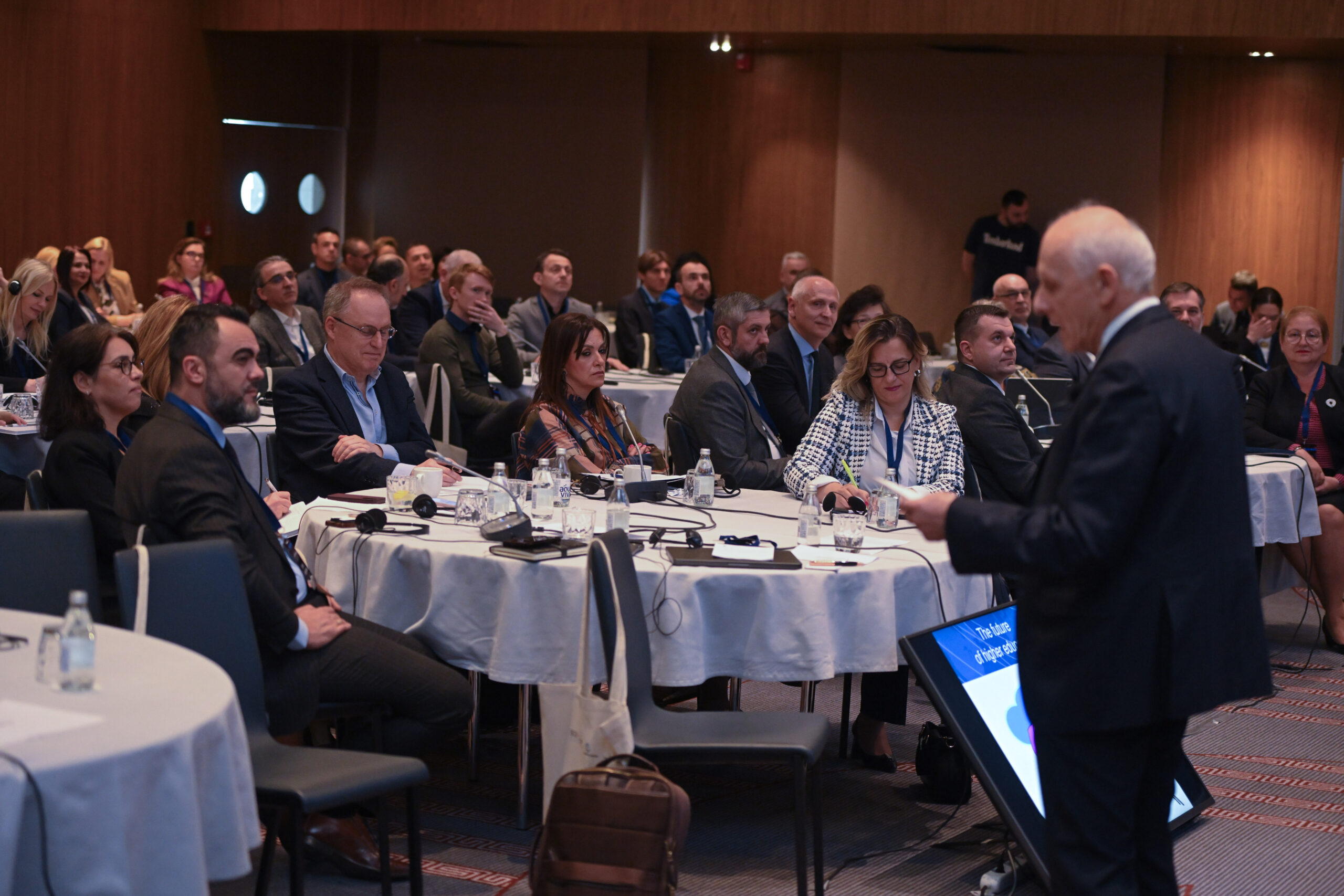
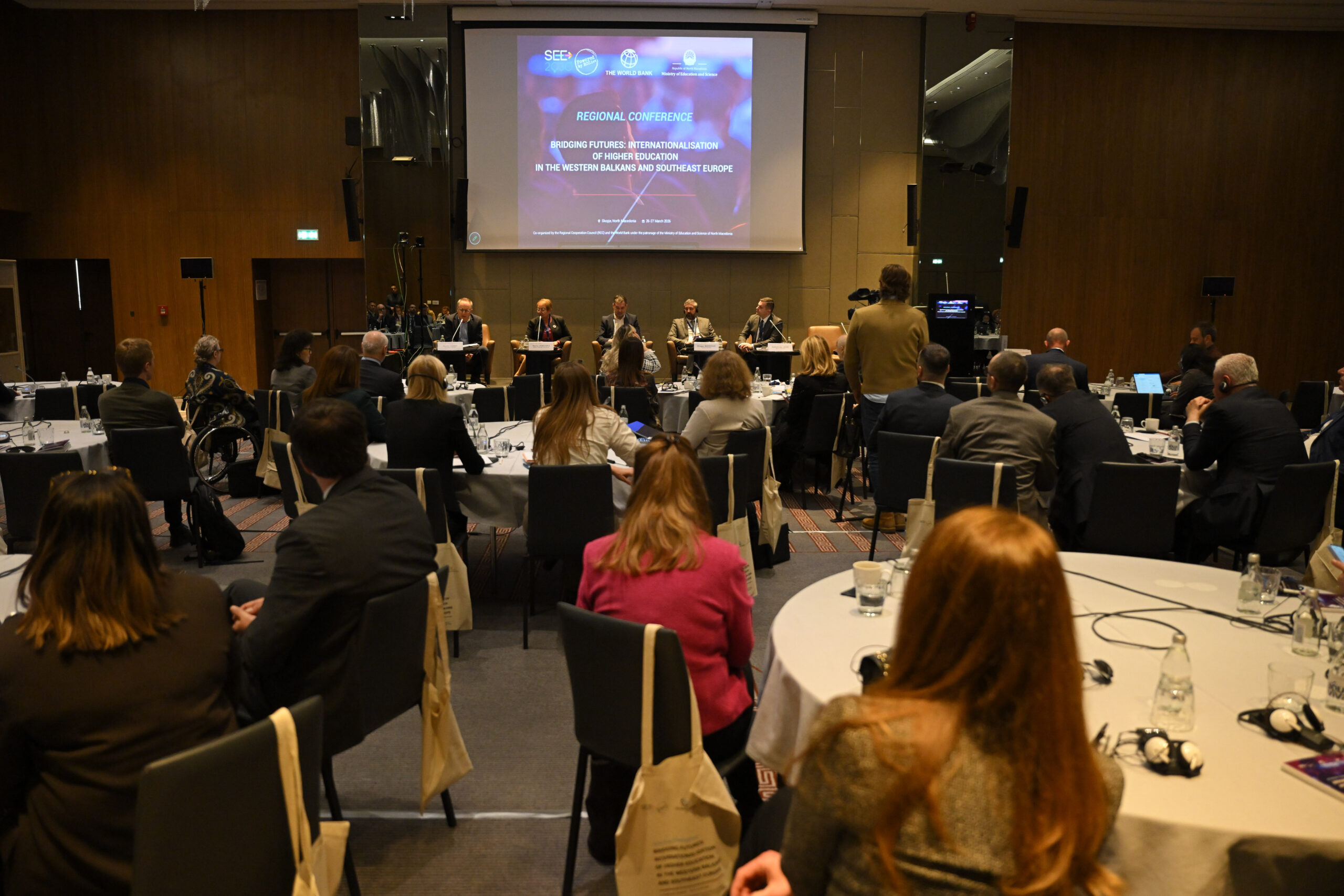
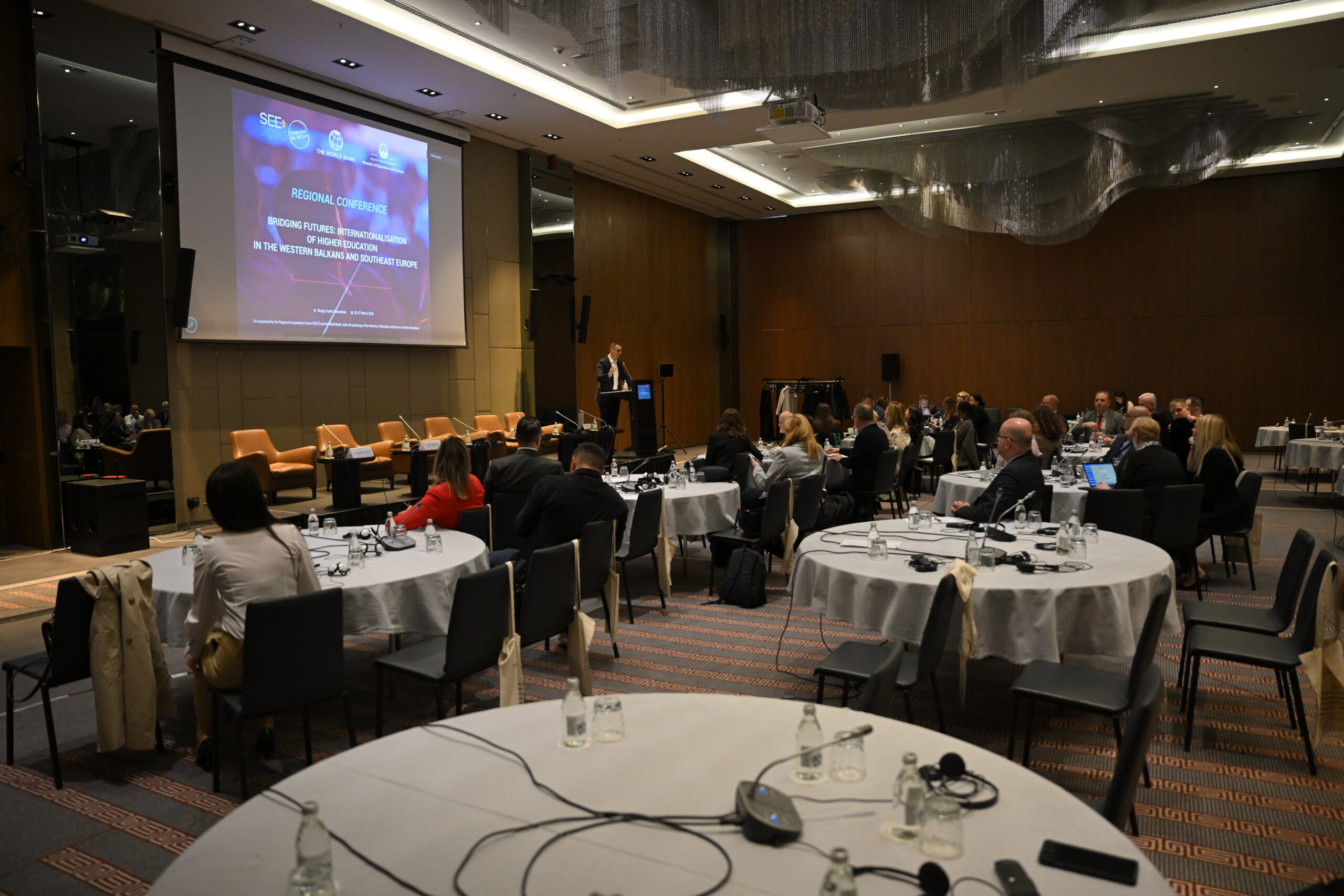
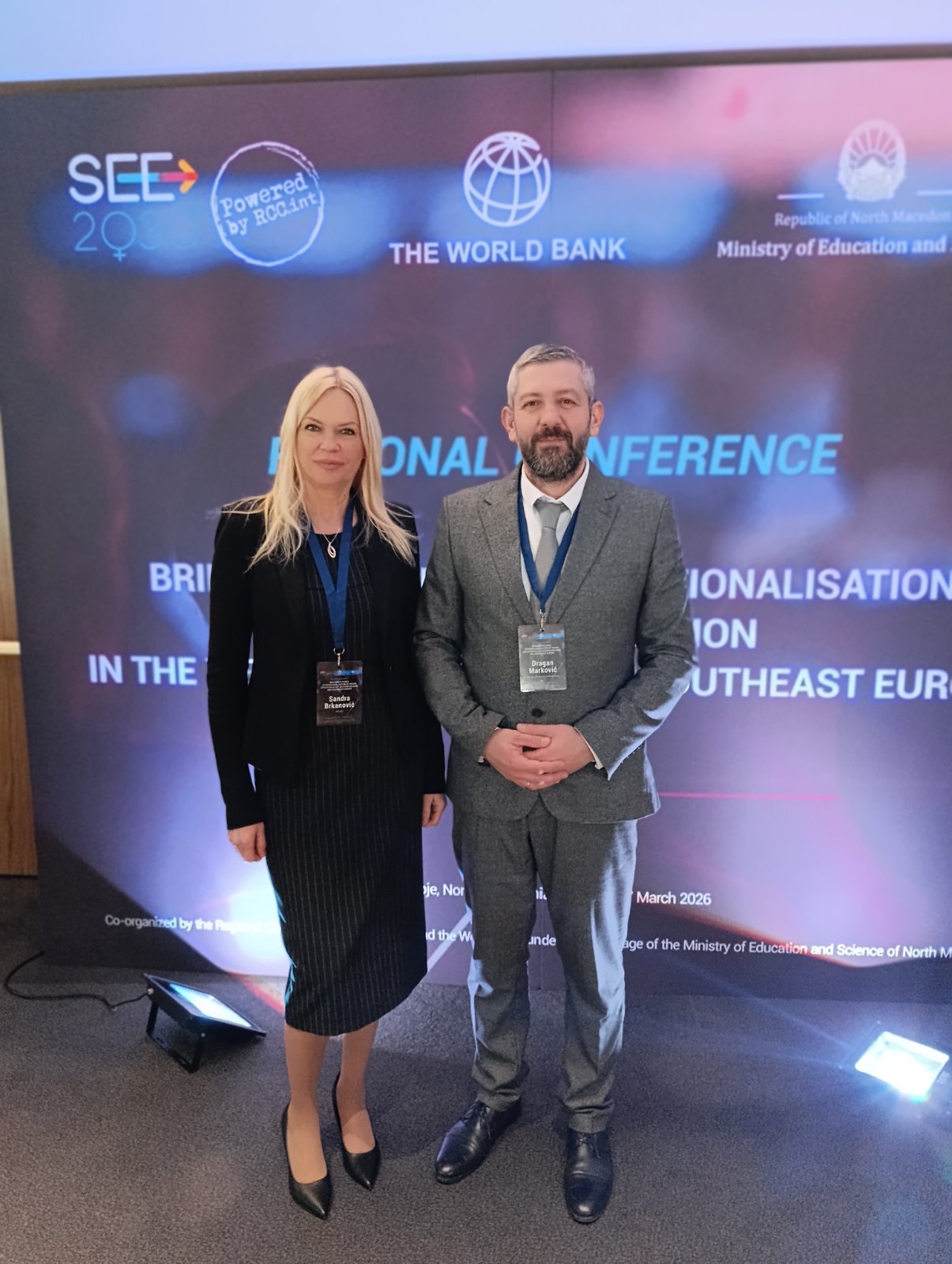
The regional conference “Bridging Futures: Internationalisation of Higher Education in the Western Balkans and Southeast Europe” took place on 26–27 March 2026 in Skopje, co-organised by the Regional Cooperation Council (RCC) and The World Bank, under the patronage of the Ministry of Education and Science of North Macedonia.
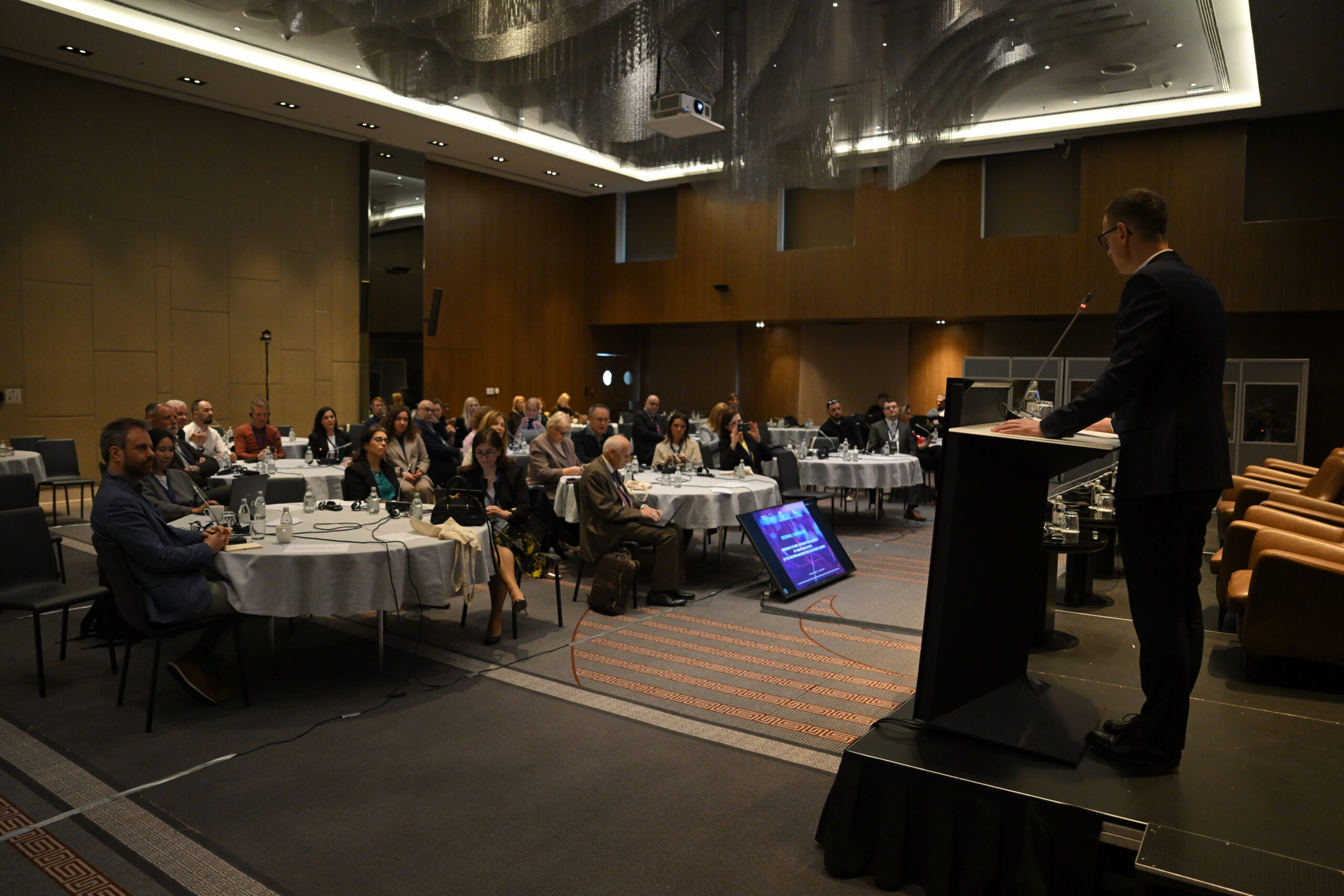
The conference brought together ministers and representatives of ministries of education from across the region, alongside policymakers, representatives of higher education institutions, quality assurance bodies, industry representatives, and international experts. The event was opened by Vesna Janevska, Minister of Education and Science of North Macedonia, Amer Kapetanović, Secretary General of RCC, and Xiaoqing Yu, World Bank Division Director for the Western Balkans. In their opening remarks, they emphasised that, in the context of rapid digital transformation and increasing global competition, regional cooperation is becoming a key driver of quality, relevance, and competitiveness in education systems.
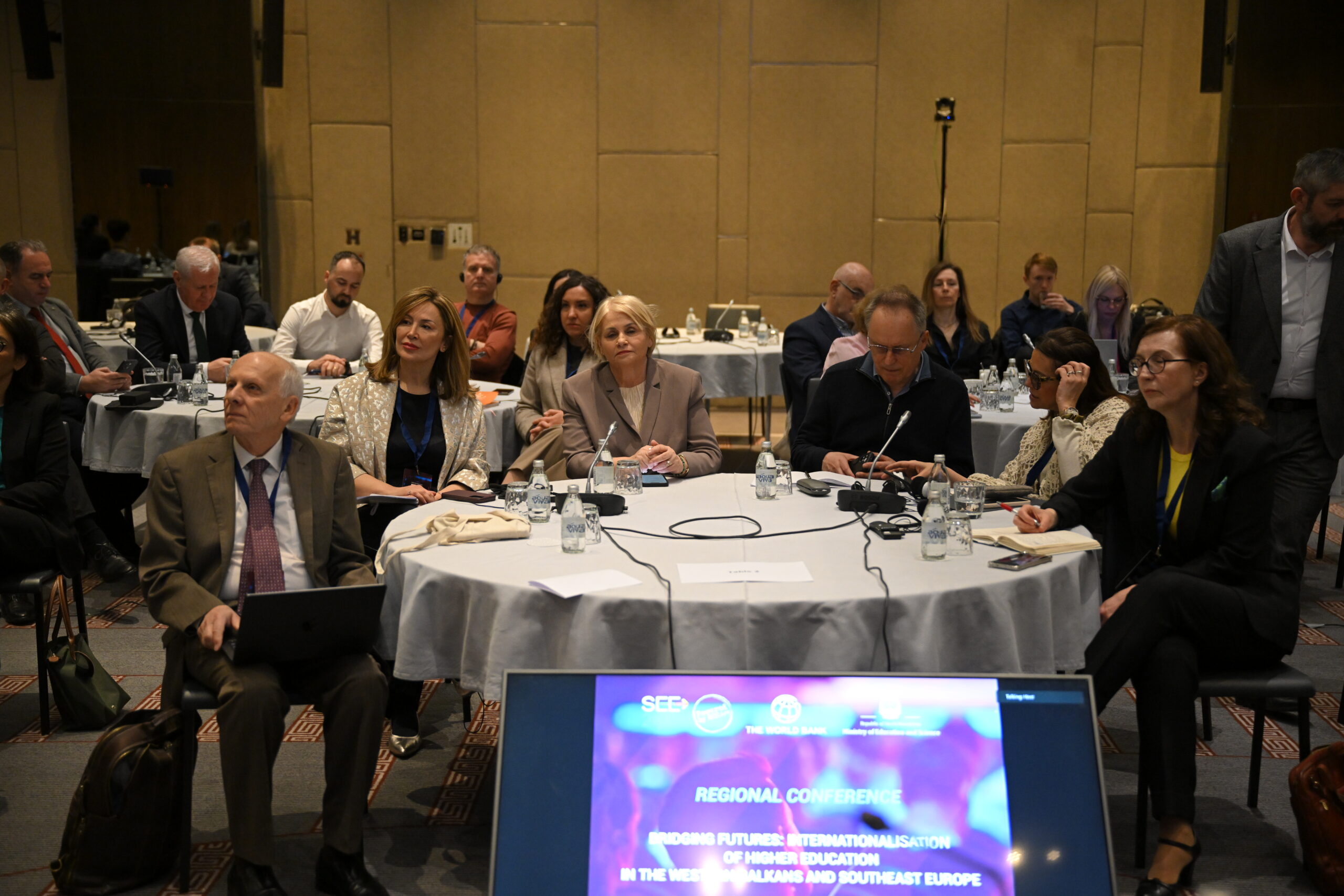
Discussions focused on strategic priorities for higher education development in the region, with particular emphasis on strengthening regional cooperation and alignment with European higher education and research frameworks. Internationalisation was highlighted as a key instrument for enhancing competitiveness, supporting talent circulation, and fostering innovation, while also emphasising that it should not be viewed solely through the lens of mobility, but rather as a matter of quality and long-term system stability. It was further noted that study models need to become less linear, more flexible, and better adapted to the evolving needs of the labour market and society.
The conference included a ministerial roundtable on global competitiveness and EU alignment, as well as thematic policy panels addressing mobility, innovation and industry partnerships, quality assurance, governance, and financing. On the second day, interactive Lab sessions focused on translating policy priorities into practical approaches, covering topics such as governance and quality systems, youth mobility, and skills for the future.
Particular attention was given to improving mobility mechanisms for students and professionals, mutual recognition of qualifications, strengthening cooperation between universities and industry, and developing performance-based financing models. Discussions also addressed accreditation and benchmarking practices, cooperation among national quality assurance agencies, and the development of data systems supporting graduate mobility and policy coordination.
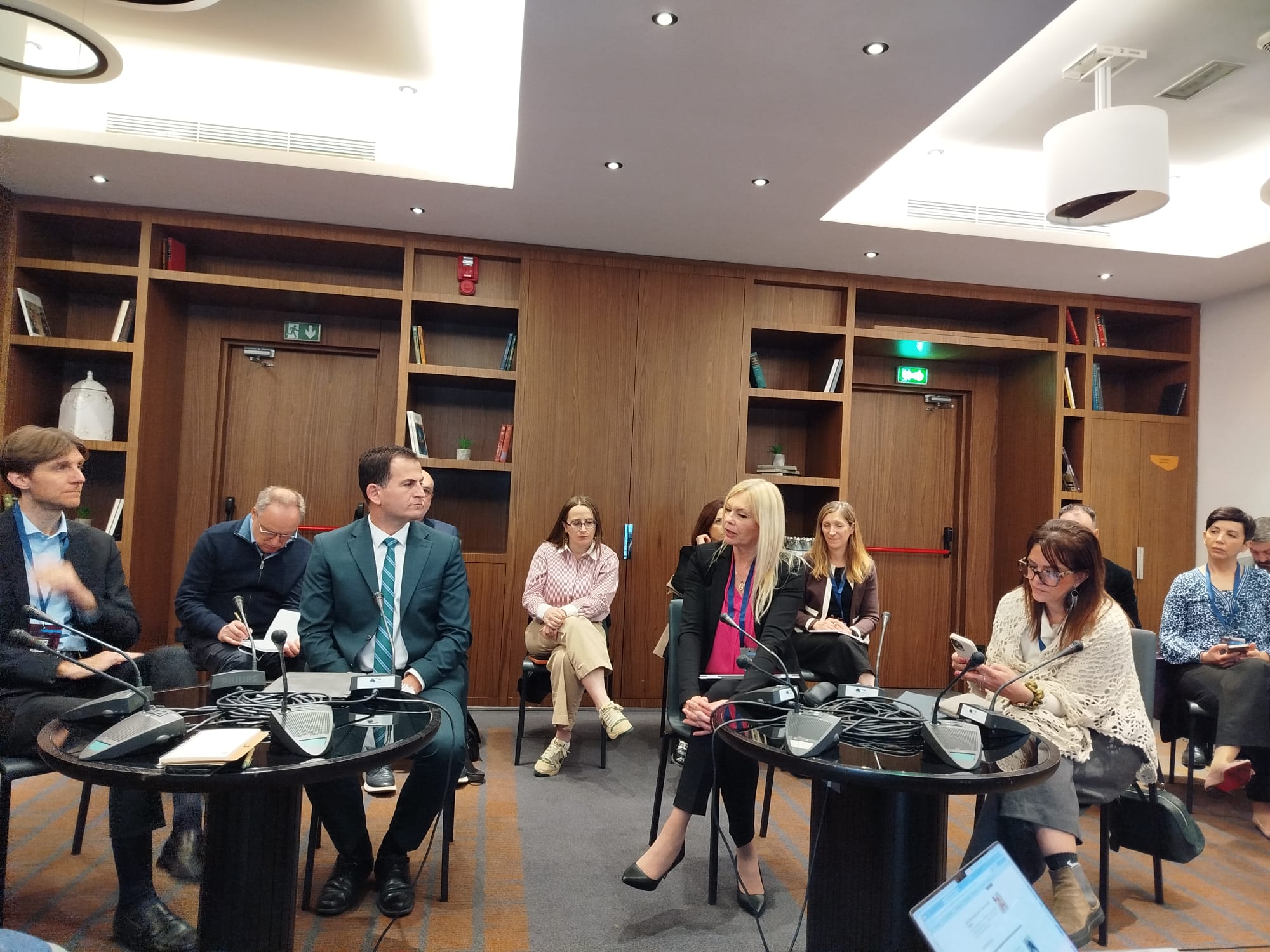
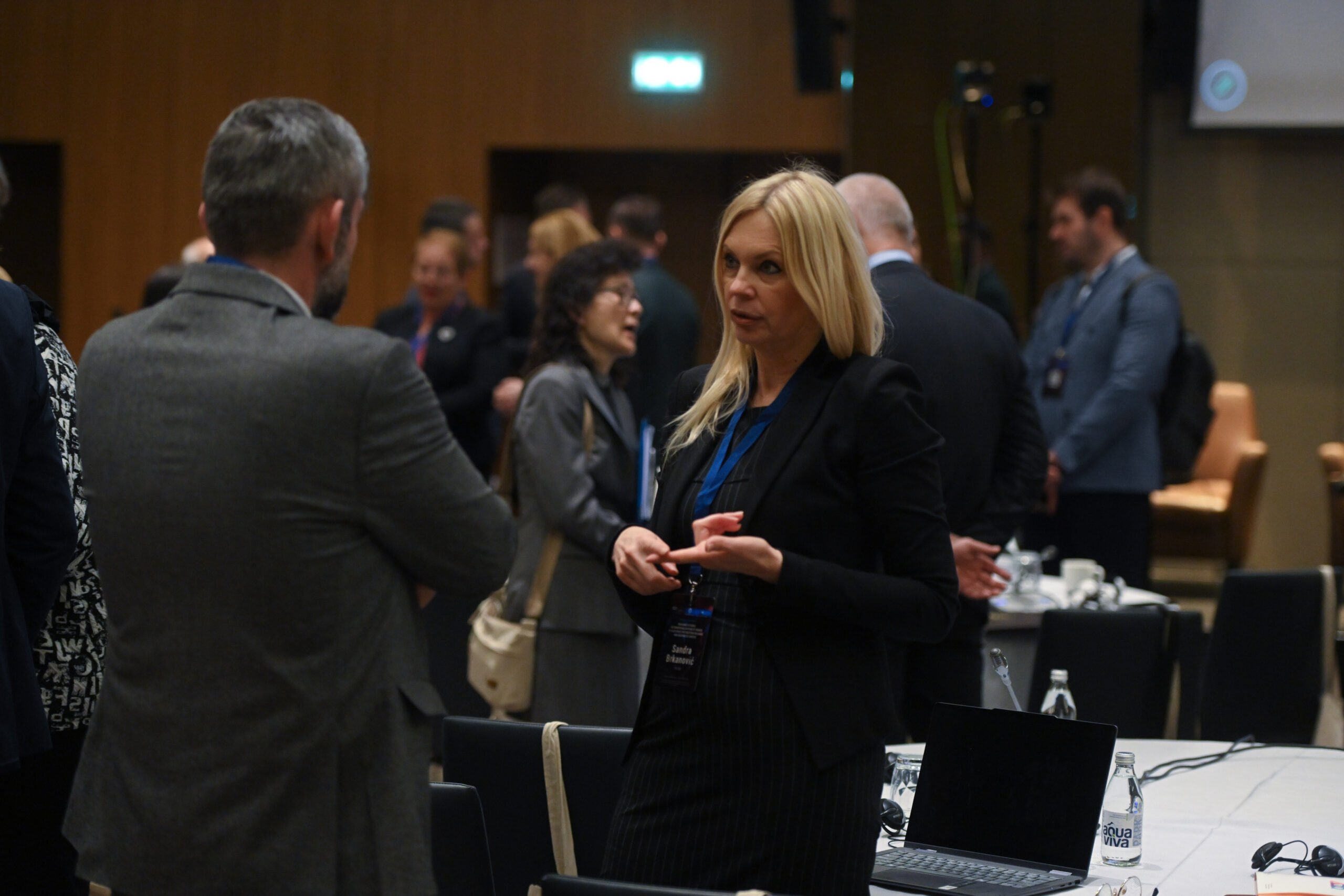
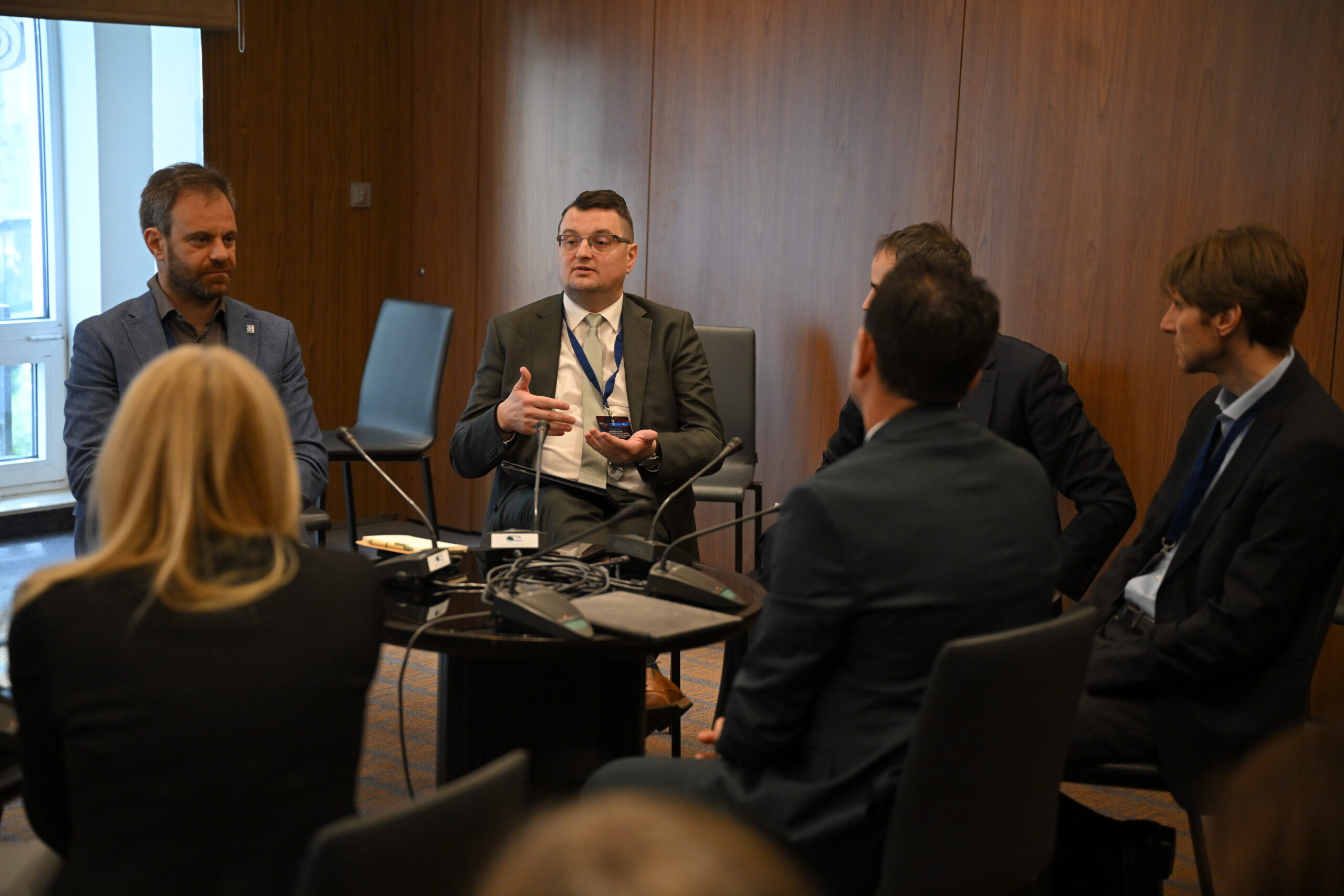
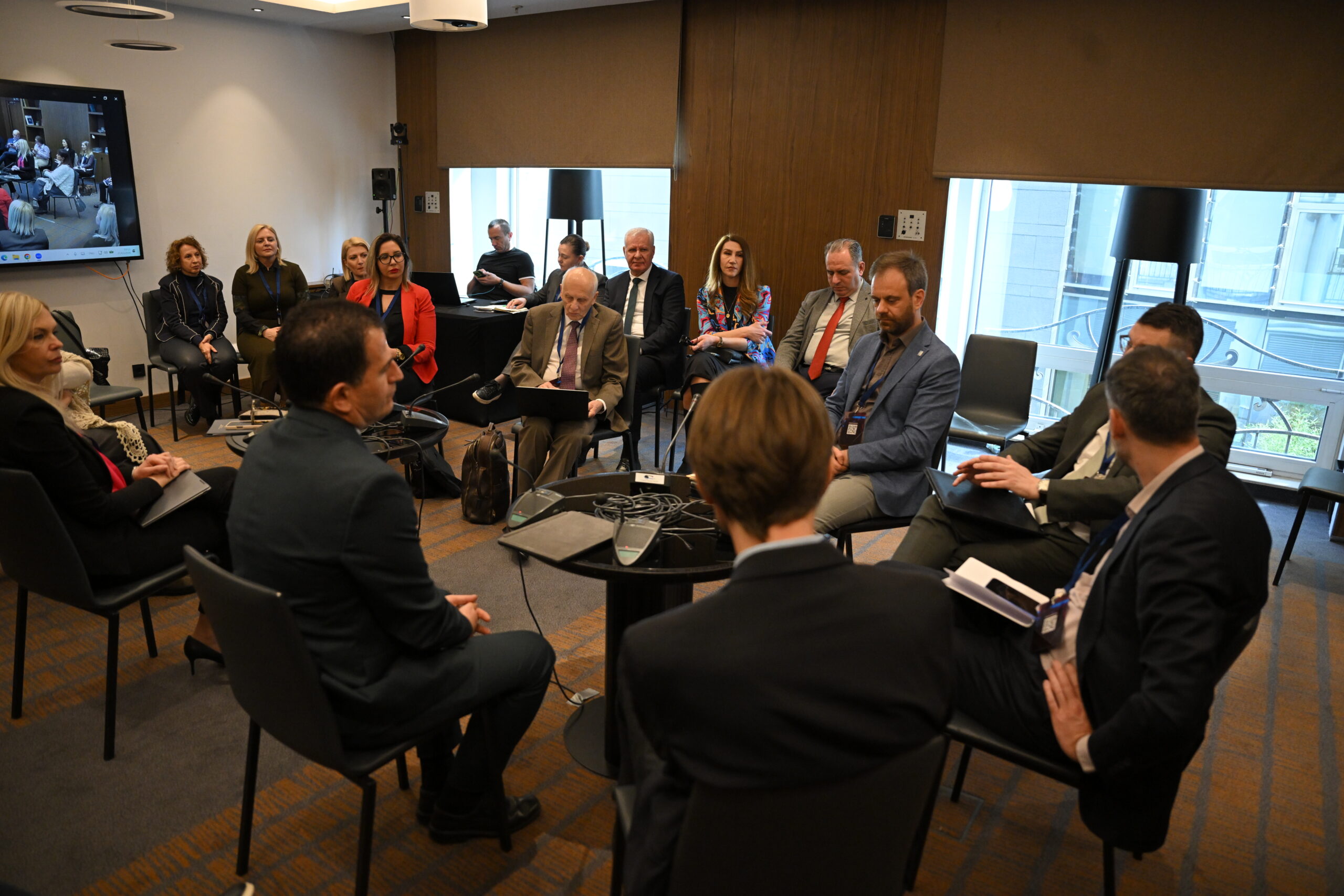
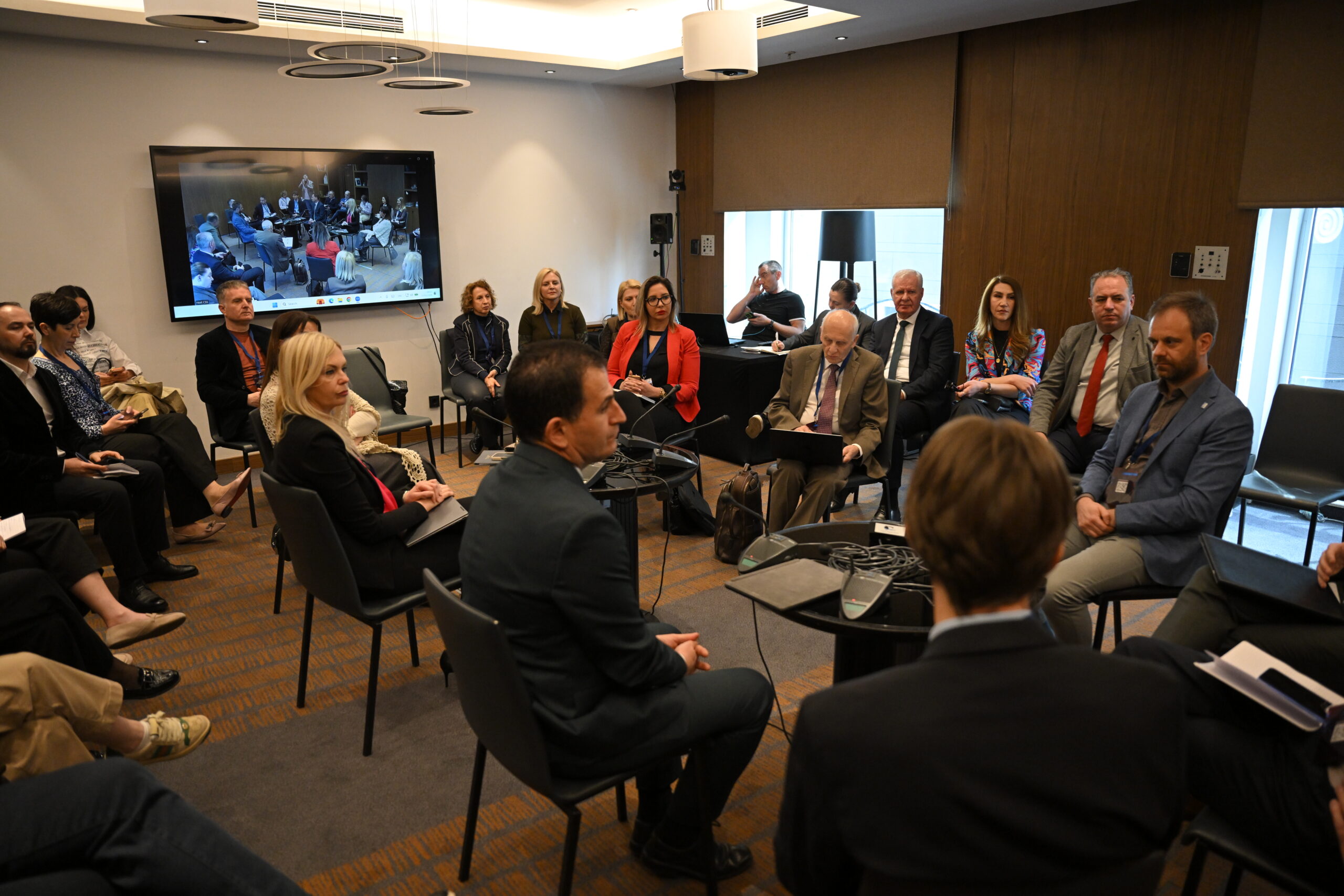
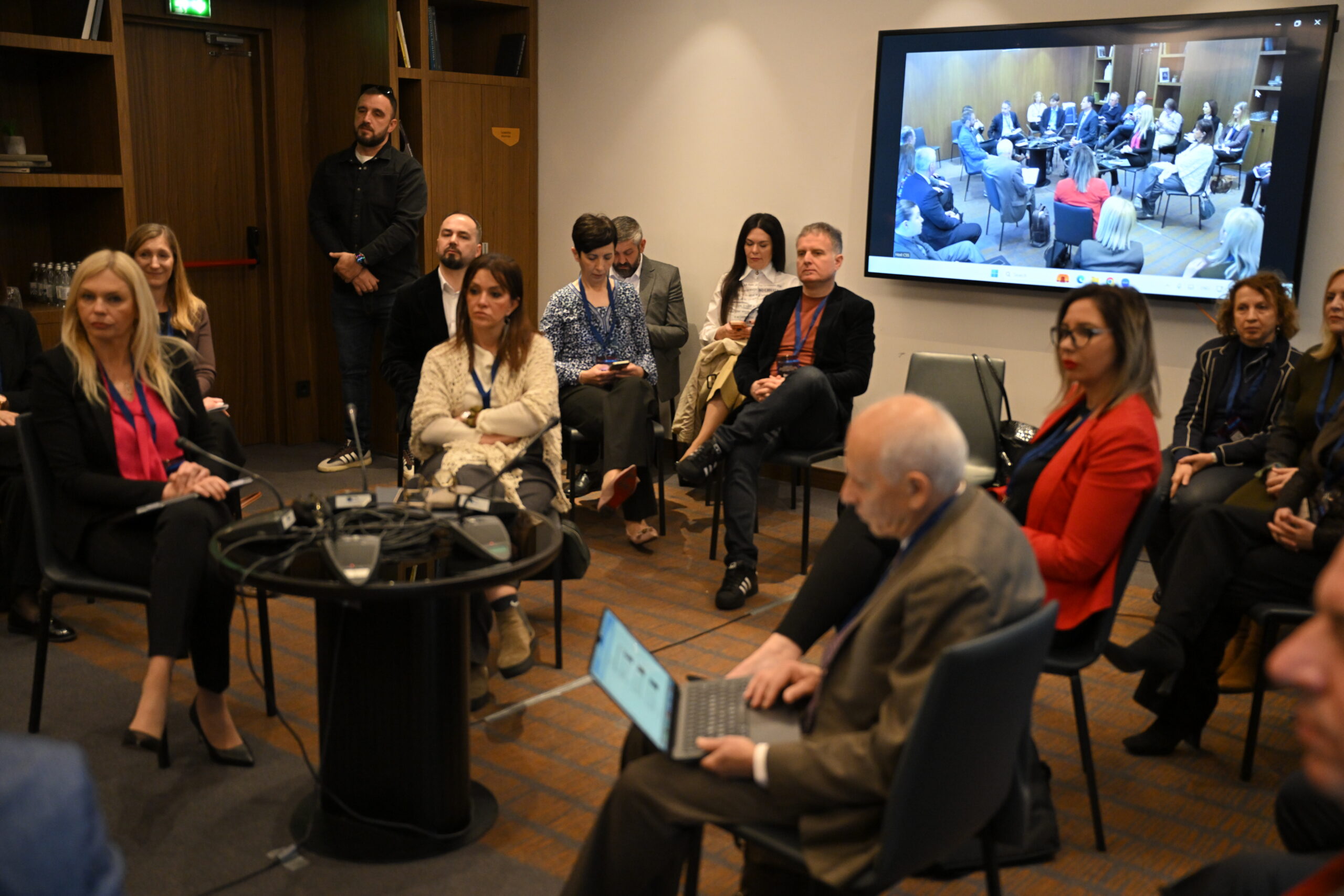
Sandra Brkanović, Director of the ERI SEE Secretariat, participated as a panelist in Lab A: “Strengthening Governance and Quality Systems for Regional Cooperation”. In her contribution, she focused on quality in higher education, including quality assurance and the development of a quality culture, in the context of regional cooperation and alignment with European standards.
She presented ERI SEE’s activities aimed at strengthening quality assurance agencies across the region, particularly in supporting their alignment with the European Standards and Guidelines (ESG) and progress towards ENQA membership and EQAR registration. This included practical peer-learning activities, such as joint work on self-evaluation processes and system improvements. As a concrete result, a memorandum of cooperation was signed between the quality assurance agencies of North Macedonia and Croatia, further strengthening regional cooperation and trust.
She concluded by referring to ERI SEE’s experience in vocational education and training (VET), where regional cooperation and alignment of common standards have already been successfully implemented and recognised as good practice, highlighting that such an approach could also be applied in higher education, particularly given that the need for developing joint study programmes across the region was emphasised during the conference.
The conference reaffirmed the importance of a regional approach to higher education development, highlighting that cooperation across countries, institutions, and sectors enables the creation of more relevant, inclusive, and resilient education systems. It will also serve as a basis for the preparation of a regional policy note and roadmap on the internationalisation of higher education in the Western Balkans and Southeast Europe.
